
Last updated November 25, 2026
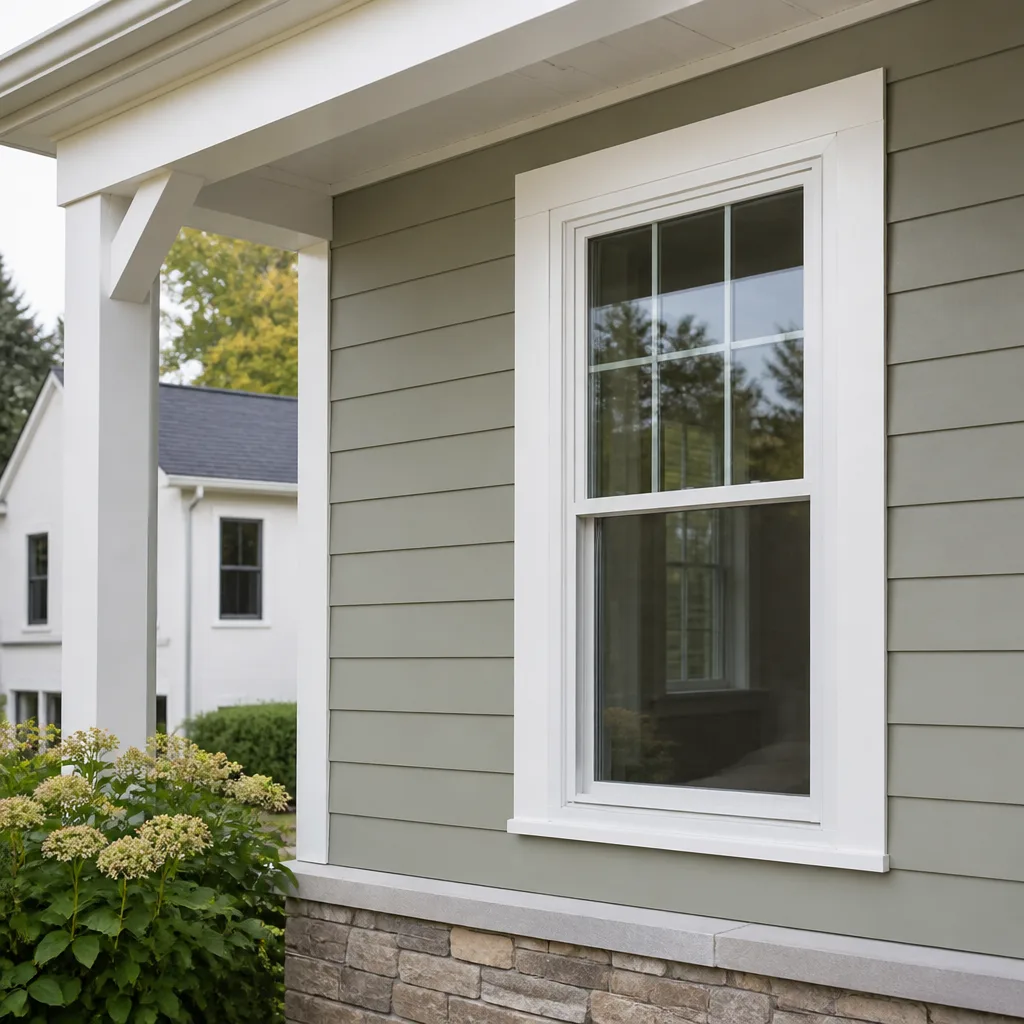 Single hung
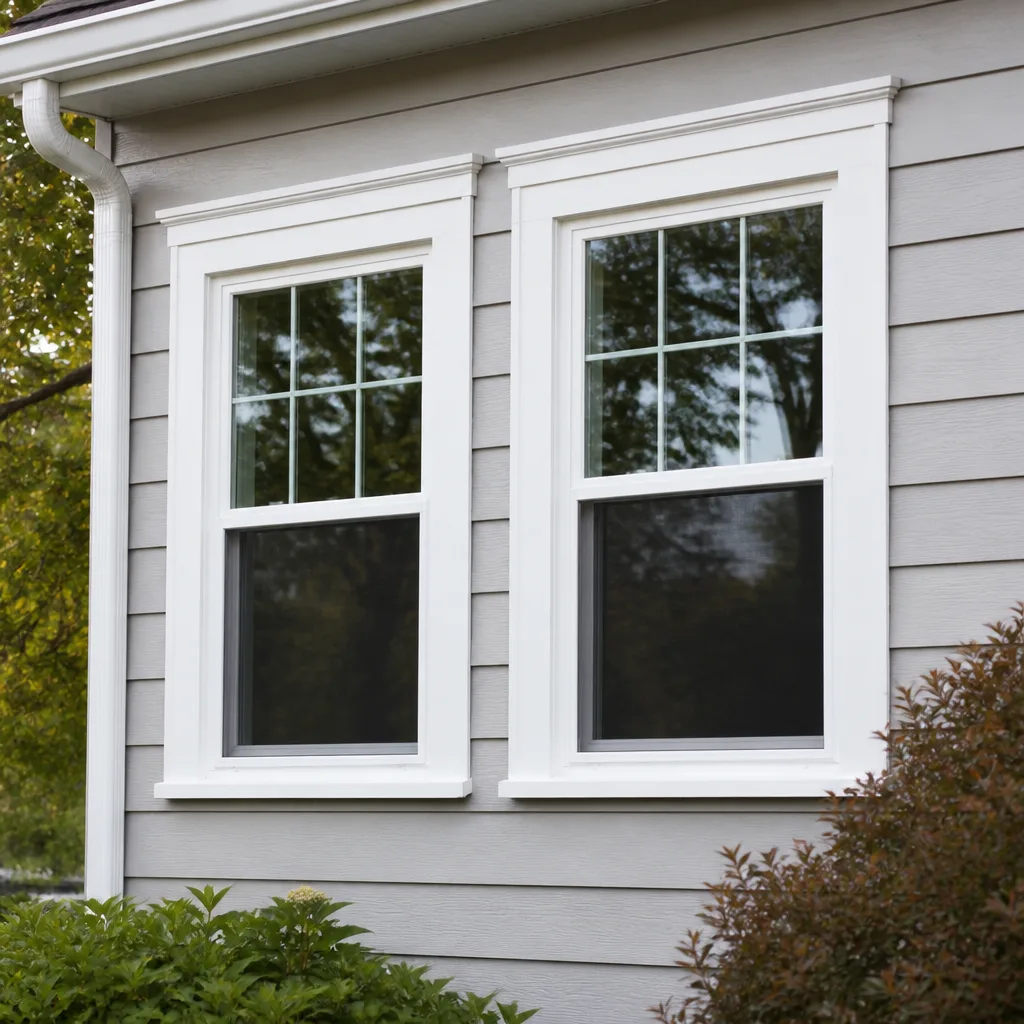 Double hung
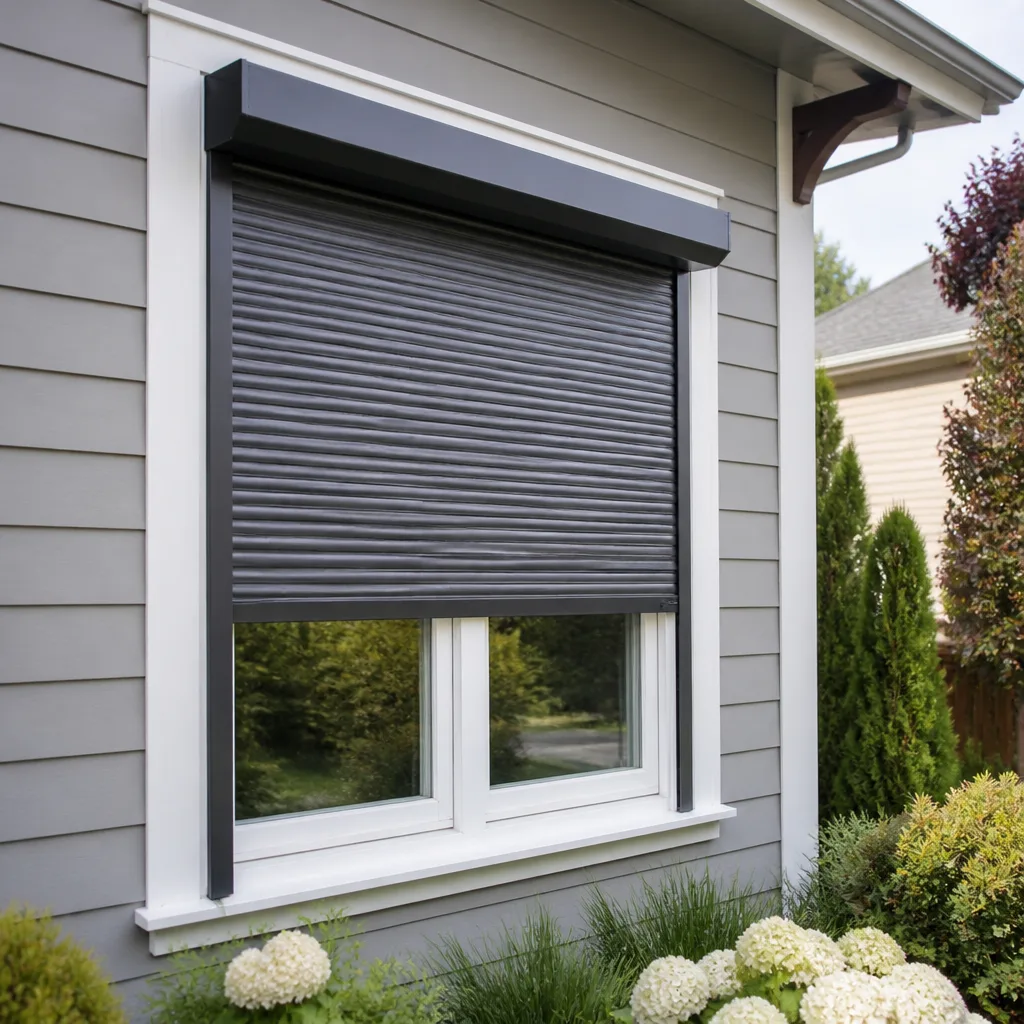 Horizontal roller
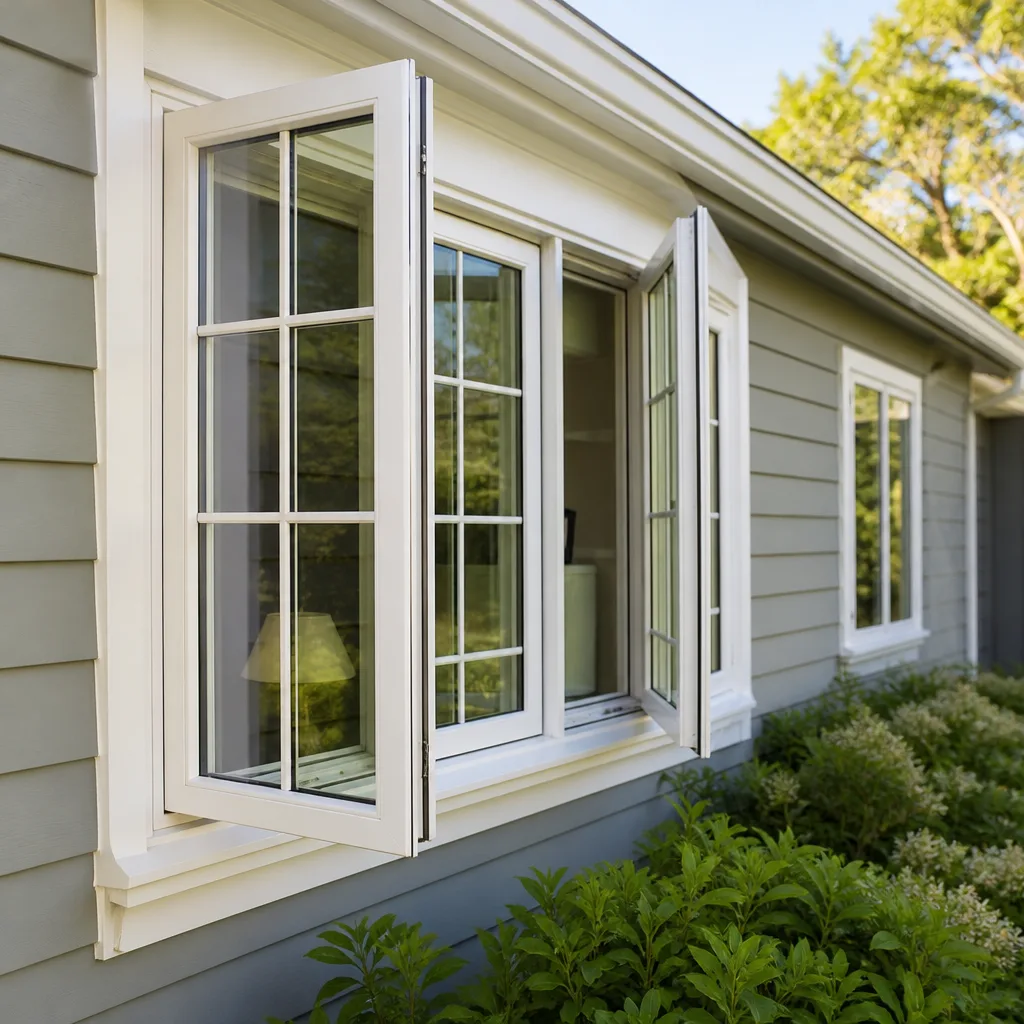 Casement
 Bay & bow
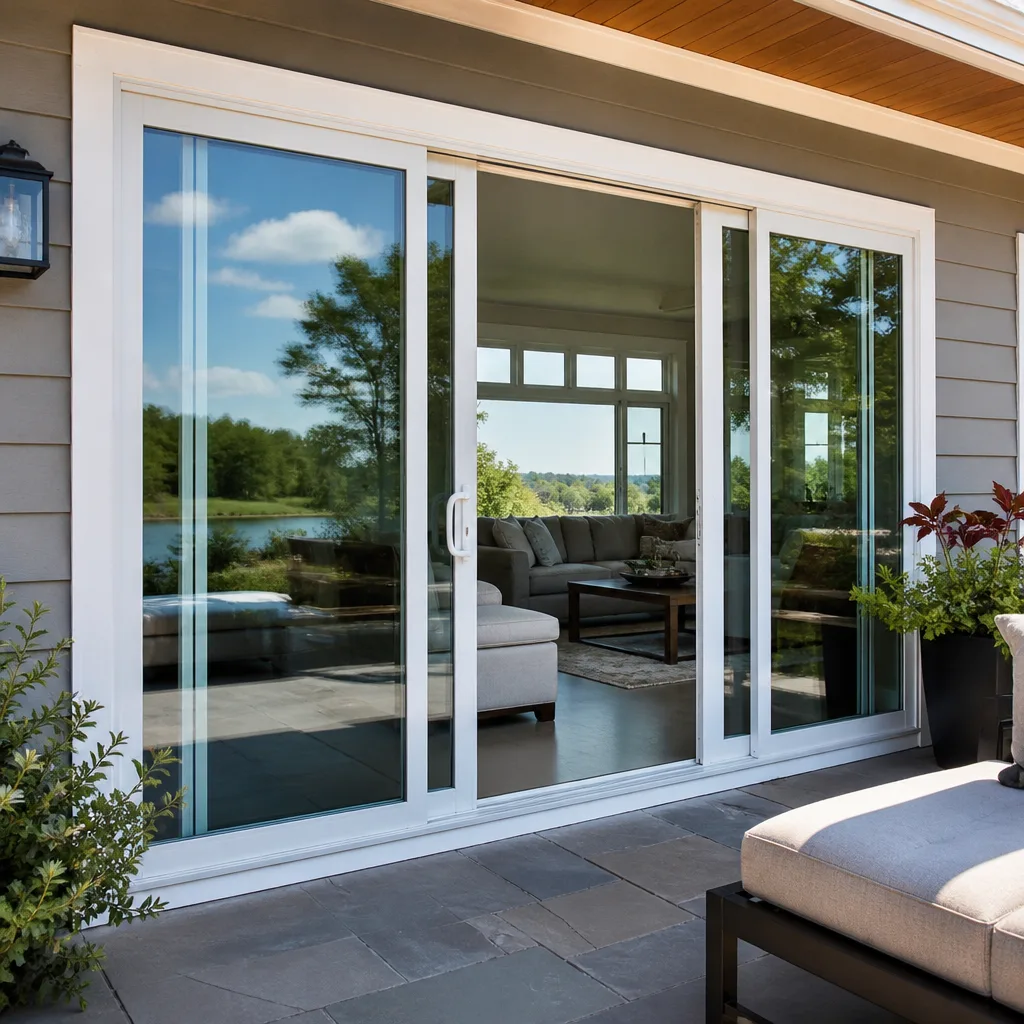 Sliding glass doors
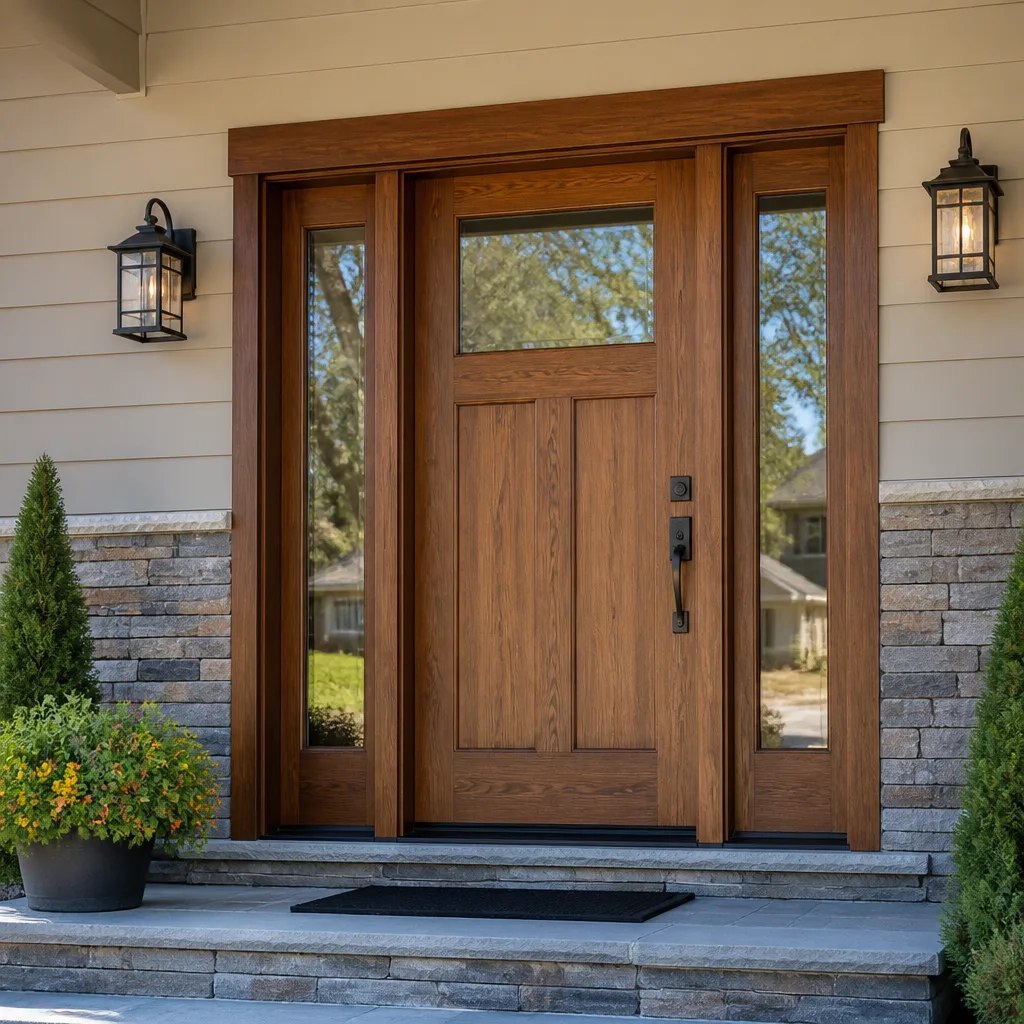 Entry doors
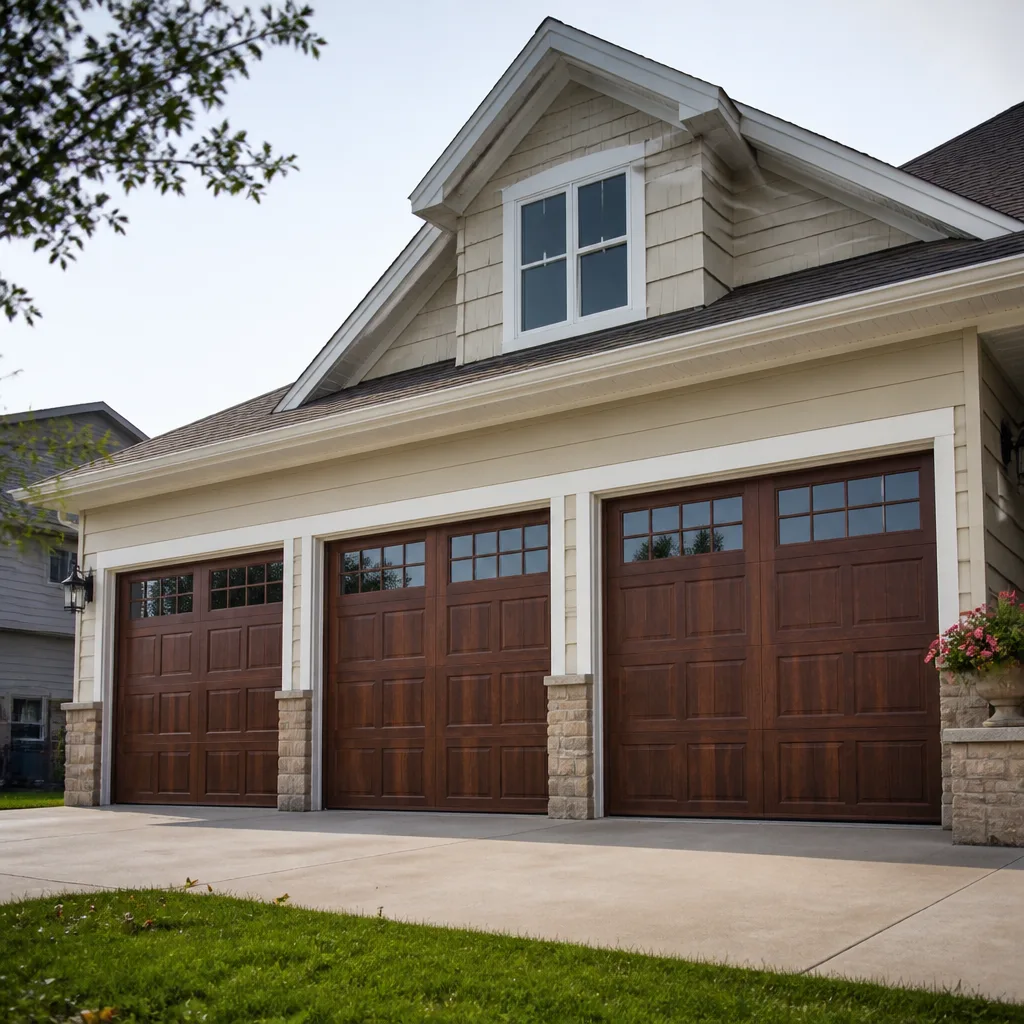 Impact garage doors
 PGT
 CGI
Free in-home measure and quote - PGT, CGI and CWS impact lines compared on your actual openings, style by style
Get your free estimateWindow Replacement Troubleshooting in Elk Grove: Common Problems and How to Fix Them
Most of the window complaints we hear in Elk Grove are not product failures. They are installation failures, or maintenance items that look like failures until you know what you’re looking at. A foggy pane, a draft that shows up every July, a sash that suddenly grinds when you lift it – each one points to a different root cause, and only some of them require new windows. The trick is diagnosing before you spend. This guide walks you through the problems we see most often in Elk Grove homes, how to tell a real failure from a fixable issue, and when replacement is genuinely the right call.
Quick Answer
Window problems in Elk Grove usually trace back to one of four causes: a failed sealed glass unit (fog between the panes), an air or water leak at the rough opening from poor installation, hardware that needs servicing, or the wrong product for this climate. A failed glass unit needs a new window assembly, while a draft or leak at the frame edges usually points to installation and flashing rather than the product itself. Getting the diagnosis right is what keeps a small fix from turning into a full replacement you didn’t need.
Styles & brands we work with
- Single hung
- Double hung
- Horizontal roller
- Casement
- Bay & bow
- Sliding glass doors
- Entry doors
- Impact garage doors
- PGT
- CGI
Table of Contents
- Foggy Glass or Condensation? How to Tell the Difference
- What to Inspect After Your First Full Elk Grove Summer
- Why Stucco Exteriors Make Flashing Harder
- Sticking Windows: Hardware, Sash, or Frame?
- Warranty Claim vs Maintenance Issue
- How to Interview an Installer Before You Commit
- Matching the Product to the Problem
- Documenting Problems Before You Call
Foggy Glass or Condensation? How to Tell the Difference
Fog between the panes and condensation on the room-side surface look almost identical from a few feet away. They have completely different causes and completely different fixes. One is a window failure; the other is usually a humidity problem inside your home.
Here is the diagnostic test. Run your finger across the glass. If the moisture wipes away on the room side, it’s condensation forming on the interior surface. If the fog sits between the two panes and never wipes off from inside or out, the seal on the insulated glass unit has failed and moisture has worked its way into the sealed cavity.
Sealed unit failures happen when the perimeter seal that holds the two panes apart and keeps the gas fill in place breaks down. Once that barrier is gone, air and moisture enter the gap, and you get that milky or cloudy look that only gets worse over time. No amount of cleaning will clear it. The fix is a new window, not a polishing trick.
Interior condensation is a different animal entirely. It shows up when indoor humidity is high and the glass surface is cold enough to reach the dew point. In an Elk Grove summer, this shows up most often in kitchens, bathrooms, and laundry areas where moisture isn’t vented well. Often the fog disappears by afternoon when the room warms up. Running a bath fan or cracking a window briefly can clear it. If it happens across every window in the house on mild days, the answer is a humidity or ventilation correction, not a new set of windows.
When you’re weighing this, keep in mind that the products we supply from CWS and ES Windows use sealed units with specific warranties on the glass itself – which is exactly why it matters to know whether the problem is between the panes or on the surface. A legitimate glass-seal failure is covered; indoor humidity is not. If you can’t tell which you have, hold a flashlight against the glass at an angle. Fog that stays put between the panes is a failed unit.
What to Inspect After Your First Full Elk Grove Summer
Summer in Elk Grove is the hardest test any window will face. Weeks of dry heat, then the cooling swing that comes with the delta breeze, then the next heat wave. That cycle stresses seals, hardware, and caulking more than most homeowners realize. The first full summer after any replacement is the right time to walk your home and check specific points.
Run through this list once the season breaks:
- Check the interior caulk line where the trim meets the drywall or plaster. Any crack or gap in that line is a sign the frame is shifting or the installer under-sealed it. Re-caulk only after confirming the gap isn’t growing.
- Inspect the exterior perimeter where the window meets stucco or siding. Hairline cracks are common; gaps wider than a credit card are not. Water intrusion almost always starts here.
- Test every operating sash through a full open-close cycle. Some tightening is normal; grinding, dragging, or a sash that won’t fully seat is not.
- Look at the top and bottom of each frame for water staining or dark streaks. These are the earliest visible signs that flashing has failed.
- Check screens and tracks for dust accumulation, which is heavy in the summer breeze. Buildup in the weep holes at the base of the frame can trap water and lead to premature corrosion.
- Feel for drafts on the coolest evening you get in early fall. Cool touch is normal; actual airflow is not.
Document anything that looks off with photos taken at the same spot and angle. This is the exact evidence an installer or manufacturer will want. If your inspection turns up real problems and you’re ready to price a fix, our window replacement page walks through the process. A few of these checks turn up normal wear, and a few turn up actual installation issues. Knowing which is which saves you from agreeing to a full replacement you didn’t need.
Why Stucco Exteriors Make Flashing Harder
Most Elk Grove tract homes built in the 1990s and 2000s wear stucco. That’s a durable exterior – until you cut a hole in it. Replacing a window in a stucco wall means the installer has to integrate the new window into a rigid, brittle skin that’s already been sealed once. Get the flashing wrong and you don’t find out until the first real rain.
The specific failure point is the pan flash and the head flash. A metal pan sits at the sill of the rough opening to route water outward, and the upper flashing laps over the top edge of the window frame. In stucco construction, the installer has to cut back the stucco, install a proper moisture barrier behind the new flashing, and then re-lath and re-stucco or use a trim that covers the cut cleanly. That takes skill and time. The shortcut is to press the new window into the opening, caulk the perimeter, and walk away. On the surface it looks clean. Under the stucco, there’s a gap that a dry-season inspection won’t reveal.
Replacement window installations in Elk Grove have to account for the way stucco handles thermal movement. Stucco doesn’t flex much, so any window frame that moves slightly can open hairline cracks at the perimeter over time. The right installation uses backer rod and sealant with enough elasticity to accommodate the movement without breaking the bond. The wrong one uses a hard-setting sealant that cracks within two summers.
When we’re working with an installer on a stucco home, one of the questions we suggest homeowners ask is: How do you handle the flashing at the sill and head, and what happens at the stucco transition? A contractor who can answer that in plain terms is far more likely to get it right than one whose only answer is “we caulk it.” Elk Grove homes with stucco all around deserve that level of detail. It’s the difference between a window that stays tight for years and one that starts weeping through the wall.
Sticking Windows: Hardware, Sash, or Frame?
A window that suddenly takes two hands to open is trying to tell you something. The question is what. Here’s how to narrow it down before you call anyone:
- Look at the hardware first. On slider windows, the rollers at the bottom of the operating sash wear out over time. If the window grinds or hangs up in one specific spot, the roller or the track is usually the culprit. Cleaning the track and lubricating it can restore proper operation in many cases.
- Check the lift or lock mechanism. On casement windows, the crank arm assembly can bind. If the crank turns but the sash doesn’t move smoothly, the linkage needs servicing, not the sash.
- Then check the sash. Warping in the sash – often from prolonged heat exposure through a west-facing window – will cause it to bind against the frame regardless of hardware condition. A warped sash needs replacement, not adjustment.
- Check the frame last. If the whole window is binding, it may be a rough-opening or settling issue. This is the failure that most often gets blamed on the product when the real cause is the wall.
In our experience in Elk Grove, most sticking calls trace back to hardware and track buildup rather than a damaged sash. That’s an easy fix. The troublesome cases are the ones where a west-facing window has been in direct sun for years and the sash has warped – no amount of lubrication helps. If you’re replacing a sash because of heat deformation and want the new one to hold up better, the products we supply through ECO Window Systems are designed to handle sustained sun exposure and interior heat gain without deforming. That’s the kind of product match that matters here, given the summer design conditions.
One hard rule: don’t force a stuck window. Prying against the sash can crack the glass or crack the frame – and then you’re dealing with a full replacement instead of a hardware fix.
Warranty Claim vs Maintenance Issue
The difference between a warranty claim that gets honored and one that gets denied usually comes down to documentation and timing. Most warranty denials we see trace to one of three things: the problem was actually a maintenance issue dressed up as a failure, the homeowner called months after the problem started and the installer couldn’t determine cause, or there was no paper trail.
A legitimate warranty claim involves a product defect: a sealed unit that has failed within the warranty period, hardware that broke under normal operation, a frame that has cracked without any obvious outside force. Manufacturers will ask specific questions about the install date, the failure pattern, and whether the home has been maintained. Roof leaks, sprinkler spray, impact damage, and caulk failure at the perimeter are all classified as maintenance issues, not product defects.
Before you contact anyone about a problem, do this:
- Take dated photos of the issue from multiple angles. Include a shot that shows the whole window, not just the problem area.
- Note when you first noticed it and whether it has progressed. A fog that started as a small crescent at the corner and spread is a strong case for a failed seal.
- Record whether the window was installed properly. The original installation invoice, the manufacturer’s label on the frame, and the install date are the three documents you’ll be asked for first.
- Note anything that might have caused external damage. Hail is uncommon in the Elk Grove area, but trees, sprinklers, and the occasional neighbor’s errant lawnmower aren’t. Being upfront about this avoids the awkward discovery later.
- Hold off on temporary fixes until you’ve documented the problem. Caulk can mask the evidence of a real failure.
When you’ve documented properly and the failure clearly falls under warranty, we can help you work with the manufacturer through the window installation process and verify that the replacement goes in correctly. What we don’t do is put a new frame over a problem – if the root cause is an installation issue, we’d rather fix that than sell you product you don’t need.
How to Interview an Installer Before You Commit
The single highest-leverage decision in your window project is who’s doing the install. Product matters, but the wrong product installed well outperforms the right product installed poorly. Before you sign, ask the questions that separate a specialist from a generalist.
Here’s what to ask:
- “Walk me through how you handle flashing on stucco.” If the answer is vague or references caulk as the primary barrier, move on.
- “What’s the manufacturer’s warranty on the glass, and what voids it?” A specialist knows the warranty terms cold.
- “Who pulls the permit, and is the inspection on the schedule?” Window replacement in almost every California jurisdiction requires a permit for the change-out, and inspection is part of the contract. Any installer who skips it isn’t a professional.
- “What’s the lead time on the specific models you’re recommending?” A vendor who can rattle off realistic lead times for their brand lineup has done this before.
- “What happens if you find rot behind the frame during removal?” Good installers have a documented change-order process; bad ones find a surprise after the wall is open.
For a specialist that handles windows and doors only, your installer should be able to talk about the products they carry with some depth. Walk through our Elk Grove Window Replacement homepage to see the brand lineup we work with – PGT and CGI for impact-rated performance, CWS and ES Windows for energy efficiency, ECO Window Systems for the climate demands of this region, and Mr-Glass for solid entry-level options. An installer who knows the brand family is far more likely to recommend the right one for your home rather than whatever happens to be on hand.
Keep in mind our minimum project size: we take window and door replacement jobs of three openings or more. If you have a single window to address, we’ll refer you honestly rather than overcharge you to hit that threshold. For more on door projects, our door replacement page has the details.
Matching the Product to the Problem
Once you’ve diagnosed the problem, the next step is choosing the right product. In Elk Grove, that choice needs to account for sustained summer heat, direct sun on west-facing exposures, and the way the delta breeze cools the region overnight. Two windows that look identical in a showroom perform very differently under those conditions.
The most common product-mismatch calls we see:
- Replacing only the glass in a failed unit when the frame is past its service life. If the frame is 20+ years old and the seals have failed, the whole window is due. Patching one pane in a tired frame just delays the next failure.
- Choosing a low-end window for a high-exposure wall. A west-facing window with full afternoon sun needs a product rated for that heat load. Products from ECO Window Systems hold up under sustained heat gain; entry-level options don’t always.
- Prioritizing price over the correct opening size. Residential windows come in standard sizes, and if the installer is cutting into the frame to force-fit, you’re asking for leaks and drafts.
- Skipping impact-rated options when the home’s exposure warrants them. PGT and CGI products are engineered for high-wind performance. Homeowners near open land or in exposed positions benefit from that margin, and some insurers recognize it. If storm performance matters, that’s a different product tier than a standard-efficiency unit.
Eight brands, one installation team that knows them all. The portfolio exists for a reason: homes in Elk Grove aren’t all the same, so the right window depends on the wall, the exposure, and the budget. We specialize in windows and doors. That’s it. That’s everything, and that focus is what keeps the recommendations honest.
Documenting Problems Before You Call
Any conversation with an installer, a manufacturer, or an insurance company starts and ends with documentation. The homeowner who has clean photos, dated notes, and the original install paperwork gets a much better outcome than the one describing a problem from memory.
Here’s a documentation kit that takes fifteen minutes to assemble and saves days of back-and-forth:
- Photo set: one wide shot of the window from inside, one close-up of the problem area, one close-up of the exterior perimeter, and one of the manufacturer’s label on the frame.
- Written log: the date you noticed the issue, whether it’s constant or intermittent, and what the weather was doing. If the fog develops on cool mornings and clears by noon, that’s a critical fact about whether it’s a seal failure or condensation.
- Paperwork: the original installation contract, any warranty registration, and the manufacturer’s warranty card. If you don’t have these, call the installer first to request them.
- Neighbor context: if the same problem is showing up in multiple windows on the same wall, note which ones. A pattern is evidence of installation-related failure; a single independent unit is more likely a defect.
- Prior attempts: if you’ve already tried a temporary fix – a strip of weatherstripping, extra caulk – say so. Good installers appreciate the honesty, and it tells them what’s been ruled out.
This documentation doesn’t just help you get a fair answer; it also protects you from being upsold. If a contractor tries to push a full replacement on a problem that’s clearly a humidity issue or a hardware fix, having the evidence in hand lets you push back and ask questions. A specialist will appreciate the specificity.
Common Mistakes to Avoid
- Assuming fog between the panes means every window is bad. Failed glass units fail independently. If only one window in the room is foggy, the other windows are fine and don’t need to be replaced just because they were installed at the same time.
- Patching around a leak rather than diagnosing it. Smearing caulk over a perimeter gap looks neat but seals moisture inside the wall where it can do far more damage.
- Over-tightening or forcing stuck hardware. A sash that won’t budge is telling you the frame is binding or the sash is warped. Force usually produces a cracked edge or bent track that makes the situation worse.
- Buying on price alone without checking the exposure rating. A budget window installed on an unshaded west wall in Elk Grove will live a shorter life than a slightly higher-grade product installed the same day. The upgrade pays back in fewer replacement cycles.
- Hiring a generalist to cut into stucco. Stucco requires moisture barrier integration. A contractor who specializes in kitchens or fences and treats windows as a side job is more likely to produce a finished look that leaks within a few rainy seasons.
- Waiting months to report a warranty issue. Products fail and the clock matters. Document when you first noticed the problem, and start the claim process promptly.
- Skipping the permit. Window replacement requires a permit in nearly every California jurisdiction. A contractor who wants to skip it is not protecting your home or your investment.
See the difference
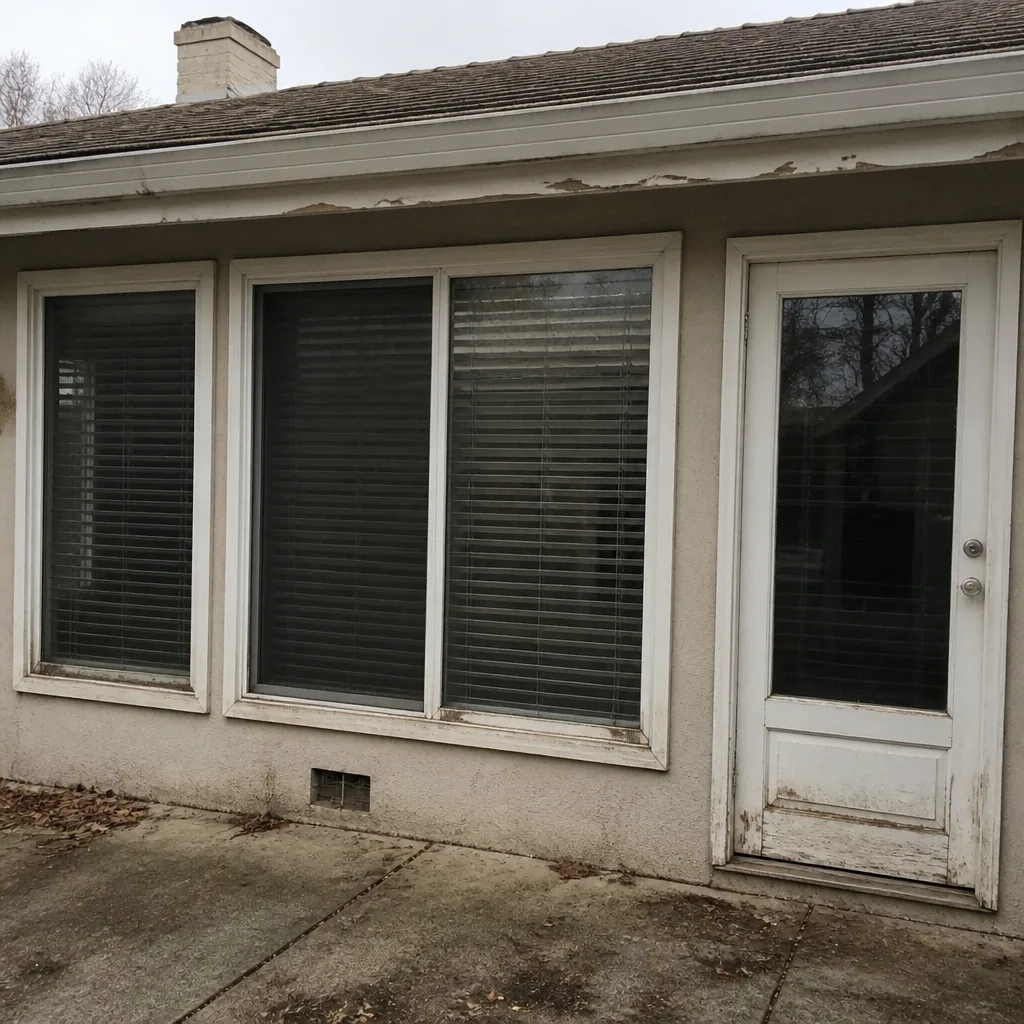 Before
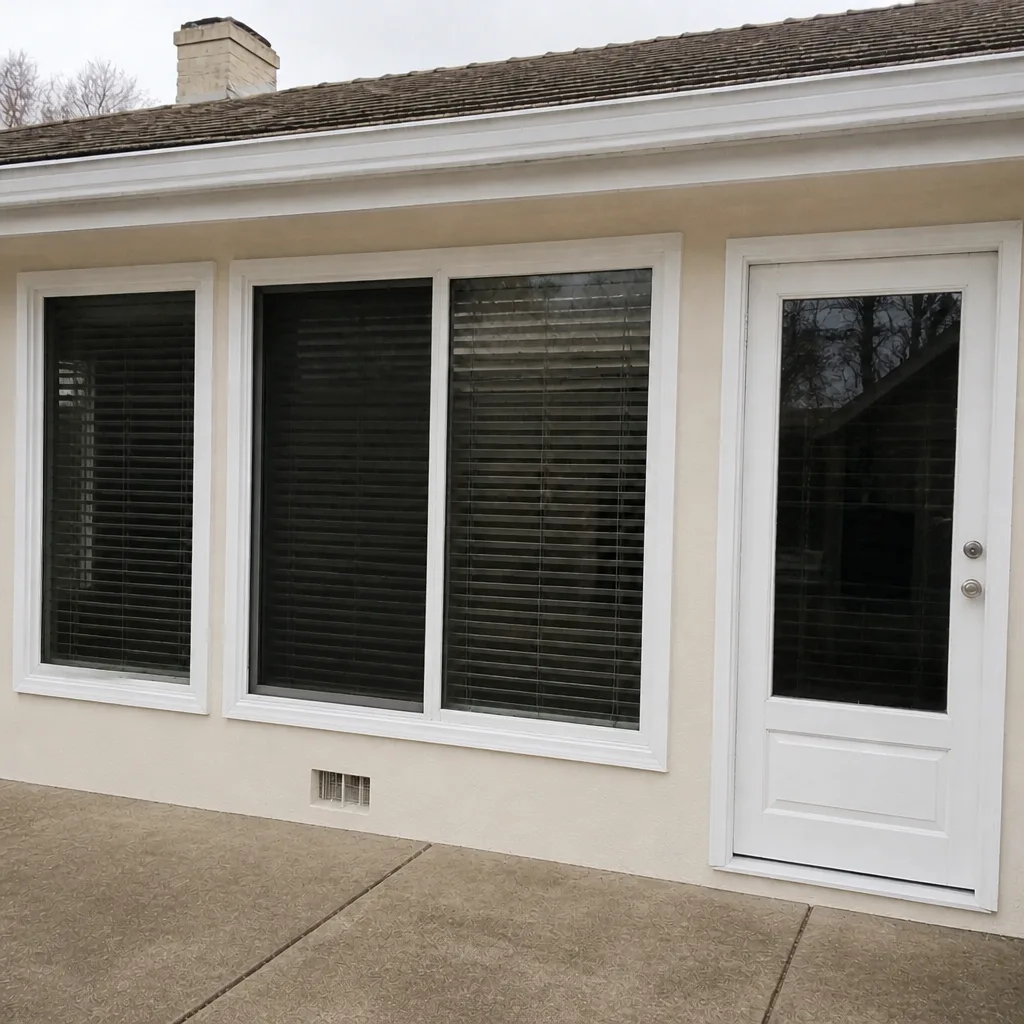 After
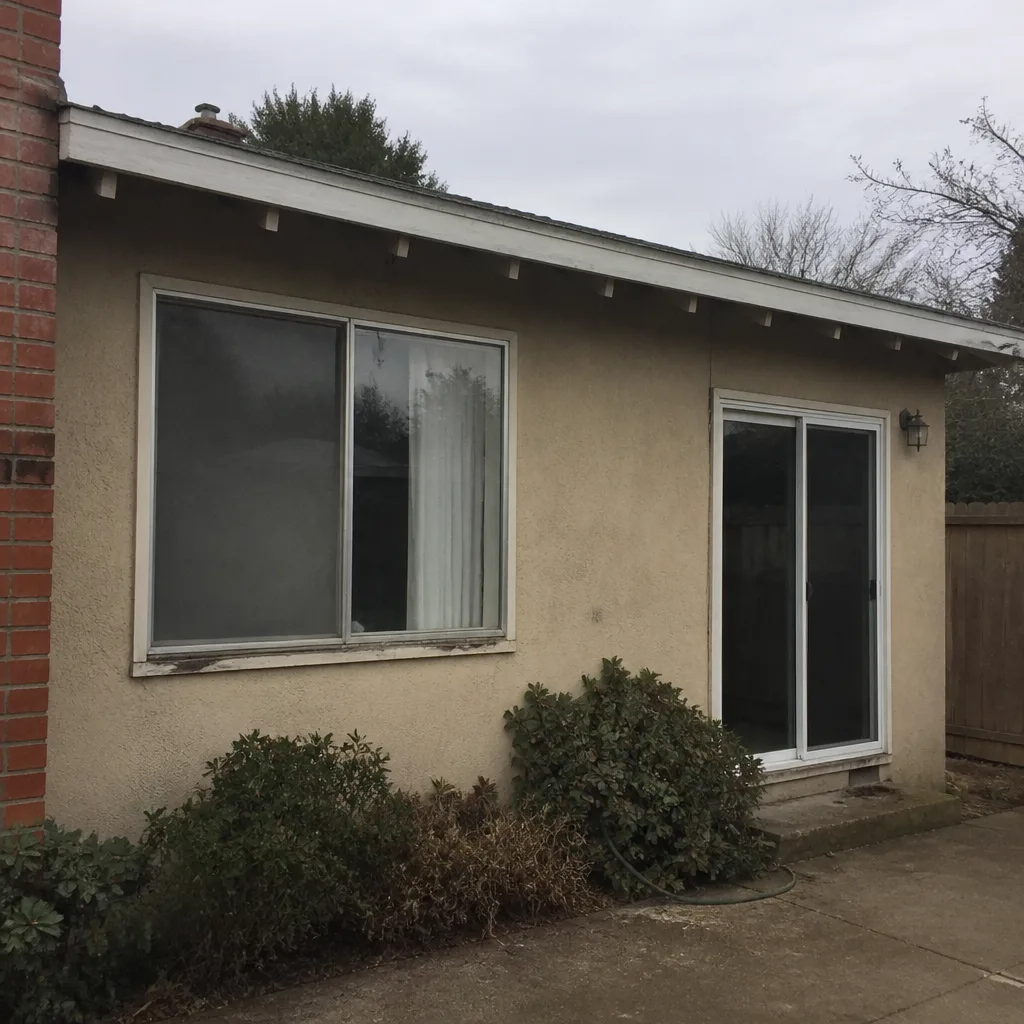 Before
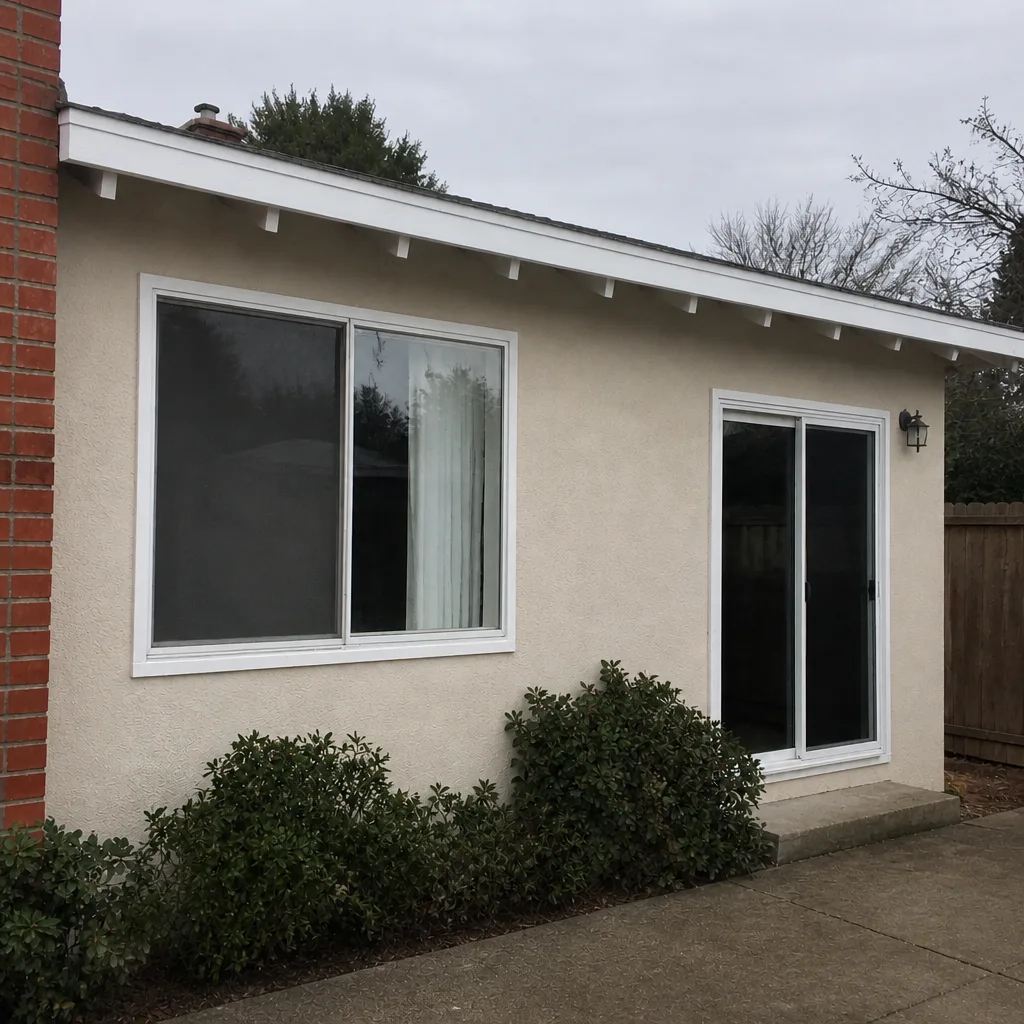 After
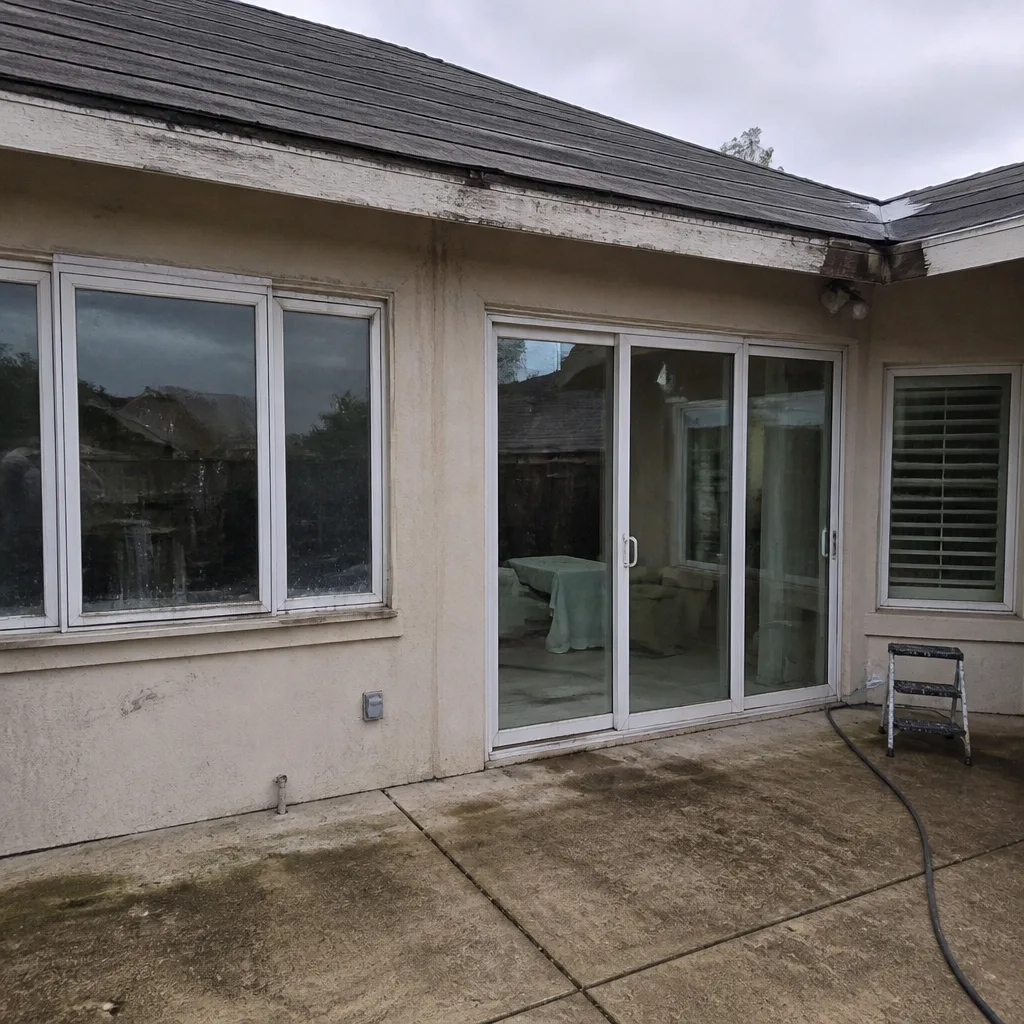 Before
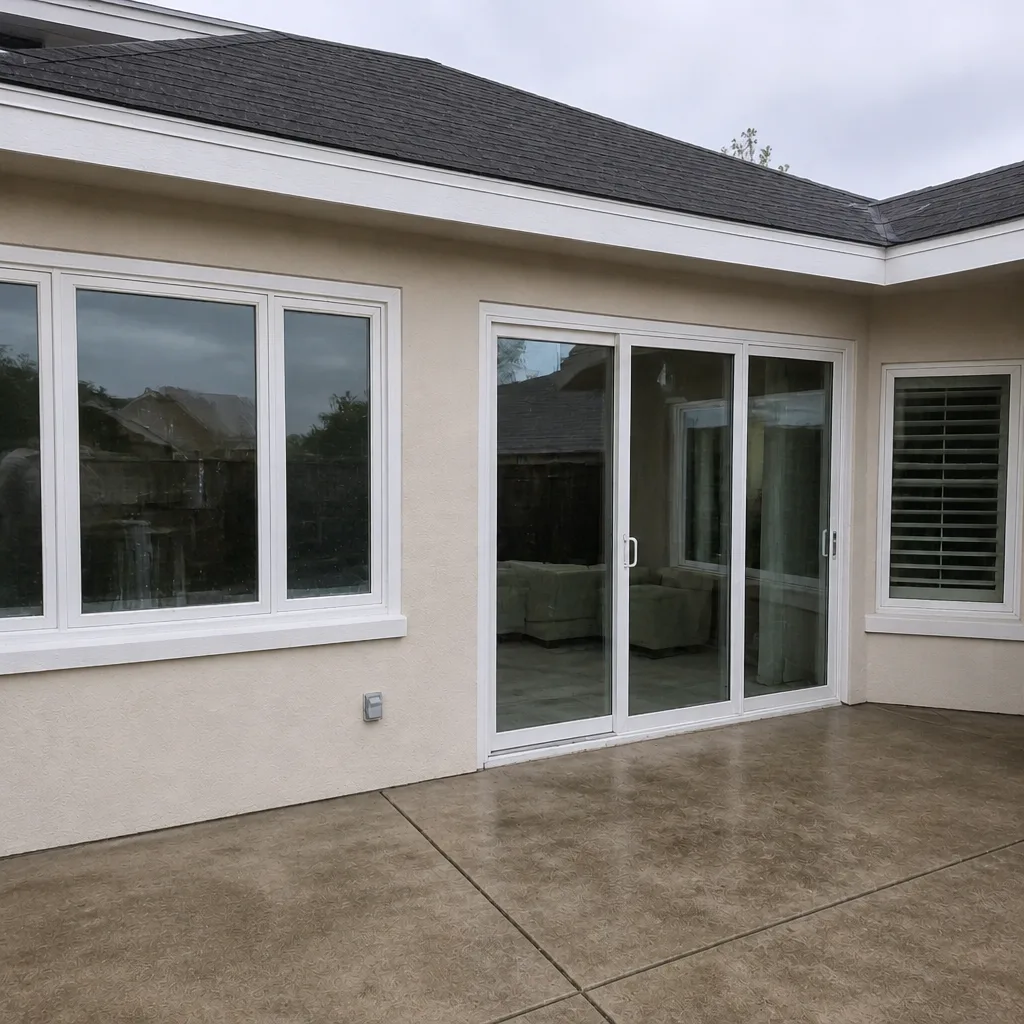 After
When to Call a Professional
Some problems you can diagnose on your own with a flashlight, a finger, and a notebook. Others need a trained eye. Call a professional when: the fog is clearly between the panes and spreading; the window is hard to close and you’ve already cleaned and lubricated the tracks; you can see water stains on the interior trim or the exterior stucco; the frame itself is cracked or warped; or you’re unsure whether the problem is a product failure or a humidity issue and want a straight answer before committing to a purchase.
We specialize in this work. Our technicians have up to 13 years of experience with the specific products and installations that fit Elk Grove homes. Elk Grove Window Replacement offers free estimates in Elk Grove – call (279) 333-8498 to schedule yours.
Frequently Asked Questions
Wipe the glass with your finger. If the moisture clears, it’s condensation on the room-side surface, usually caused by indoor humidity. If the fog stays locked between the two panes and never wipes off, the sealed glass unit has failed and the window needs replacement. Call (279) 333-8498 for an exact quote – estimates are free.
The most common cause of a draft after replacement is a gap at the rough opening – meaning installation – not a product failure. Check the interior caulk line first, then the exterior perimeter. If either has cracks or gaps, the installer needs to address the flashing and seal before you consider replacing the window itself. Call (279) 333-8498 for an assessment.
You don’t have to replace all of them at once. Failed glass units fail one at a time, and the corrected window doesn’t depend on the others. However, if the frames are all from the same era and the seals are failing one after another, a planned replacement may cost less in the long run than a series of one-off replacements. Call (279) 333-8498 to walk through both options.
A well-installed quality window typically lasts 20 to 30 years in this climate, though that depends on the product tier and whether it faces direct sun. West-facing windows in Elk Grove take more heat than north-facing ones, and the installation quality is the strongest predictor of lifespan. Call (279) 333-8498 for product recommendations tailored to each exposure.
Yes. Window replacement generally requires a permit in California jurisdictions, and inspection is part of the job. Ask your contractor to confirm the permit and inspection schedule in writing. Call (279) 333-8498 if you want us to walk through the process with you.
Product-defect warranties cover sealed unit failures and hardware failures within the warranty period. They typically do not cover damage caused by poor installation, roof leaks, sprinkler spray, impact, or failed caulk at the perimeter. Document the problem with dated photos before calling anyone. Call (279) 333-8498 if you’re unsure which side of the warranty line your issue falls on.
The Bottom Line
Most window problems in Elk Grove aren’t what they first appear to be. Foggy glass is usually a failed seal, but it can be indoor humidity. Drafts after replacement usually point to installation, not product. And sticking sashes are often hardware issues before they’re frame issues. Getting the diagnosis right is what keeps a small fix from turning into a five-figure replacement. Documentation, careful inspection after the summer, and asking an installer the right questions before signing are the three habits that separate a good outcome from an expensive one. Our technicians have up to 13 years of experience spotting the difference, and we’re happy to help you sort symptoms from root causes.
Call Elk Grove Window Replacement at (279) 333-8498 for a free estimate. We’ll walk through your window problems with you, diagnose the cause honestly, and recommend the right product from the eight brands we carry – only if replacement is actually what your home needs.
Written by the team at Elk Grove Window Replacement.