
Last updated November 25, 2026
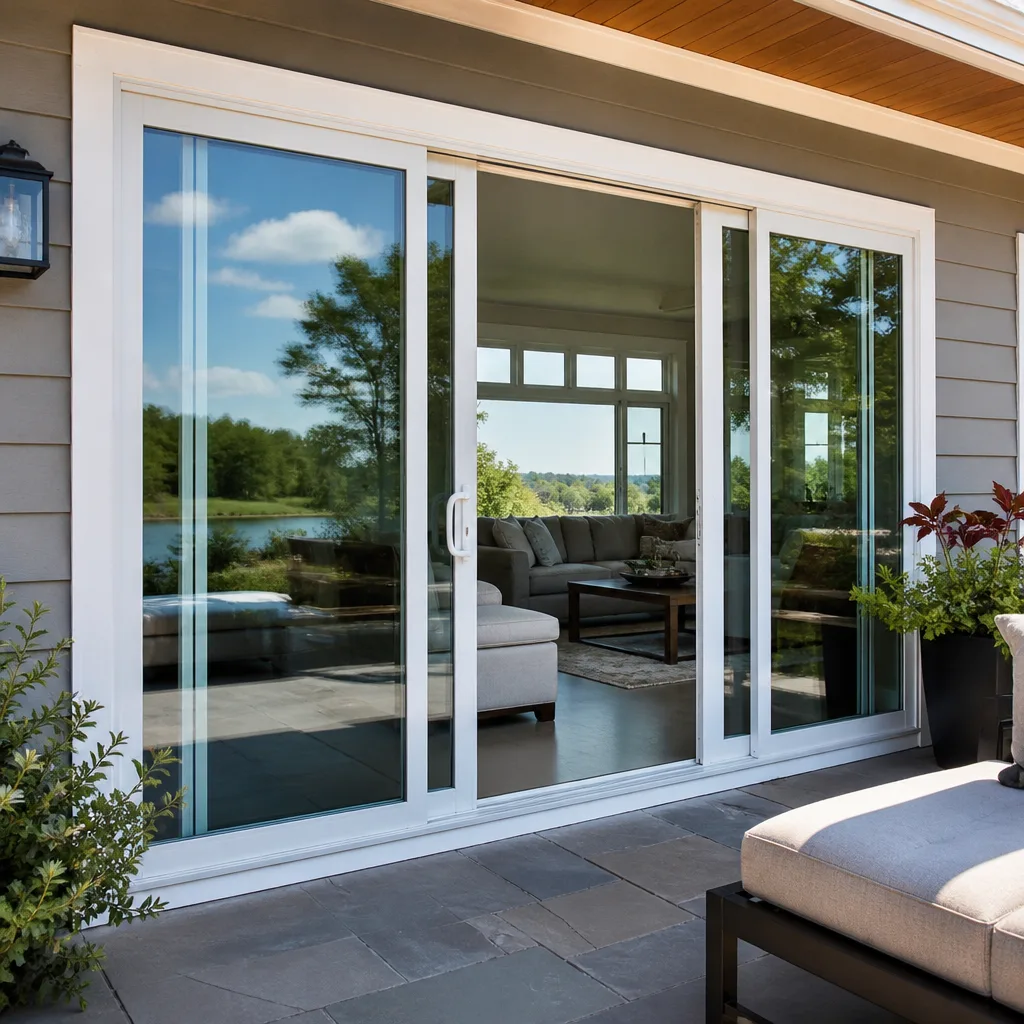 Sliding glass doors
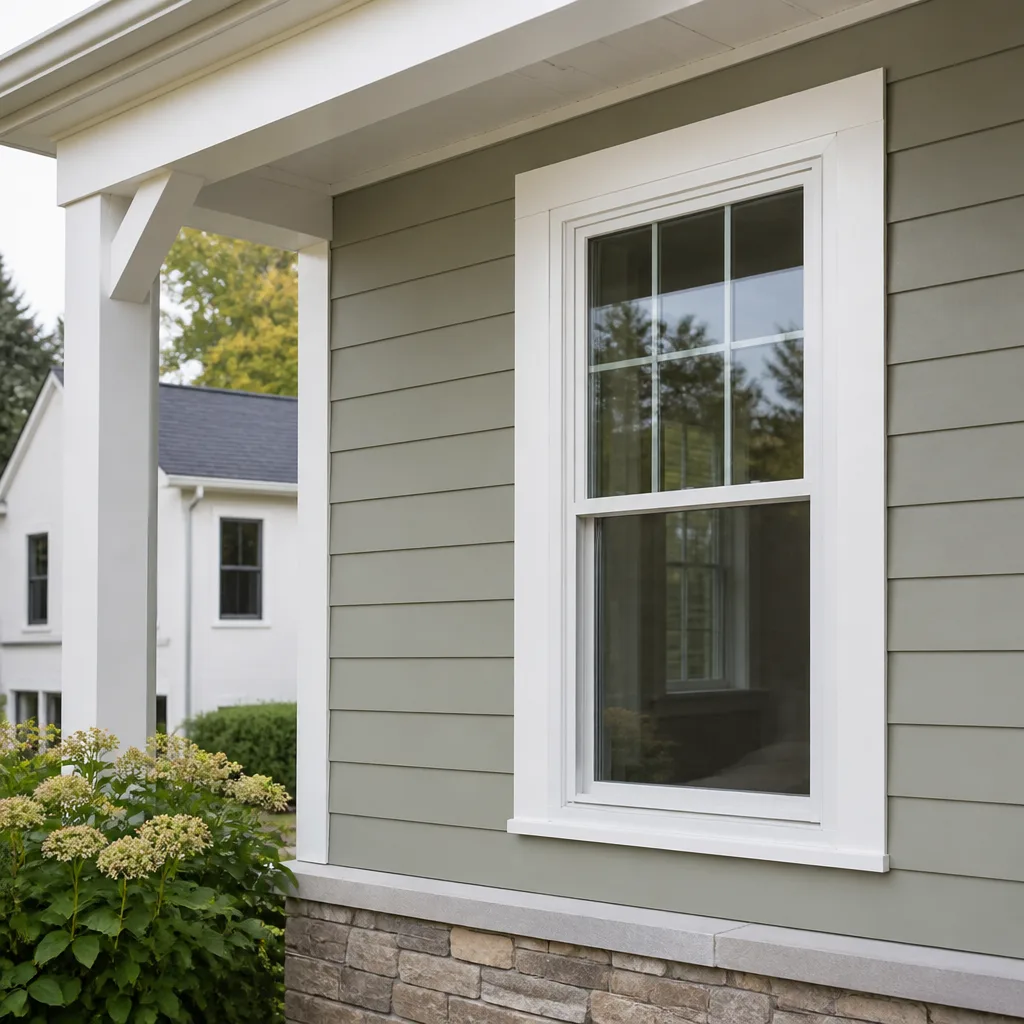 Single hung
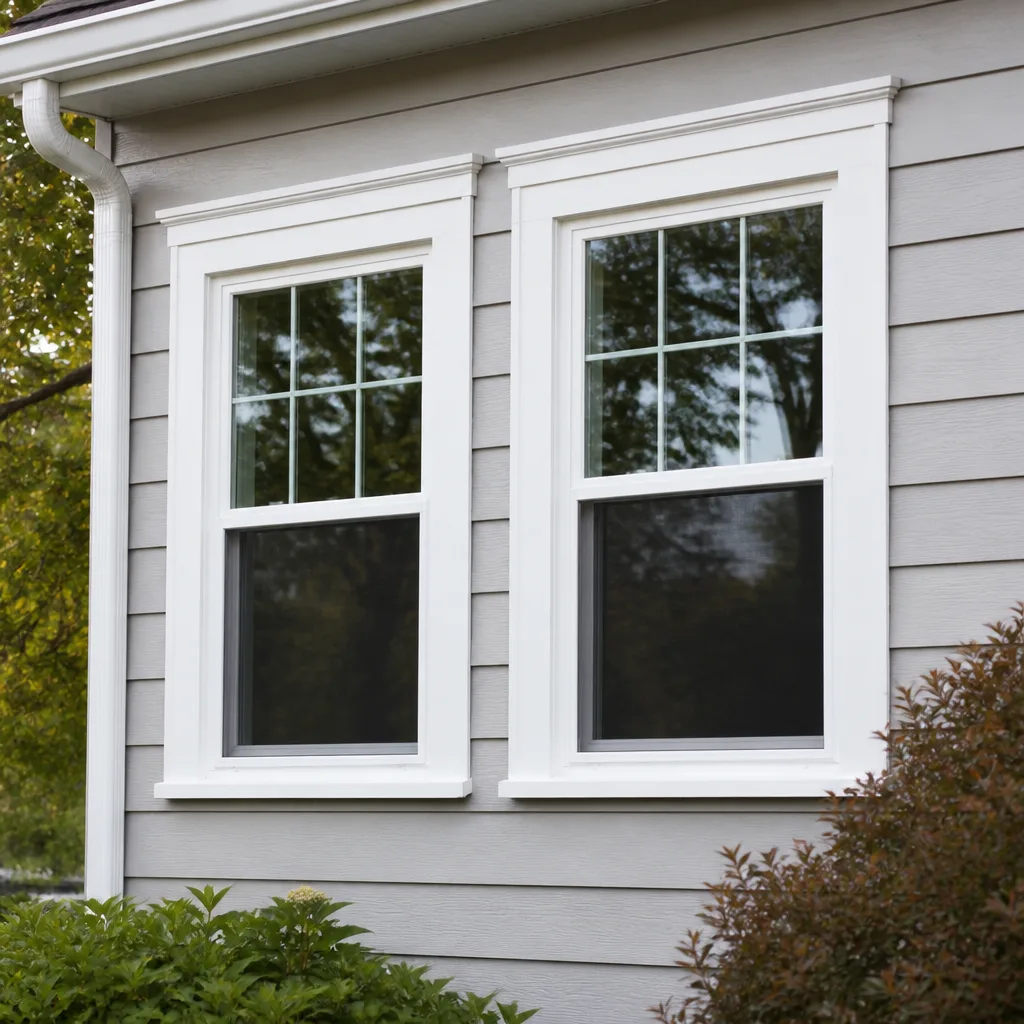 Double hung
 Horizontal roller
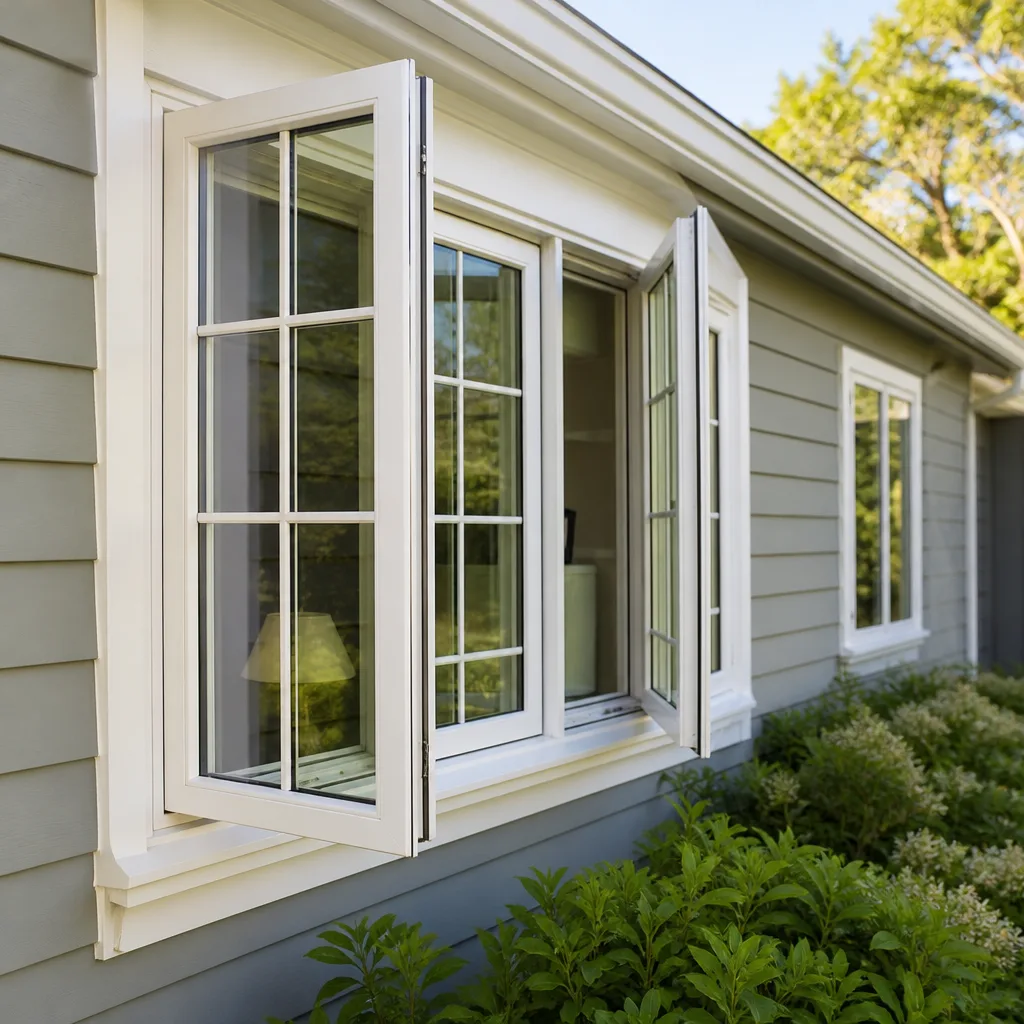 Casement
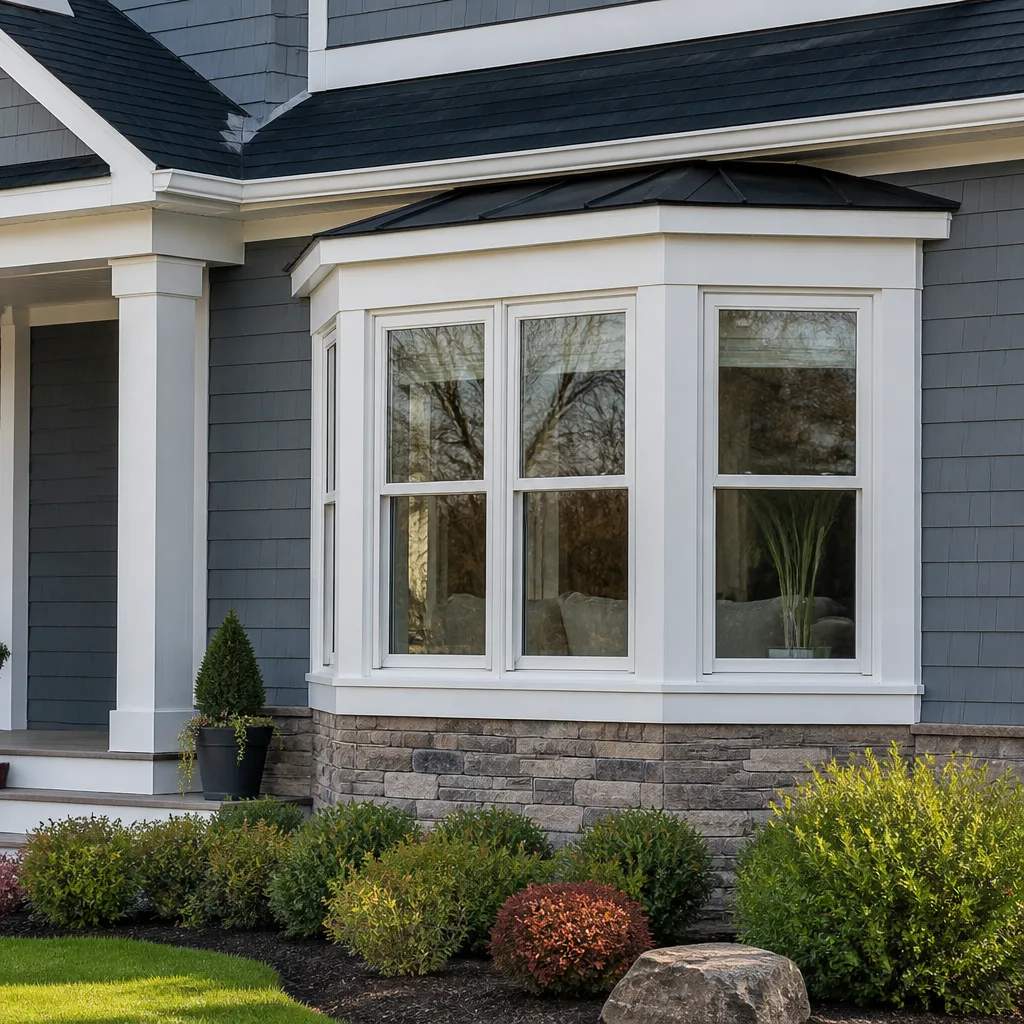 Bay & bow
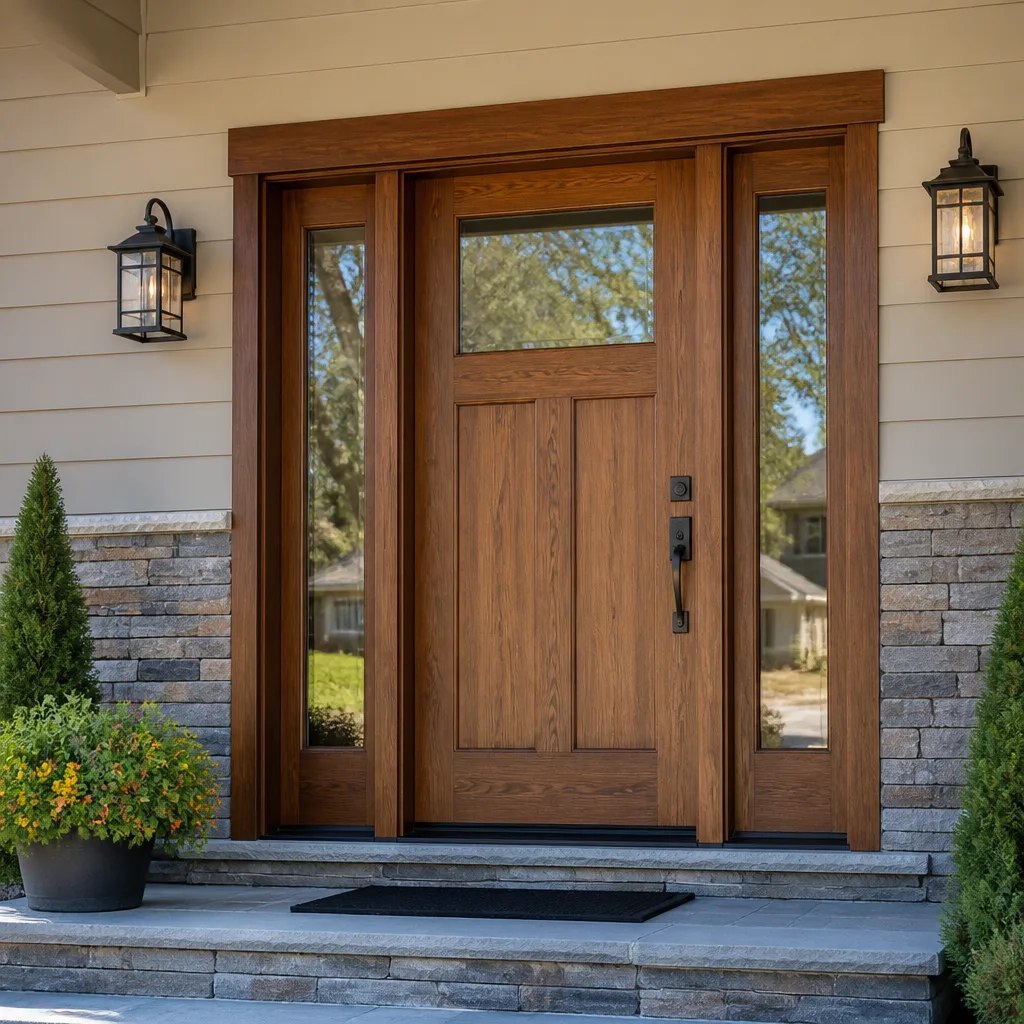 Entry doors
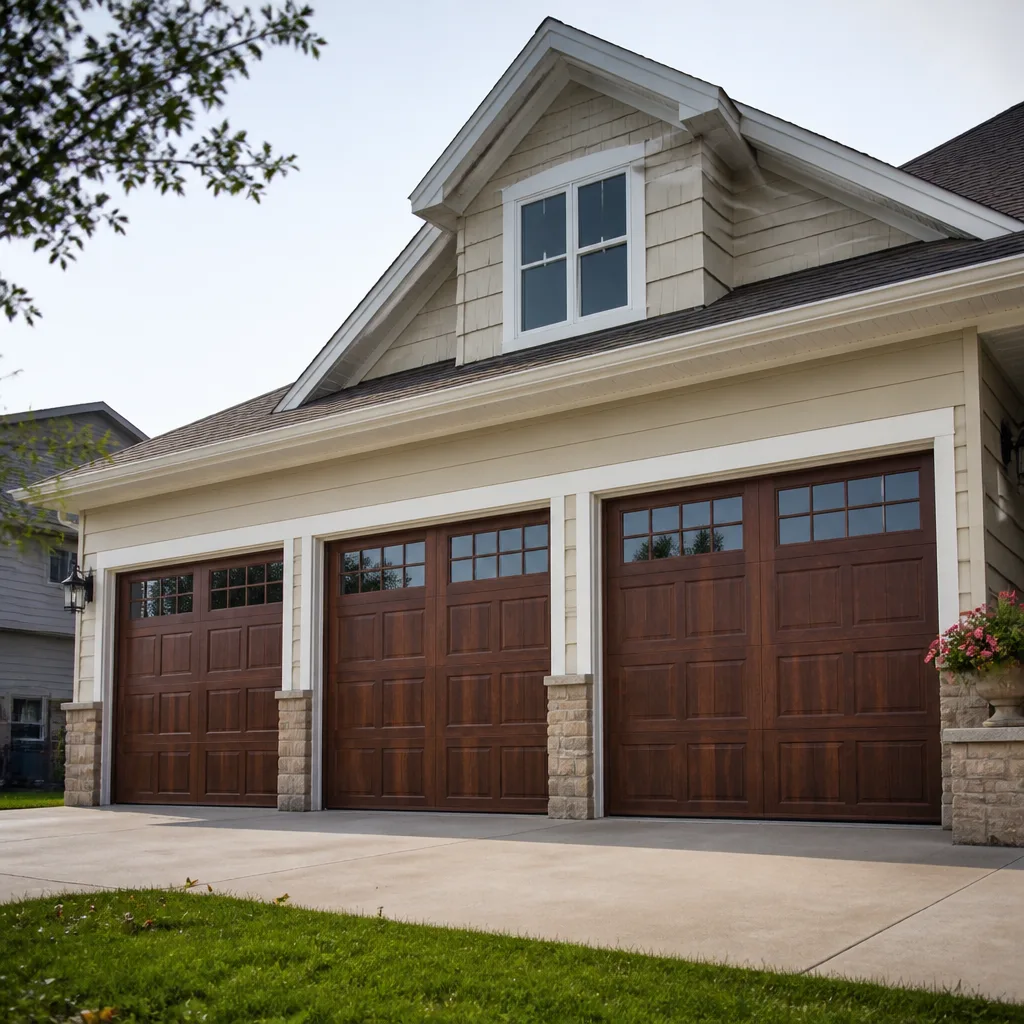 Impact garage doors
 PGT
 CGI
Free in-home measure and quote - PGT, CGI and CWS impact lines compared on your actual openings, style by style
Get your free estimateWindows & Doors Permits, Codes & Inspections in Elk Grove, CA: What You Need to Know
Most homeowners assume a window swap is too small to matter to the county. That assumption is the one that costs people later. An unpermitted replacement doesn’t just risk a stop-work order while the crew is on site – it creates a material disclosure obligation when you sell, and it can turn a clean transaction into a negotiation. Elk Grove sits inside Sacramento County’s permitting framework, which means the rules you’re actually working under come from the county, the state energy code, and often your HOA all at once. This guide breaks that stack down into plain decisions: when a permit is required, what Title 24 demands of the product itself, how egress sizing works, and what a passed inspection really protects.
Quick Answer
In Elk Grove, a window replacement generally needs a building permit when you change the size of the opening, change the unit type, alter the framing or header, or add or resize an egress opening. A true like-for-like replacement of the same size and same operating type in the same opening often qualifies as a minor replacement, but you should confirm that with Sacramento County’s building department before work starts, because the classification drives everything downstream. On top of the permit, replacement windows and doors must meet California’s Title 24 energy requirements for this climate zone, and the product’s NFRC rating labels are how that gets verified.
Styles & brands we work with
- Single hung
- Double hung
- Horizontal roller
- Casement
- Bay & bow
- Sliding glass doors
- Entry doors
- Impact garage doors
- PGT
- CGI
Table of Contents
- When does a window replacement need a permit in Elk Grove?
- Title 24 energy compliance: what your windows must actually be rated for
- HOA approval in Elk Grove’s planned communities
- Egress window requirements for bedrooms
- What a passed inspection protects
- The permit and inspection process, start to finish
- Doors are not exempt: entry and sliding door rules
- Common mistakes to avoid
When does a window replacement need a permit in Elk Grove?
A window replacement in Elk Grove needs a building permit when the scope goes beyond swapping a unit of the same size and type into the same opening. The distinction the county cares about is between like-for-like replacement and anything that touches the structure, the opening dimensions, or the use of the unit.
In practice, the questions that decide it come down to four things:
- Same opening size? If the rough opening stays the same and the new unit fills it exactly, you’re in replacement territory. Widen or shorten the opening and you’re now doing framing work, which pulls a permit.
- Same operating type? Replacing a fixed picture window with a sliding unit, or a single-hung with a casement, changes the unit type. That’s no longer like-for-like.
- Structural changes? Any header work, lintel change, or reframing of the wall opening requires a permit and inspection.
- Egress involved? If the window serves a bedroom and you’re changing its size or sill height, the egress calculation has to be re-verified, and that means a permit.
Here’s the part that surprises people: the county’s classification isn’t something you get to decide for yourself. A contractor who tells you “we don’t need a permit for this” without checking the scope against the county’s current requirements is guessing. We’ve learned to treat the scope conversation as the first step of every project, not an afterthought, because getting the classification wrong is expensive to unwind. Our technicians have up to 13 years of experience, and the ones who’ve done the most Elk Grove work will tell you the same thing: the permit question gets answered before the product gets ordered, not after.
If you’re still deciding whether your project is a replacement or a larger scope change, our guide to window replacement walks through what each path involves. Either way, confirm the permit requirement with Sacramento County’s building department for your specific address before signing anything.
Title 24 energy compliance: what your windows must actually be rated for
Replacement windows in Elk Grove must comply with California’s Title 24 energy standards, which means the product has to meet performance requirements set for this climate zone. Elk Grove sits in Climate Zone 12, the Central Valley zone, which carries its own set of window performance thresholds. The standard isn’t satisfied by a contractor’s assurance – it’s satisfied by the product’s rated performance, documented on NFRC labels.
NFRC stands for the National Fenestration Rating Council, and its labels are the industry-standard certification that a window’s published performance numbers were tested and verified rather than claimed. When a permit is pulled for replacement windows, those ratings are part of how compliance gets demonstrated.
The specs that matter most on a Title 24 review are:
- U-factor – how much heat transfers through the whole unit. Lower is better.
- Solar Heat Gain Coefficient (SHGC) – how much solar heat the glass lets in. In the Central Valley that number matters for cooling load, not heating.
- Visible Transmittance (VT) – how much daylight comes through. It’s the comfort and daylighting spec, not the compliance spec, but it’s the one homeowners notice most.
- Air leakage – the rating that tells you how tight the assembly is.
The practical move is to ask for the NFRC label and the manufacturer’s performance sheet for the exact configuration you’re buying, not just the product line. A window line can have several rated configurations depending on glass package, frame material, and operating type, and the number on the marketing brochure may not match the number on the unit that shows up. Different glass packages move the U-factor and SHGC in different directions, so the glass package you choose for a west-facing wall in Elk Grove may differ from what makes sense on a shaded north wall.
We carry energy-focused product lines through ECO Window Systems and ES Windows specifically because some homeowners want a documented path to better performance, and those brands publish the ratings that support it. If your priority is storm performance alongside efficiency, impact-rated options through PGT and CGI are rated too. The right window for your home is the one whose rated specs match the requirement and the room – not the only brand we happen to carry.
If a manufacturer’s spec sheet doesn’t clearly state the ratings for your configuration, don’t accept “it meets code” as an answer. Ask for the documentation. If you want to understand what window installation looks like when the product spec is settled first, that’s the sequence we work in.
HOA approval in Elk Grove’s planned communities
Elk Grove has a large share of planned-community housing, and if you live in one of those neighborhoods, the county permit is only half the approval you need. Many HOAs maintain architectural review rules that govern window and door appearance: frame color, exterior profile, visible glass appearance, grille patterns, and sometimes the door style and color itself. A permit does not override an HOA’s architectural standards, and an HOA approval does not substitute for a permit. You need both, and they’re separate processes.
The reason this trips people up is sequencing. Homeowners often order the product, schedule the crew, then discover the HOA wants an architectural submittal with documentation – and the submittal sits for a review cycle while the product sits in a warehouse.
Here’s how to submit correctly the first time:
- Get the HOA’s architectural guidelines in writing. Ask for the current version of the window and door standards, not a verbal summary from a neighbor.
- Request a manufacturer spec sheet and color sample from your supplier. Window manufacturers publish elevation drawings, frame color chips, and glass appearance descriptions for exactly this purpose. Ask for the documents, not a photo of a showroom unit.
- Fill out the HOA’s architectural request form completely. Missing attachments are the most common reason a submittal gets returned.
- Confirm the rules for matching existing units. Some HOAs require the new window to match the existing frame profile and color exactly; others allow an upgrade. Get clarity before you order.
- Get the approval in writing before you order. A verbal “you’re fine” from a board member isn’t an approval record.
- Keep the approval with your permit documents. You’ll want both together at resale.
We’ve worked in enough Elk Grove neighborhoods to know the submittals go smoother when the product documentation is requested at the same time as the quote. Brands that publish complete spec packages – Therma-Tru on the door side, PGT and CWS on the window side – make this easier because the documents exist and are formatted for architectural review. If you’re also planning a door replacement, the entry door color and style is often a separate HOA line item, so submit both at once if you can.
Egress window requirements for bedrooms
Every bedroom in a California home needs at least one operable window that meets egress requirements: it has to be large enough and positioned so a person can get out through it in an emergency, and it has to be reachable. The California Residential Code sets the sizing dimensions for egress openings, and if you replace a bedroom window with a different size or configuration, the new unit has to meet them.
The dimensions that matter are the clear opening, not the window’s rough opening or overall size. A large window can still fail egress if the operable portion is too small or the sill is too high off the floor. When we’re planning a bedroom replacement, the egress check happens against the actual product configuration, not the nominal size on the order.
Egress matters more in replacement projects than people expect. Common situations:
- Downsizing a bedroom window for aesthetics or furniture layout, only to find the smaller opening no longer clears the egress minimum.
- Changing operating type from a sliding window to a fixed or awning configuration, which can eliminate the operable egress path entirely.
- Raising the sill height during a remodel when the floor level changes or the framing shifts.
If a bedroom window fails egress and has to be retrofitted, the work generally involves reframing the opening, which means a permit, an inspection, and structural work – not just a unit swap. That’s a different scope and a different cost profile than a simple replacement, and it’s one of the reasons we ask about bedroom windows early in any project conversation. If a retrofit is what your home needs, we’d rather tell you before you order than discover it at inspection.
The takeaway: if you’re replacing a bedroom window and keeping the same size and type, egress is usually preserved. If you’re changing anything about it, verify the clear opening against the code requirement before you commit.
What a passed inspection protects
A final inspection that passes produces an inspection record, and that record is the document that protects you years later. It does three things at once: it confirms the work was done to code, it establishes that the permit was closed, and it becomes part of the property’s permit history that a buyer’s agent, appraiser, or insurer can look up.
The insurance angle gets overlooked. If a window or door failure leads to a claim – water intrusion at a poorly flashed opening, glass damage from a storm, damage that traces back to the installation – an insurer will want to know whether the work was permitted and inspected. Work done without records can complicate a claim because there’s no inspection trail showing the installation was done correctly. We’re not in the business of telling you how your policy reads; we’re telling you what a clean paper trail does for you when someone else is asking questions.
The resale angle is the bigger one. In California, sellers have disclosure obligations about known material facts, and unpermitted work is a material fact. If a window replacement was done without a permit when a permit was required, that fact has to be disclosed, and it can prompt a buyer to demand corrections, negotiate the price down, or walk. The cost of pulling the permit at the time of the job is small next to the cost of resolving the question during a transaction.
What a passed inspection protects, in plain terms:
- A closed permit record that a buyer’s inspector can find and verify.
- Documented code compliance for the installation, the product ratings, and the egress calculation.
- A clean disclosure at resale, since there’s nothing outstanding to disclose.
- A reference point if you ever need to make an insurance claim related to the opening.
That’s the real argument for permits on window and door work in Elk Grove. The inspection is a formality; the record is the asset.
The permit and inspection process, start to finish
Here’s the sequence we work through on a typical Elk Grove window or door project. Steps vary by scope, so treat this as the general shape rather than a fixed rulebook for every address.
- Scope review and permit classification. Determine whether the work is like-for-like replacement or a scope change that requires a permit. Confirm with Sacramento County’s building department.
- HOA architectural submittal, if applicable. Submit the manufacturer documentation and get the approval in writing before ordering.
- Product selection and spec verification. Confirm the NFRC ratings for the exact configuration match the Title 24 requirements for Climate Zone 12. Request the spec sheet for the specific unit you’re buying.
- Permit application. The application typically needs the scope of work, product specifications, and the site address. The county will tell you what’s required for your project type.
- Order and schedule. Product lead times vary by brand and configuration; schedule installation after the permit and HOA approval are in hand.
- Installation. Windows and doors are set, flashed, and sealed to the manufacturer’s instructions, which the inspection will ask about.
- Inspection. The county inspects the installation. If corrections are needed, they get made and re-inspected.
- Final sign-off and records. Keep the closed permit, the inspection record, and the HOA approval together with your home documents.
The two steps people most often skip are the HOA submittal and the spec verification, and both are the ones that create delays. On an Elk Grove project, the city’s climate does the spec verification a favor: the Central Valley’s hot summers make the SHGC rating genuinely useful, not just a paperwork number, so it pays to get it right on the front end.
Doors are not exempt: entry and sliding door rules
Entry doors and sliding doors follow the same permit logic as windows, and they’re often part of the same project scope. An entry door replacement that keeps the same opening size and door type is typically a like-for-like swap; changing the door width, altering the frame, or converting a sliding door to a hinged door or vice versa is a scope change that triggers a permit. Sliding doors also have their own egress and safety glazing considerations.
Title 24 applies to doors as well as windows, and entry and patio doors carry U-factor and solar heat gain ratings that have to meet the same climate-zone requirements. A door with a large glass lite is a significant part of the home’s envelope performance, so the glass package matters as much as the door frame.
Safety glazing is the other door-specific rule most homeowners don’t think about. Glass in doors and in windows adjacent to doors has to be safety glazed in certain locations, which is a code requirement, not a style choice. It’s the main reason a door replacement isn’t a spot where you swap in a decorative glass panel from a different product line without checking the specification.
If your project includes a new entry door or a patio slider, the same documentation approach applies: spec sheets, HOA approval, permit if required, and an inspection record. Therma-Tru entry door documentation is built for submittal because the brand is widely used in planned communities, which makes the HOA piece less painful. And whether you’re replacing one opening or several, the door work runs on the same permit and inspection clock as the windows.
Common Mistakes to Avoid
- Assuming “like-for-like” without checking. Homeowners often believe a window swap never needs a permit. The classification depends on the size, type, and framing, not on how simple the job feels.
- Ordering product before the permit and HOA approval. Product lead times run longer than an HOA review cycle, and a delayed submittal leaves the product sitting in storage. Sequence the approvals before the order.
- Submitting an HOA package without manufacturer spec sheets. A photo and a verbal description are usually not enough. Request the elevation drawings and color documentation from your supplier.
- Skipping the NFRC label check on the delivered product. The unit that arrives should carry the rating documentation for the exact configuration you ordered. Verify it against the spec sheet, not the brochure.
- Changing a bedroom window without an egress calculation. Downsizing or changing the operating type can quietly fail egress, and retrofitting for compliance is a bigger, more expensive scope.
- Treating an inspection as optional because the job “looks fine.” The inspection record is what a buyer’s agent and an insurer look for. A well-installed job without a record still leaves you with the disclosure problem.
- Losing the paper trail after the job. The closed permit, the inspection record, and the HOA approval are home documents. Keep them with your other property records.
See the difference
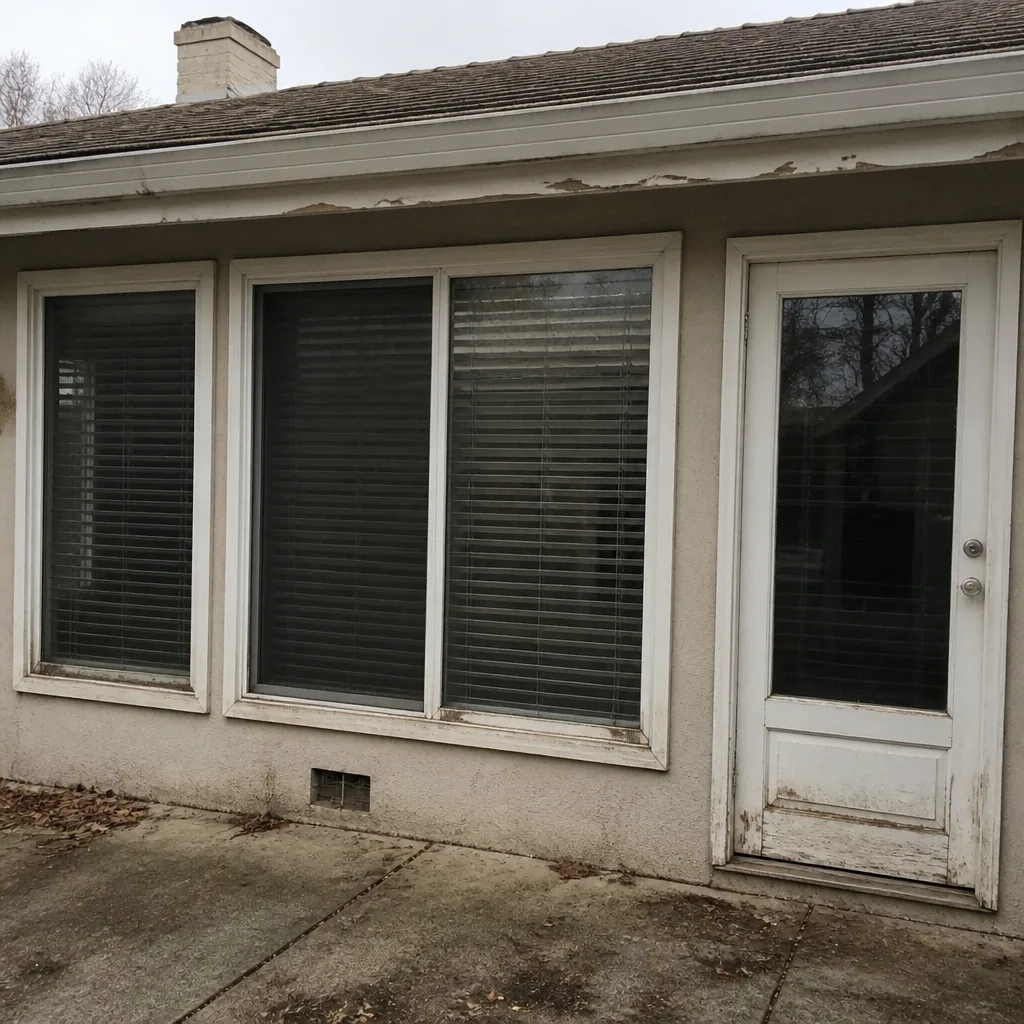 Before
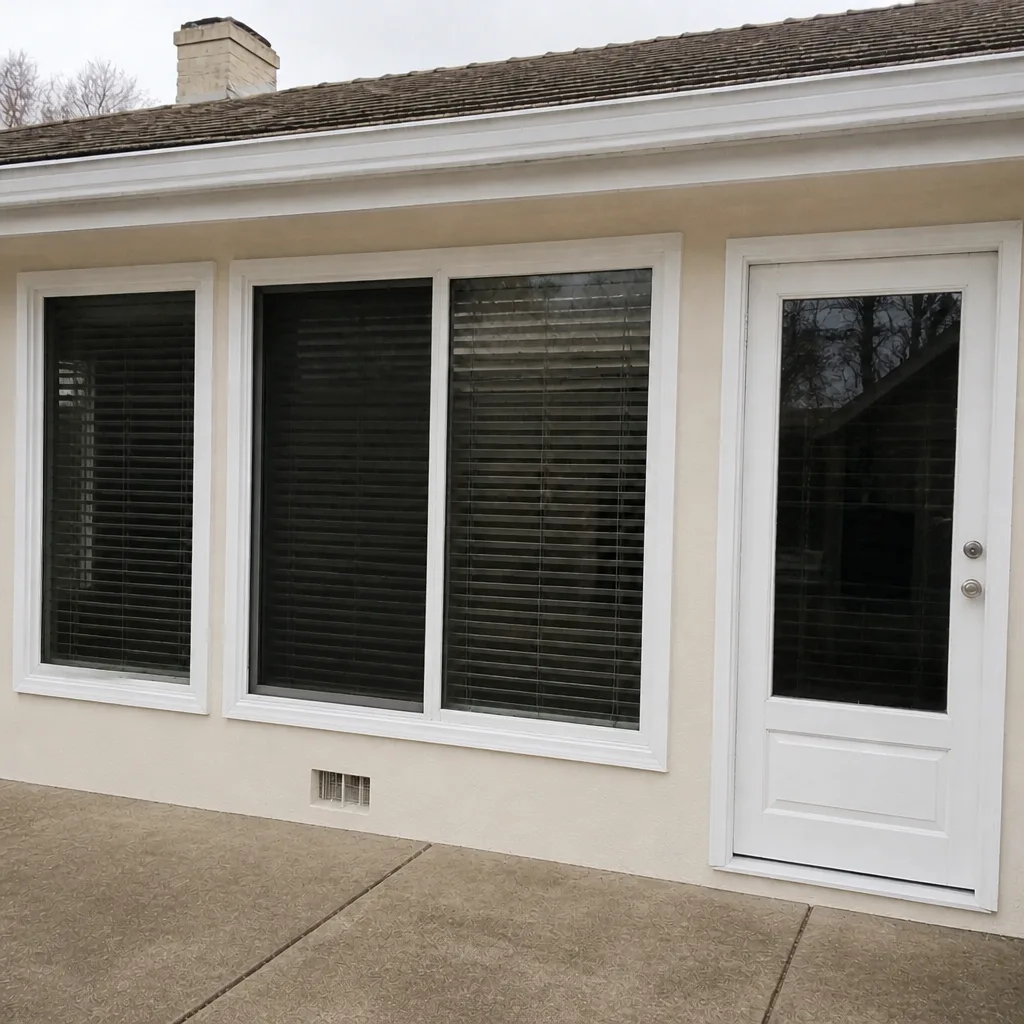 After
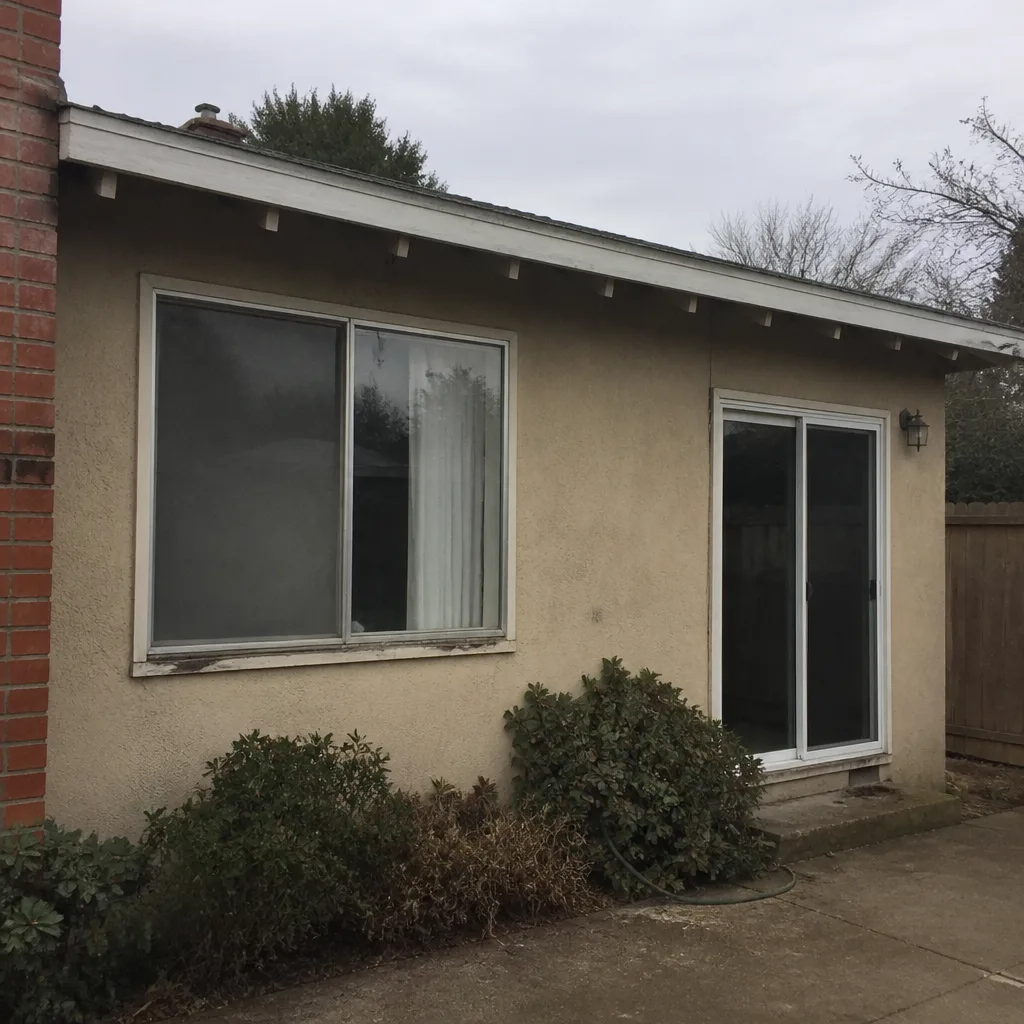 Before
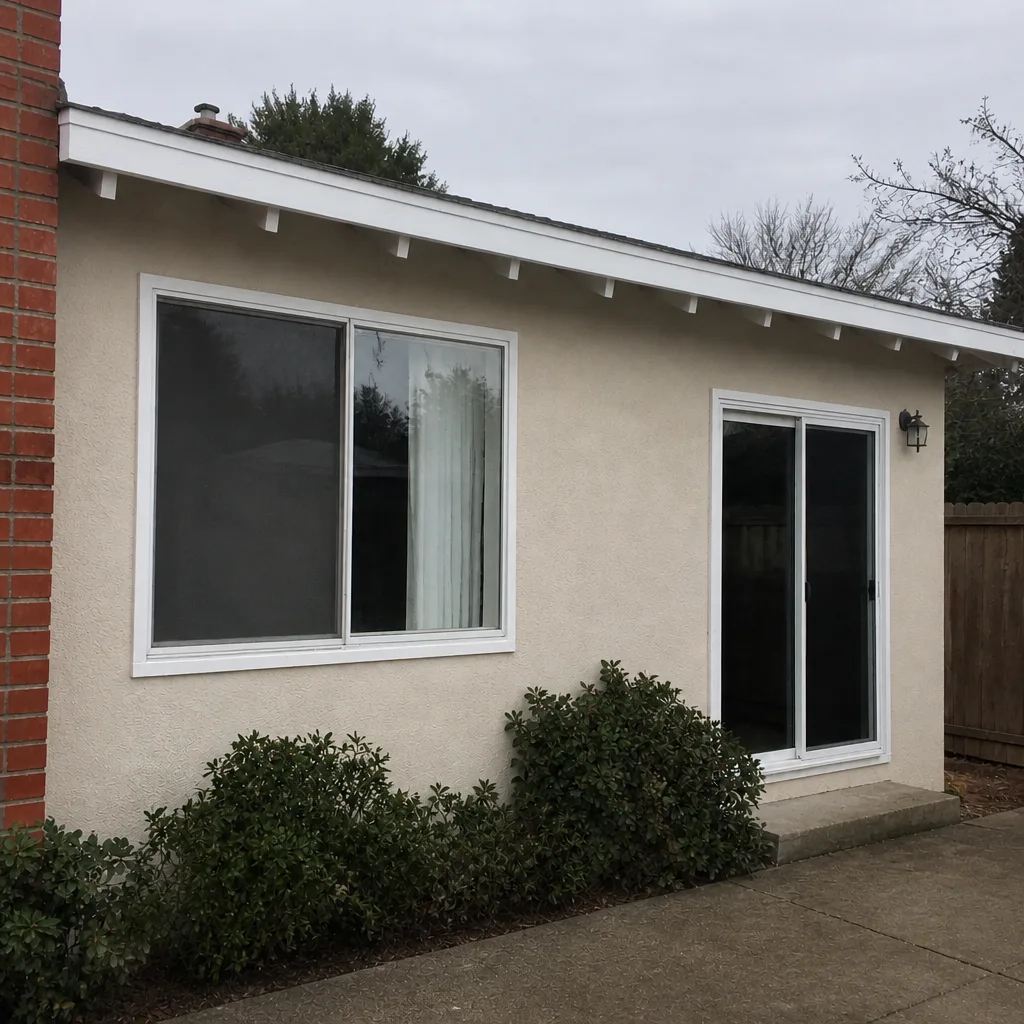 After
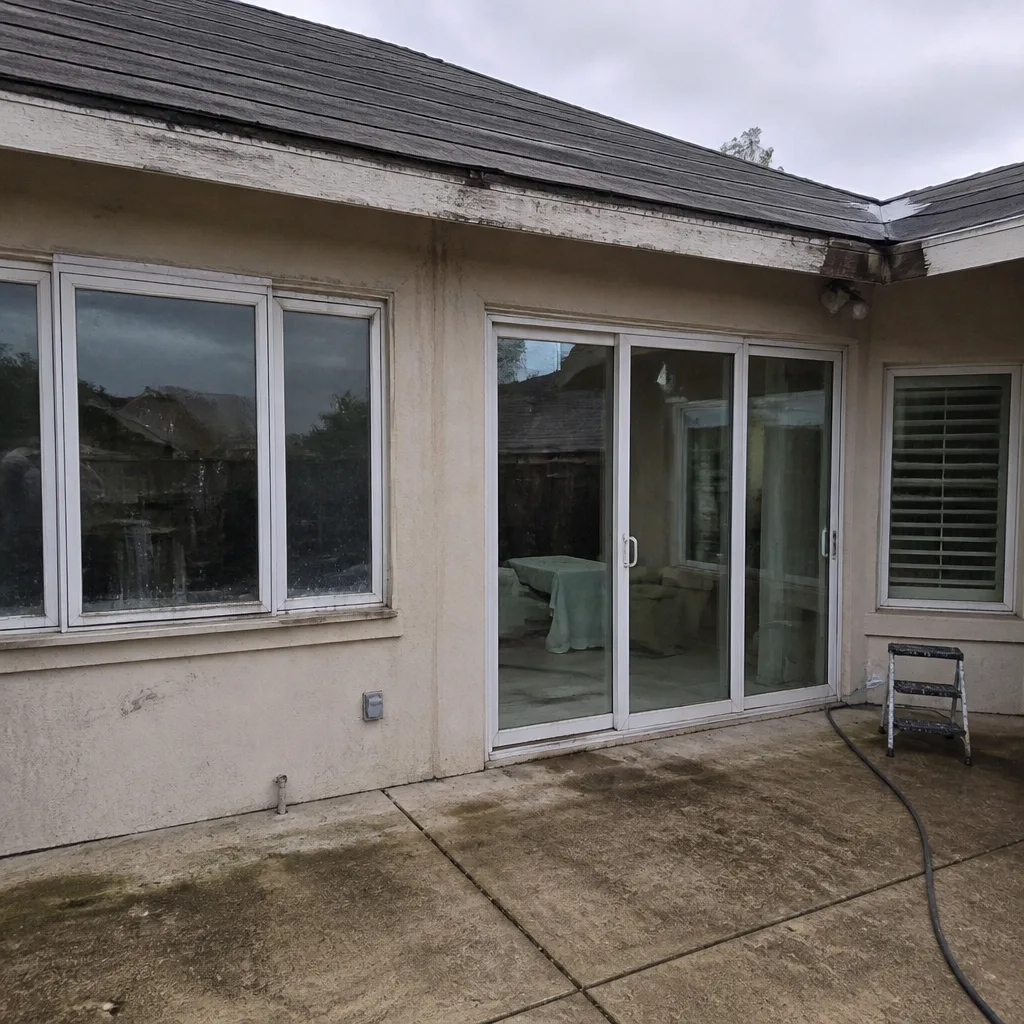 Before
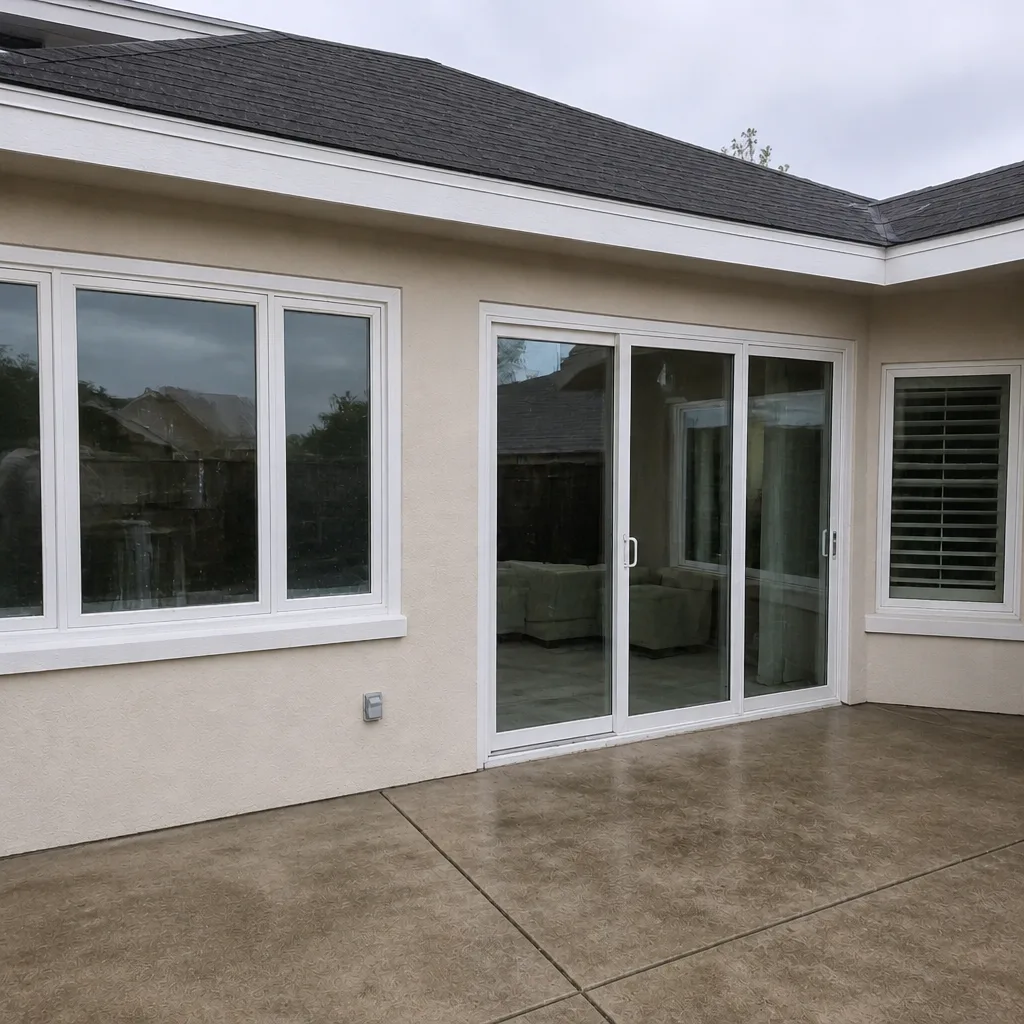 After
When to Call a Professional
Call a professional when your project involves any change to the opening size or type, when a bedroom window is part of the scope, when your home is in an HOA community with architectural review rules, or when you’re not sure whether your project needs a permit at all. Those are the situations where a wrong decision on the front end costs the most to fix on the back end. A specialist who handles windows and doors every day can read the scope against the county’s requirements and the Title 24 specs before anything gets ordered, and can point you to the right product documentation for the HOA submittal. Elk Grove Window Replacement offers free estimates in Elk Grove – call (279) 333-8498 to talk through your project. We supply and install products from eight brands and carry the product breadth to match the spec to the requirement, rather than working around whatever happens to be on hand.
Frequently Asked Questions
You need a permit when the replacement changes the opening size, changes the unit type, involves framing or header work, or alters a bedroom egress opening. A true like-for-like swap of the same size and operating type in the same opening often does not require a permit, but the classification should be confirmed with Sacramento County’s building department for your specific project before work begins. Call (279) 333-8498 if you want help reading your scope.
Title 24 is California’s building energy efficiency standard, and it applies to replacement windows and doors. Elk Grove is in Climate Zone 12, which sets window performance thresholds that a product has to meet, documented through NFRC ratings. Ask for the NFRC label and the manufacturer’s spec sheet for the exact configuration you’re buying.
Ask for the NFRC label and the manufacturer’s published performance sheet for the specific configuration, not just the product line. Verify the U-factor and Solar Heat Gain Coefficient for the glass package, frame material, and operating type you’re ordering. If a supplier can’t produce the documentation, that’s a reason to keep looking.
If you live in a planned community with architectural review rules, yes. Many Elk Grove HOAs govern frame color, exterior profile, glass appearance, and door style. Get the guidelines in writing, submit the manufacturer spec sheets and color documentation with the application, and get the approval in writing before you order the product.
A bedroom window has to provide a clear opening that meets the California Residential Code’s egress sizing and be reachable from inside the room. The clear opening and sill height are what count, not the window’s overall size. If you’re changing a bedroom window’s size or operating type, verify the clear opening against the code requirement before you order; retrofitting for egress is a larger, permit-driven scope.
An unpermitted replacement creates a material disclosure obligation at resale and can complicate an insurance claim because there’s no inspection record showing the work was done correctly. It also risks a stop-work order during the project. The permit and inspection cost is small compared to unwinding the problem later. Call (279) 333-8498 for a free estimate that includes the permit conversation from the start.
The Bottom Line
In Elk Grove, the permit question is a scope question: like-for-like replacement and structural change are treated differently, and the classification should be confirmed with Sacramento County before anything is ordered. Title 24 sets the energy performance your windows and doors must be rated for in Climate Zone 12, and the NFRC documentation is how you verify it. HOA approval is a separate process from the permit, and both should be in hand before the order. Egress sizing governs any bedroom window change. And a passed inspection produces the record that protects you at resale and in an insurance claim. Get the regulatory stack right on the front end, and the rest of the project is straightforward.
Elk Grove Window Replacement specializes in windows and doors, and that focus means the people you talk to work in this regulatory stack every day. We supply and install products across eight brands – PGT, CGI, CWS, ES Windows, ECO Window Systems, Mr-Glass, Therma-Tru, and ViewLux – so the product can be matched to the requirement rather than the other way around. Whether you’re planning a whole-home window replacement in an Elk Grove HOA community or a single scope change that needs a permit, call (279) 333-8498 for a free estimate. Estimates are free and the quote is written line by line, so you can see exactly what’s included before work begins.
Written by the team at Elk Grove Window Replacement.