Last updated November 25, 2026
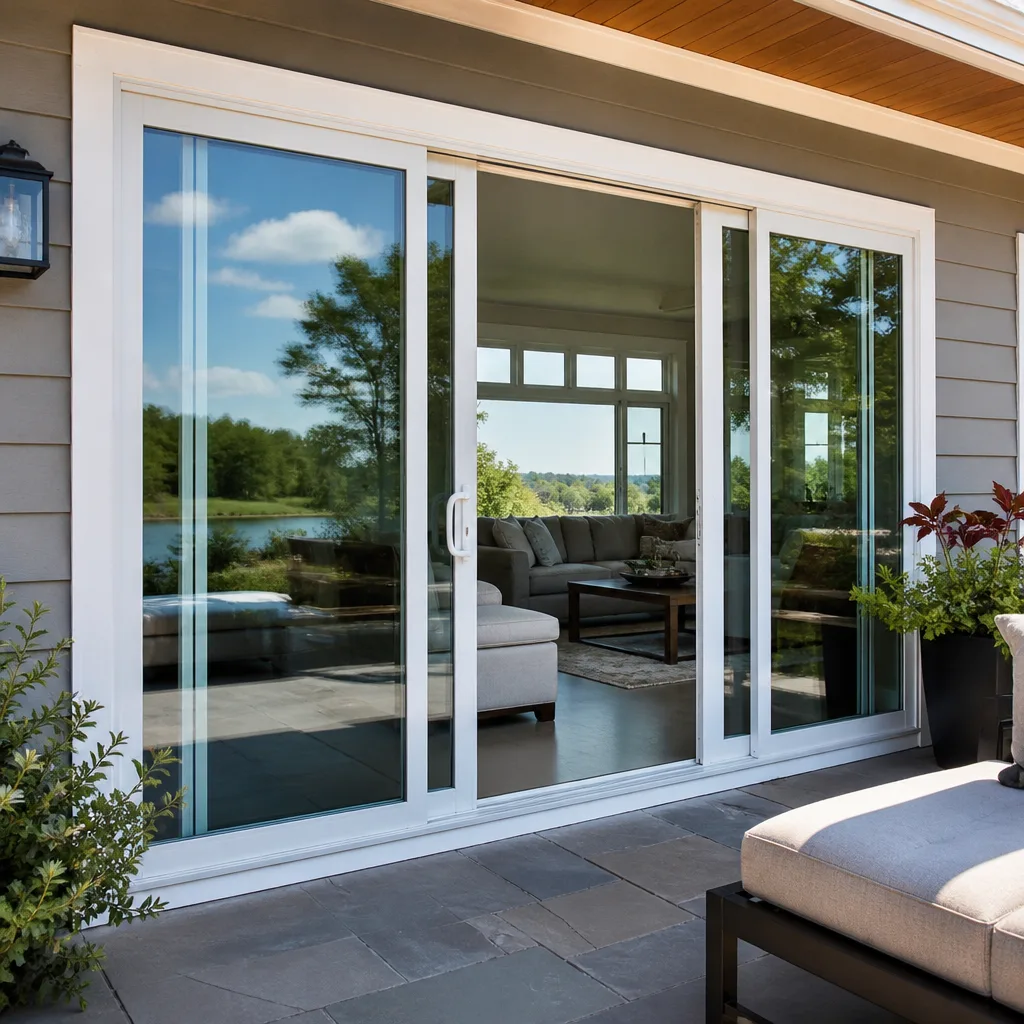 Sliding glass doors
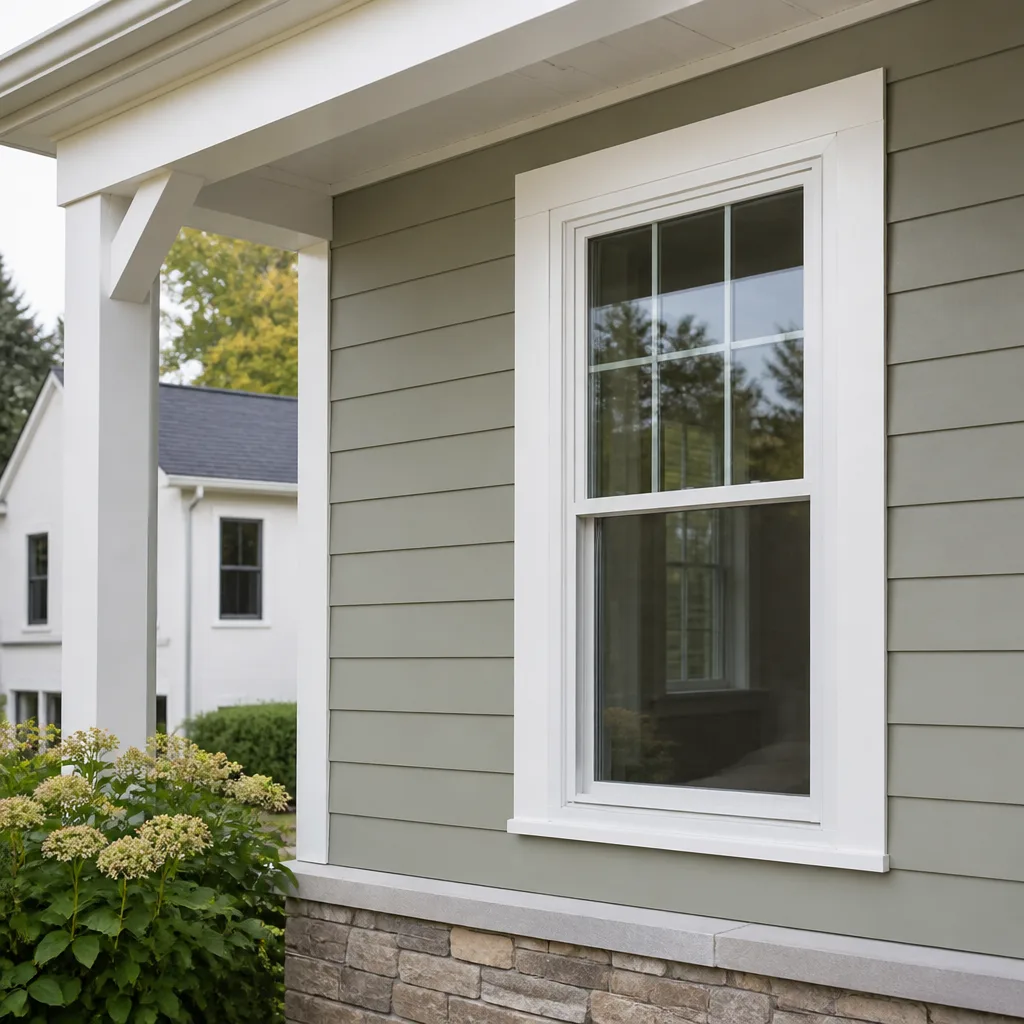 Single hung
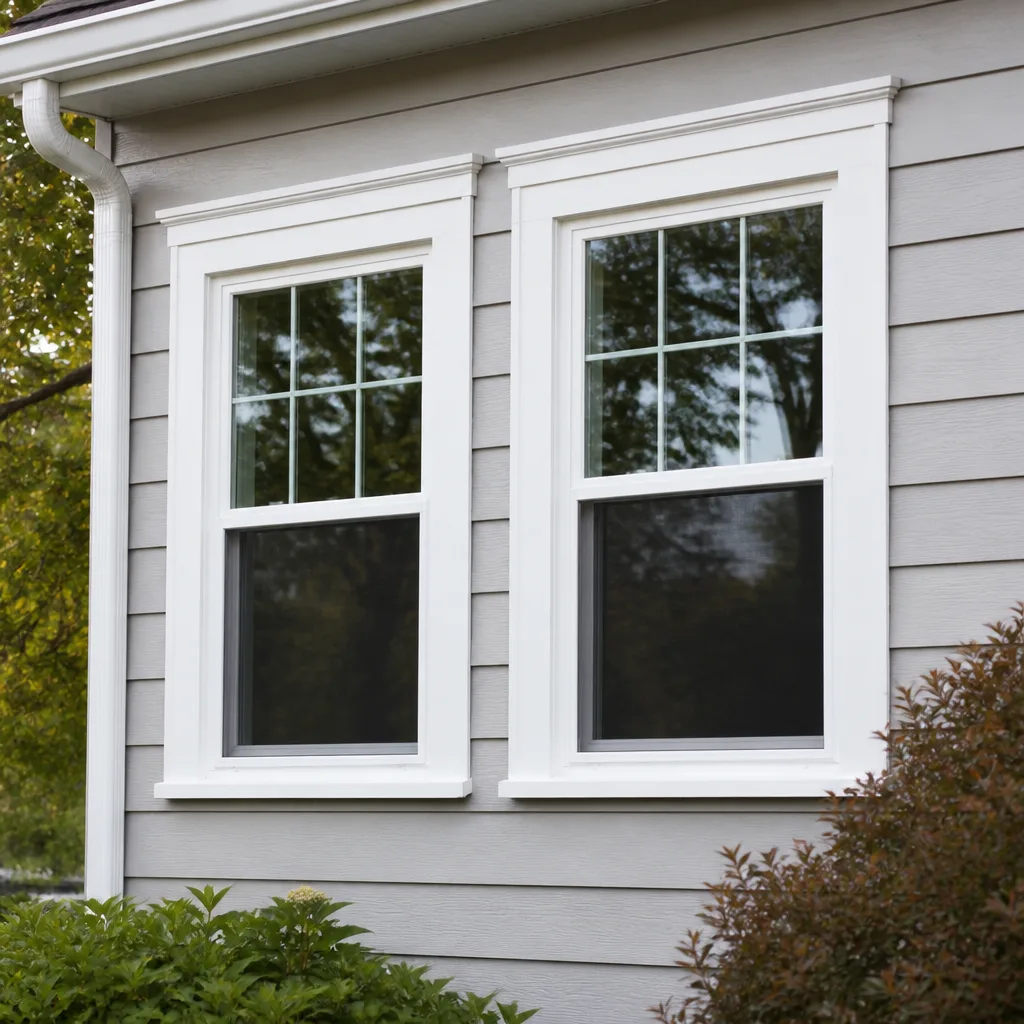 Double hung
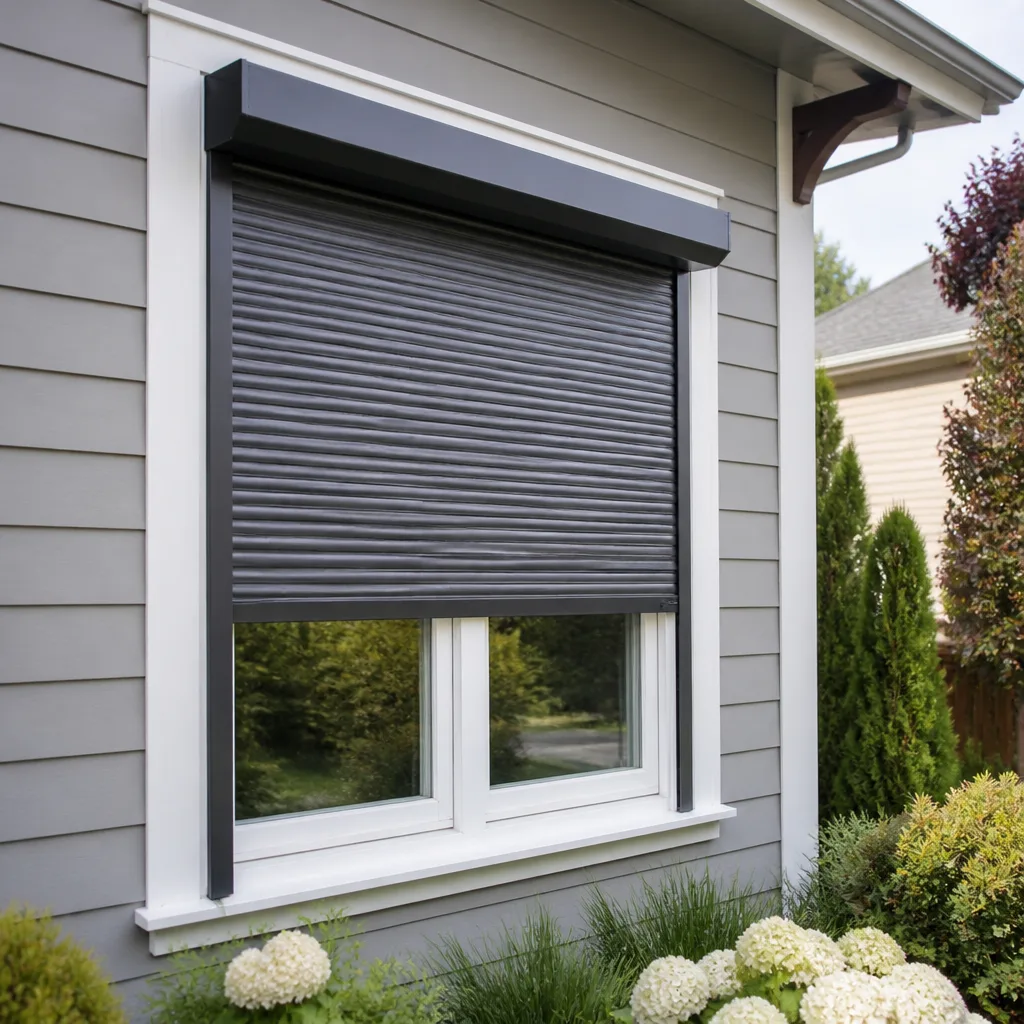 Horizontal roller
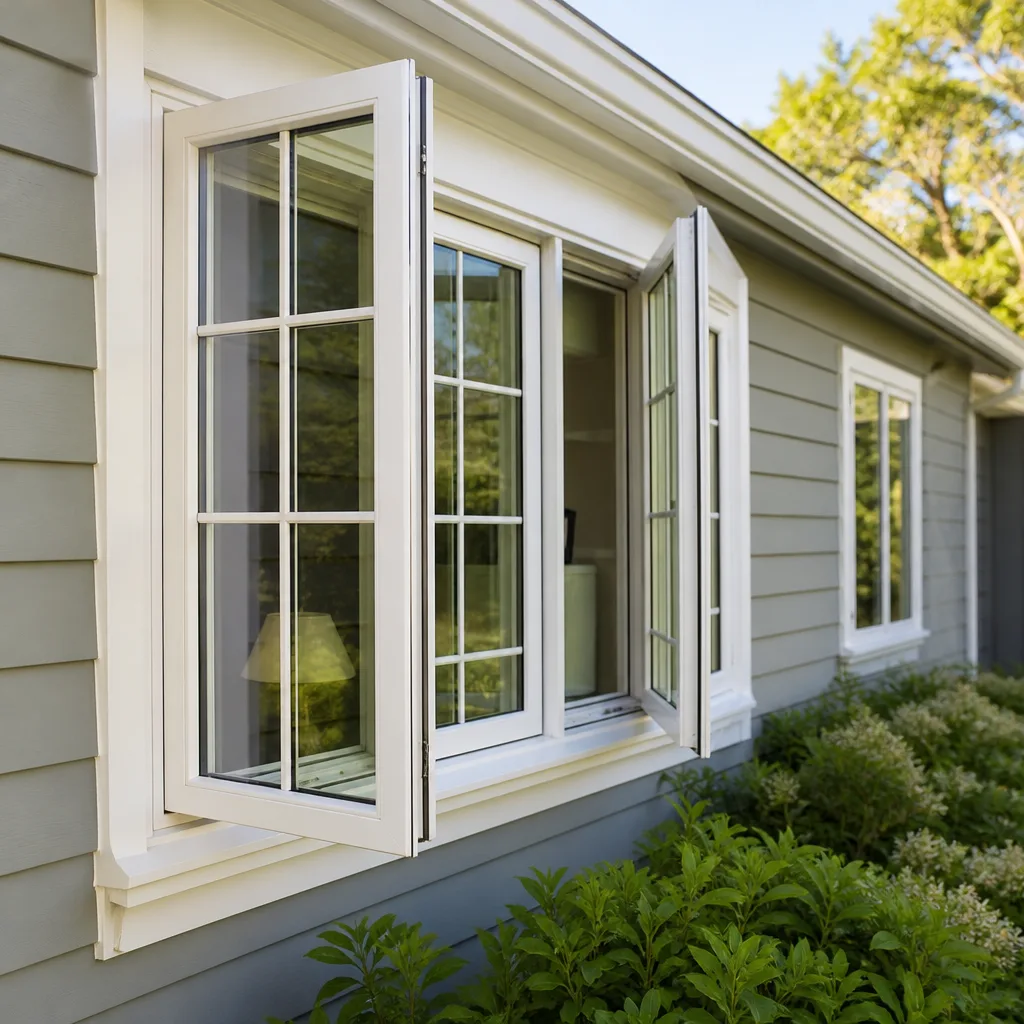 Casement
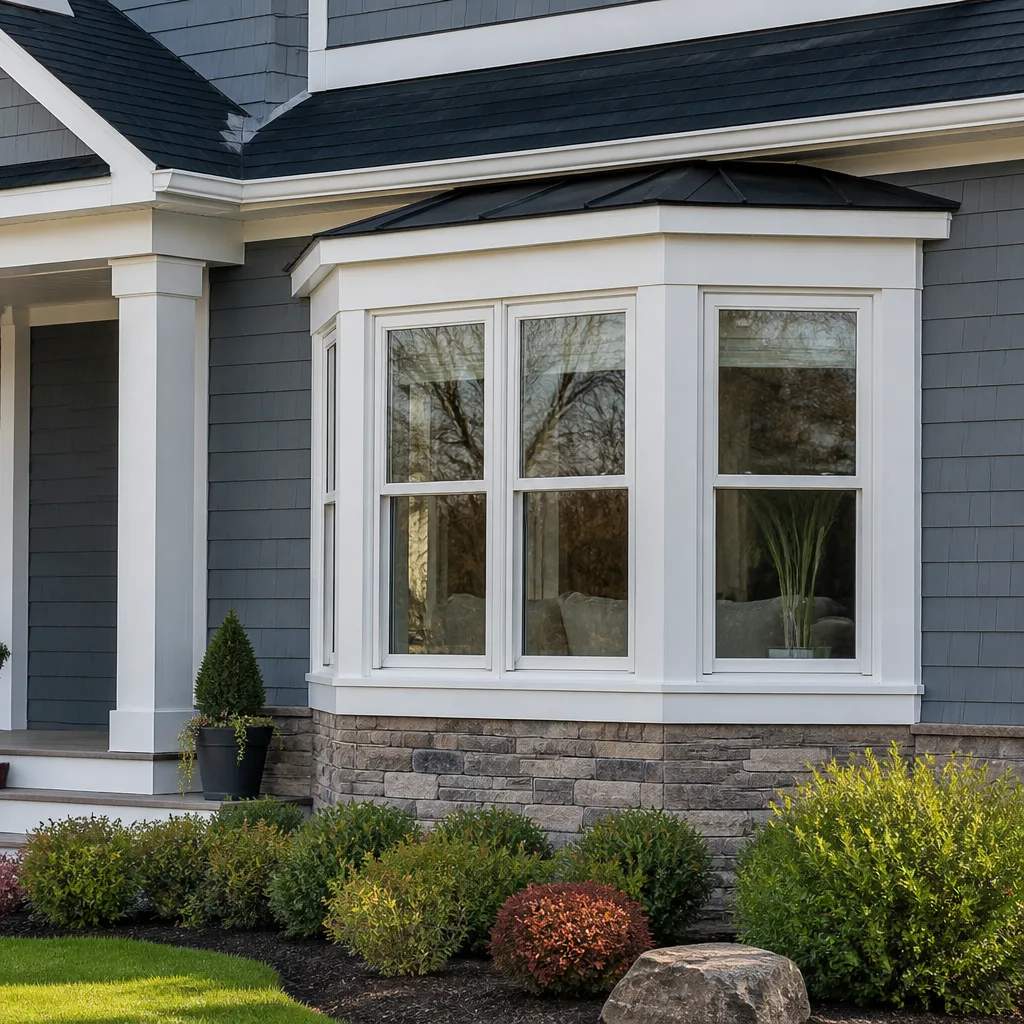 Bay & bow
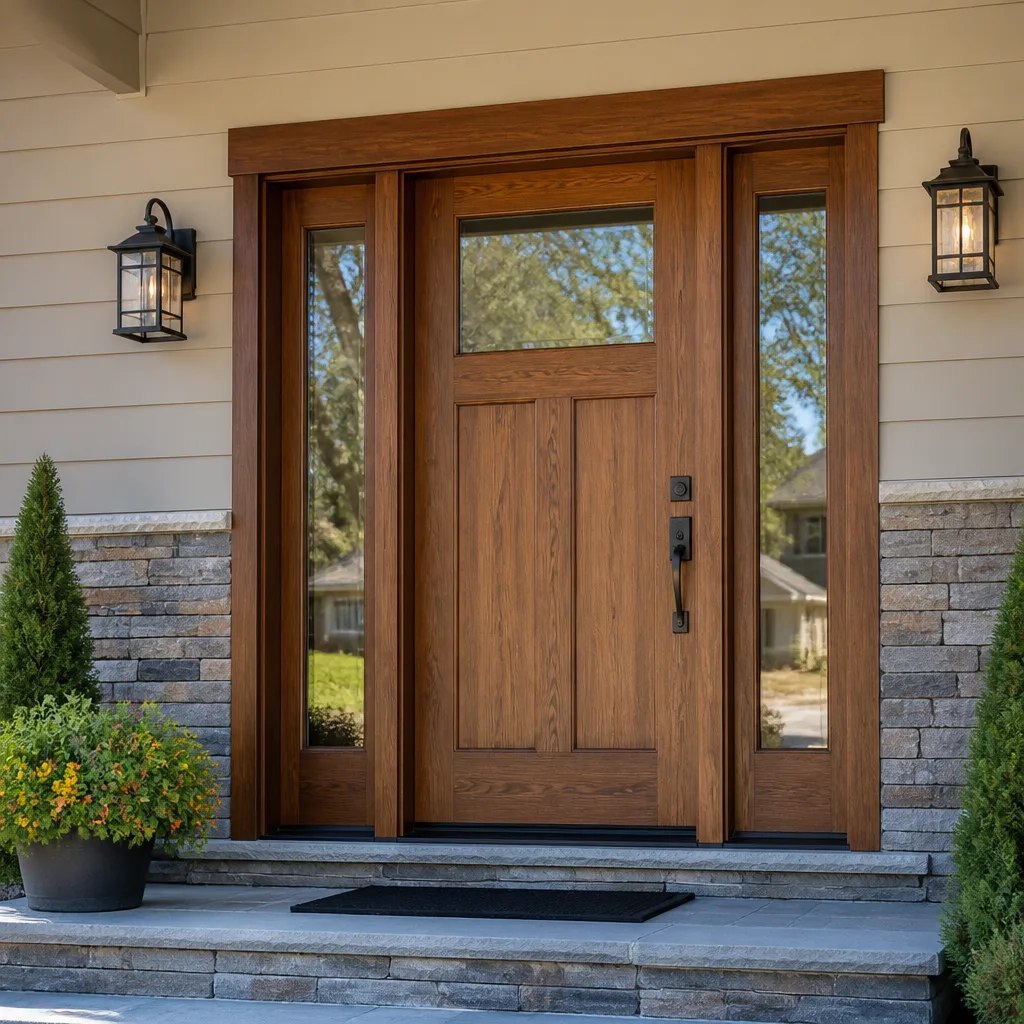 Entry doors
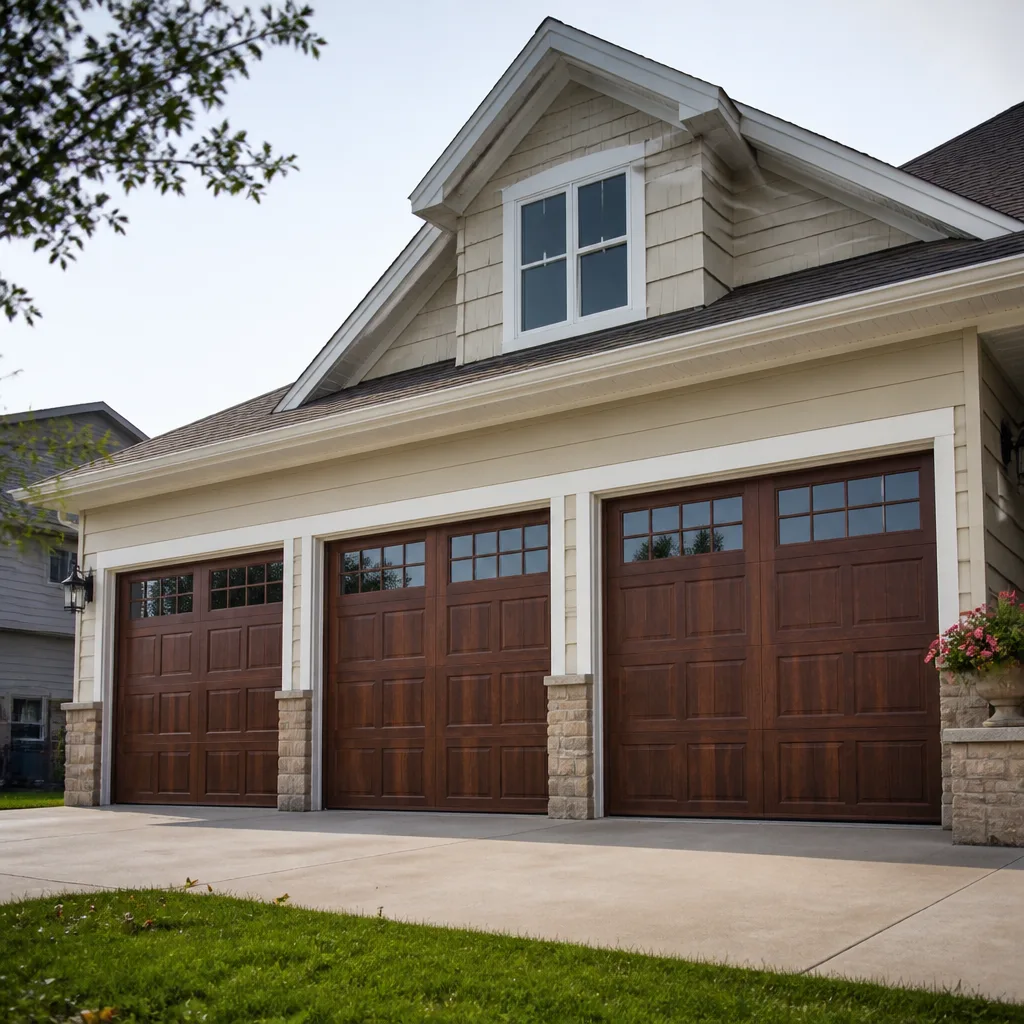 Impact garage doors
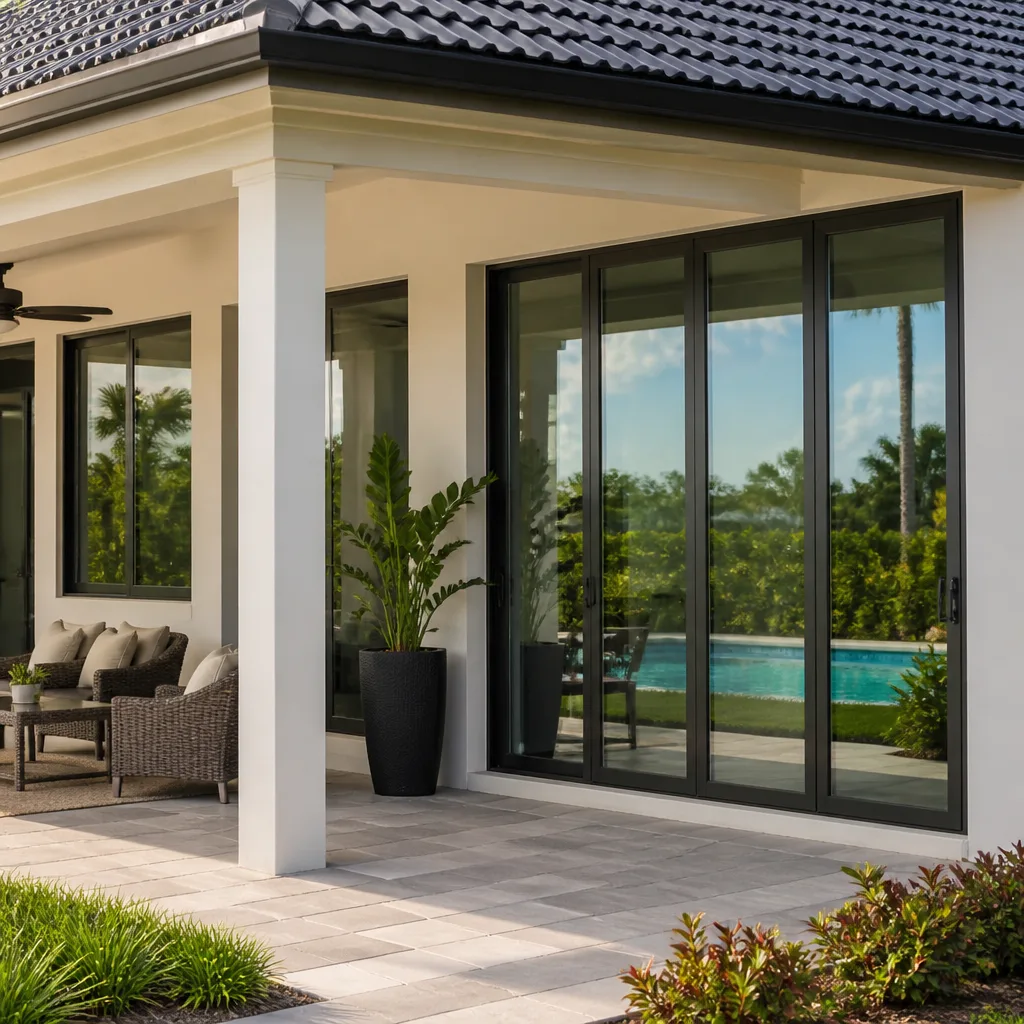 PGT
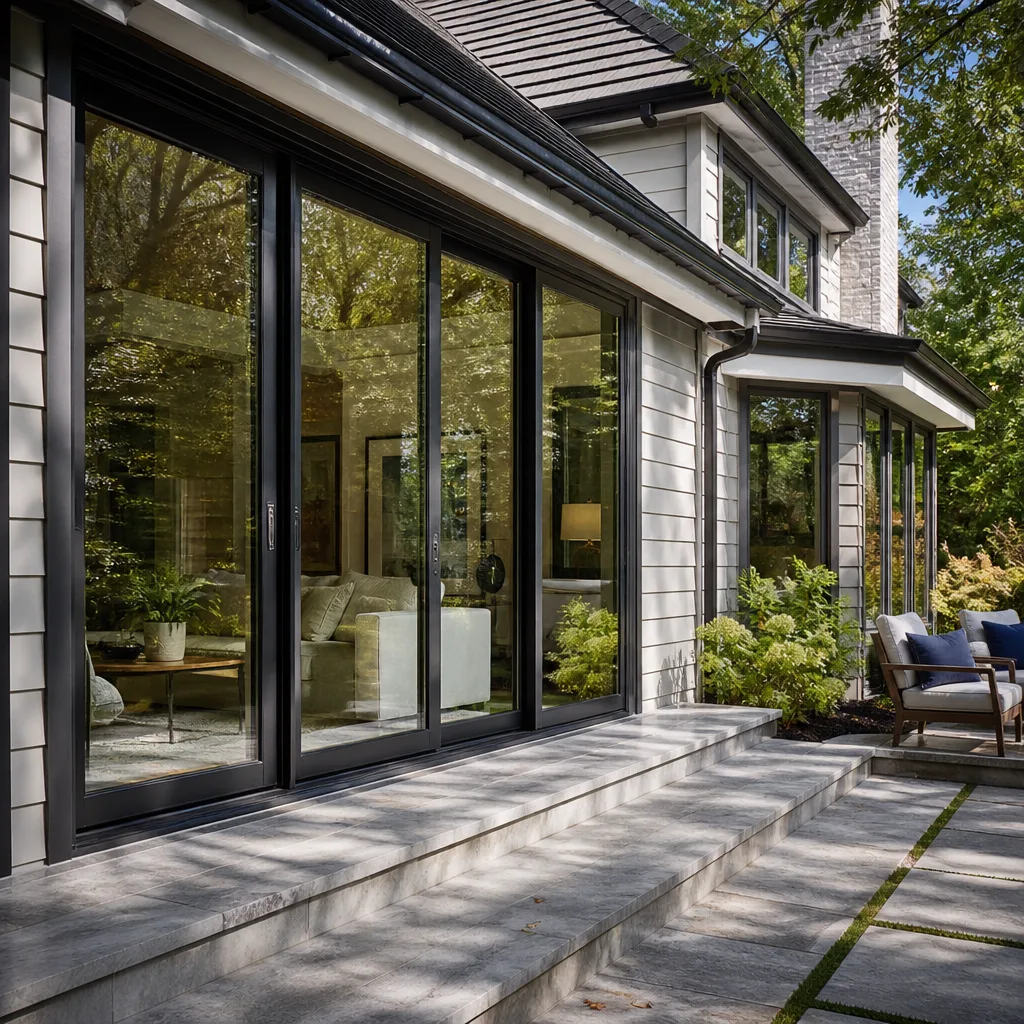 CGI
Free in-home measure and quote - PGT, CGI and CWS impact lines compared on your actual openings, style by style
Get your free estimateWindows & Doors Cost Breakdown: The Elk Grove Homeowner’s Reference for 2026
Two Elk Grove quotes for what looks like the same window can legitimately differ by $400 per unit. Not because one contractor is gouging you, and not because the other cut a corner. The gap usually comes down to what each quote quietly leaves out: Title 24 documentation on one side, stucco patch work on the other, and no way to tell from the bottom-line number which is which. That’s the pricing problem most homeowners face, and it isn’t about the window at all. It’s about the paperwork and labor wrapped around it.
This guide takes the four cost layers that make up every window and door quote in Elk Grove and pulls them apart so you can read a bid the way a trade specialist reads one. Product, labor, compliance, and disposal. By the end you’ll know where each dollar goes, why the same window costs different amounts on different houses, and how to compare a complete quote against a teaser quote on equal terms.
Quick Answer
In 2026, a typical window replacement in Elk Grove, CA runs roughly $650 to $1,600 per unit installed, depending on product tier, house construction, and whether compliance and stucco work are included. Entry-level vinyl lands at the low end, mid-grade vinyl and fiberglass in the middle, and premium fiberglass or aluminum at the top. A full house of ten to fifteen openings commonly falls between $9,000 and $22,000, and the written line-item estimate, not a ballpark number, sets the final price. Replacement jobs in Elk Grove start at three openings.
Styles & brands we work with
- Single hung
- Double hung
- Horizontal roller
- Casement
- Bay & bow
- Sliding glass doors
- Entry doors
- Impact garage doors
- PGT
- CGI
Table of Contents
- The Four Cost Layers in Every Elk Grove Quote
- Product Tier Cost Map: What Each Level Buys You
- Why Labor Costs Differ by Elk Grove House Type
- Hidden Line Items That Separate Complete Quotes From Teaser Quotes
- Cost-Per-Year: The 20-Year Math on a $400 vs. a $700 Window
- What Drives Price Variation Across Elk Grove’s Planned Communities
- Door Pricing: Entry and Sliding Doors in Elk Grove
- How to Compare Two Quotes on Equal Terms
The Four Cost Layers in Every Elk Grove Quote
Every legitimate estimate we see breaks into four parts, whether the contractor labels them or not. Product cost is the unit itself: glass, frame, hardware, screens. Installation labor covers removing the old unit, prepping the opening, setting the new one, sealing, and finishing. Compliance cost is the documentation and inspection side – in California that means Title 24 energy paperwork, permits, and the inspection that goes with them. Disposal is the haul-away of the old units and construction debris.
When a quote comes in dramatically low, one of those four layers has usually been trimmed or dropped. The number that matters isn’t the total; it’s whether all four are represented inside it.
Here’s how the layers stack for a typical Elk Grove opening:
- Product: roughly 45 to 60 percent of a complete quote, and the biggest single variable between tiers
- Installation labor: roughly 25 to 35 percent, driven by house type and access
- Compliance: permits, Title 24 documentation, and inspection, often a modest flat amount per job rather than per window
- Disposal: haul-away of old units and debris, usually a small per-job fee
When you understand the percentages, an unusually low bid stops looking like a bargain. It looks like a quote missing a layer. Elk Grove homeowners comparing two bids should ask each contractor to identify all four in writing before either bid is taken seriously. A written, line-item estimate is the only format that lets you do that.
Product Tier Cost Map: What Each Level Buys You
Product tier is where most of the price variation lives. Three broad levels cover the market in Elk Grove, and each one buys a different set of performance characteristics.
Entry-Level Vinyl
Roughly $650 to $900 per unit installed. Vinyl frames, standard double-pane glass, basic hardware. Solid, serviceable, and the right call for a rental or a budget-limited whole-house job. The trade-off shows up in frame profile depth, glass options, and the finish choices available.
Mid-Grade Vinyl and Fiberglass Composite
Roughly $950 to $1,300 per unit. Better glass packages, more frame color options, stronger hardware, and improved thermal performance. This is the tier most Elk Grove homeowners land in when they want efficiency gains without moving to premium product. Composite frames hold their finish better than standard vinyl over the long haul.
Premium Fiberglass and Aluminum
Roughly $1,300 to $1,600 per unit and up, depending on configuration. Narrow frame profiles, larger glass area, superior durability, and the widest range of finishes. Premium fiberglass and aluminum also open the door to impact-rated options through brands like PGT, which matters if storm performance is a priority for your home.
The right window for your home is not the only brand we carry. That’s the point of holding eight brands – Mr-Glass, ViewLux, PGT, Therma-Tru, and others – spanning entry-level to premium. A single-brand dealer will steer you toward whatever they stock. A specialist should match the tier to your house, your goals, and your timeline, then show you the difference on paper. If you’re working through the tier decision in detail, our window replacement page lays out the product lines and what each one is built for.
Why Labor Costs Differ by Elk Grove House Type
Same window, different house, different install price. That’s normal, and it’s not a markup trick. The labor layer is driven by how the opening is built and how much access the crew has to it.
Single-Story Tract Homes
Elk Grove’s tract housing stock is mostly single-story or two-story with straightforward wall construction. Single-story jobs move faster: no ladders, no second-floor safety setup, direct access to every opening. Labor per unit sits at the low end of the range. These are the most predictable jobs in the market.
Two-Story Stucco
Second-floor openings need staging, ladders, or lifts, and stucco walls need careful removal and patching around each opening. Stucco repair is a real labor cost that most homeowners don’t anticipate, and it’s a common omission from teaser quotes. Two-story stucco is where labor per unit climbs, sometimes by $150 to $300 per opening over a comparable single-story job.
Older Wood-Frame Homes
Older wood-frame construction brings its own variables: framing that isn’t perfectly square, existing trim that needs matching or replacement, and sometimes openings that have settled over time. Nothing here is a defect. It’s just work that has to be scoped up front. A contractor who walks the house carefully will catch it in the estimate. One who doesn’t will find it after the fact and send you a change order.
Once you know your house type, labor becomes a known quantity instead of a surprise. Our window installation page covers how the installation stage is scoped for each construction type.
Hidden Line Items That Separate Complete Quotes From Teaser Quotes
A teaser quote is a real number attached to an incomplete scope. It’s not necessarily dishonest, but it’s not comparable to a complete bid until you know what’s missing. Here are the line items that separate the two:
- Stucco repair. Removing a window from a stucco wall damages the finish. Patching it back to a clean line is labor and material. Incomplete quotes skip it.
- Interior trim. New units often need new casing or sill. Trim is either included or added later, and later means a change order.
- Haul-away fees. Removing the old units and debris costs money. A quote without a disposal line either eats it or charges you on the back end.
- Permit filing charges. Most cities require a permit for window replacement. The filing fee and the administrative time belong in the quote.
- Energy compliance documentation. California’s Title 24 energy code applies to replacement windows, and the compliance paperwork is part of a complete job. It’s also the most common omission we see.
Read each quote against that list. If it’s missing two or three of these lines, it isn’t a lower price – it’s a smaller scope. A complete written estimate shows every line and states the final price, with no change orders once work starts. Free estimates that reflect all four cost layers are the only honest basis for comparing contractors in Elk Grove.
Cost-Per-Year: The 20-Year Math on a $400 vs. a $700 Window
Sticker price tells you what you pay once. Cost per year tells you what the window actually costs you over its life. They’re very different numbers, and the cheaper window doesn’t always win.
Run the math in three steps:
- Divide the installed price by the expected service life. A $400 window over 20 years costs $20 per year in product. A $700 window over 30 years costs roughly $23 per year. Suddenly the gap is tiny.
- Adjust for energy performance. Higher-tier glass and frame packages reduce heat transfer. In Elk Grove’s hot Central Valley summers, that shows up in cooling costs every year the window is in service, and the savings compound over the full life of the unit.
- Account for warranty coverage and replacement interval. A window you replace sooner is a window you pay for twice. Longer service life is a real financial difference, not a talking point.
A window that has to be replaced before it pays back its own cost is the expensive one, regardless of sticker price. Premium fiberglass and aluminum lines earn their place on the cost-per-year math, and entry-level vinyl can still win the calculation on a rental or a short-hold property. The answer depends on how long you’ll own the home, not on which tier sounds better. For a different set of openings, the same math applies to door replacement, where the service life and energy variables differ but the calculation is identical.
What Drives Price Variation Across Elk Grove’s Planned Communities
Elk Grove’s planned communities each carry their own rules, and those rules show up in the price of a job. Three factors do most of the work.
HOA-Required Finishes
Homeowners associations in planned communities often control the visible exterior: frame color, grid pattern, and sometimes the glass appearance from the street. Meeting an HOA requirement usually means a specific finish or a specific frame color, which can push a job to a higher product tier than the house would otherwise need. Factor that in before comparing your quote to a neighbor’s – the finishes may not be equivalent.
Specific Glass Specifications
Some communities specify performance glass, solar-rated options, or impact-rated construction as part of the community standard. Adding glass specifications moves the price up a tier. The right product for your home may not be the same product a contractor uses across the whole city, and a specialist should match the glass to the community standard, not the other way around.
Whether the Product Must Match Existing Units
Replacing one side of a house while the other side stays original creates a design problem: the new units should look consistent with the existing ones. Matching existing units can limit your brand and tier options or push you toward a product line that fits. Matching is a real planning constraint, and it’s the reason a whole-house replacement often prices differently per unit than a partial one. A specialist with an eight-brand portfolio can find the match more often than a single-brand dealer can.
Before any of this can be priced, the community rules have to be read. Elk Grove jobs should start there, not at the showroom. If you’re working from the Elk Grove Window Replacement home page, start with the community rulebook and move to product tier from there.
Door Pricing: Entry and Sliding Doors in Elk Grove
Doors follow the same four-layer logic as windows, but the numbers and the variables differ. A typical entry door replacement in Elk Grove runs roughly $1,200 to $3,500 installed, depending on door style, material, and whether the opening is standard or has a sidelight configuration. Sliding door replacement runs roughly $1,800 to $4,500 installed, driven mostly by panel width, frame material, and glass package.
Where doors get expensive is in the variables: rough opening adjustment, threshold details, and the surface preparation that a homeowner can’t see until the door is out and the opening is square. Entry doors through Therma-Tru give you a trusted brand baseline, and the finish options cover the HOA-friendly colors that planned communities in Elk Grove often require.
The decision that saves the most money is made at the product-selection stage, not at the installation. A door matched to the opening and the HOA standard is the door that installs cleanly and doesn’t come back for a trim adjustment. Sliding doors are a named specialty for us, and they carry their own glass and frame pricing logic separate from entry doors.
How to Compare Two Quotes on Equal Terms
Put both quotes in front of you and read them against the same four layers. The contractor quoting the lowest total should have every line item present: product tier and brand, labor scope including stucco repair and interior trim, Title 24 documentation and permit filing, and haul-away. If any of the four is missing on one quote and present on the other, the numbers aren’t comparable, and it’s the missing-line quote that should worry you.
Three checks separate a real quote from a teaser:
- Line-item detail. Product, labor, compliance, disposal shown separately, not one lump sum.
- Compliance in writing. Title 24 documentation and the permit request stated on the quote, not promised verbally.
- Fixed-price language. The written estimate sets the final price, with no change orders once work starts.
If a quote is missing the compliance layer, the question to ask is what happens when the inspector comes and the paperwork isn’t there. That’s a real risk in California, and it’s cheaper to sort out before signing than after. Not all eight brands on the market cover every tier, and not every contractor carries an eight-brand portfolio. A specialist should be able to explain the tier differences on each line of the quote, not just hand you the total.
Common Mistakes to Avoid
- Comparing total prices against different scopes. A $9,000 quote that includes stucco patch and Title 24 is not more expensive than an $8,000 quote that omits both. Compare line by line, never total to total.
- Skipping the HOA rules for your Elk Grove community. Checking colors and glass requirements after the product is ordered is the most expensive kind of rework. Read the rules before you choose a finish.
- Judging value by sticker price alone. The window that lasts 30 years at $700 beats the one that needs replacing twice at $400 every time you run the math. Cost per year is the honest comparison.
- Choosing a generalist who treats windows as filler work. A contractor who also does kitchens and roofing has split attention. Windows and doors have their own install details, and specialists know them.
- Assuming the old trim will fit. Trim is a line item for a reason. If a quote doesn’t include it, plan for the charge when the install crew finds the gap.
- Overlooking the permit. Most cities in California require a permit for window replacement. A contractor who won’t file one is leaving you with the inspection risk.
- Buying one brand because it’s familiar. Brand loyalty isn’t a strategy. The right product for your home is matched to your tier, house type, and community rules, not to the contractor’s favorite.
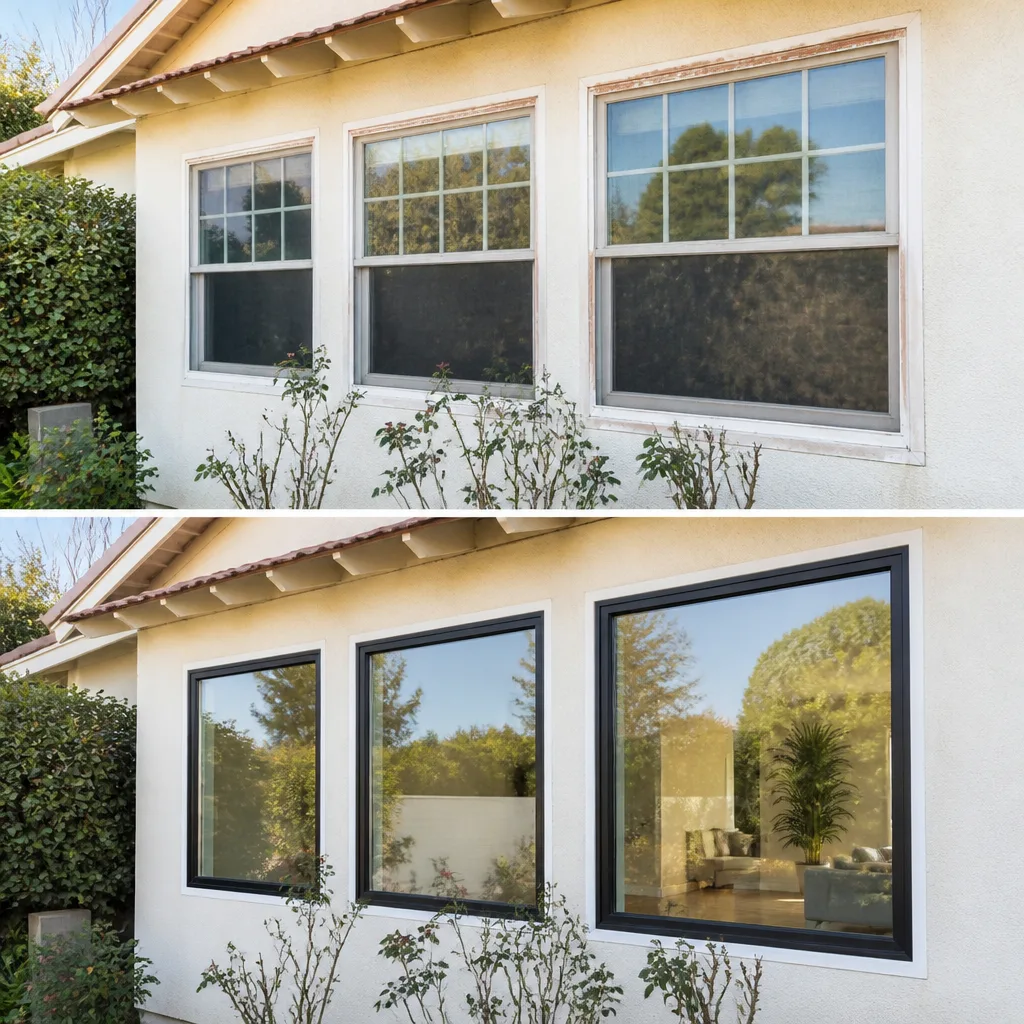
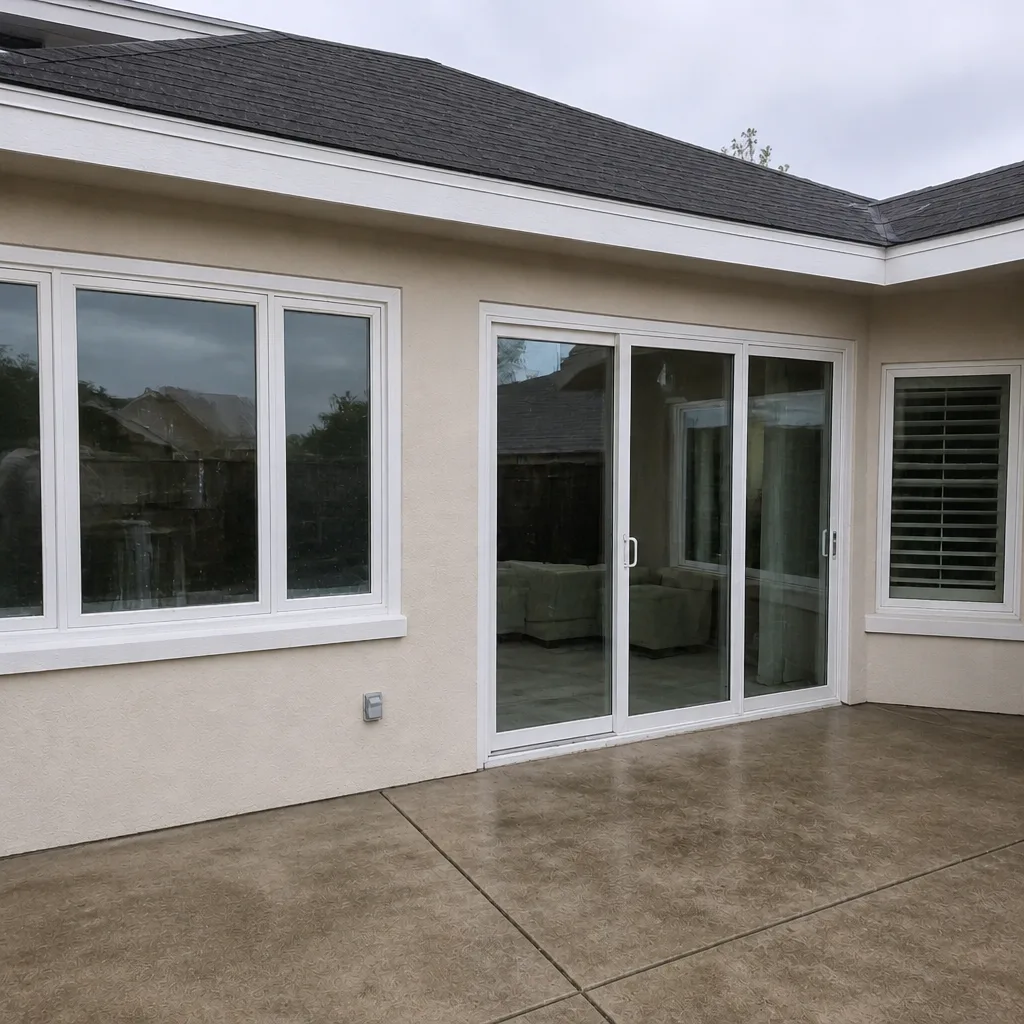
See the difference
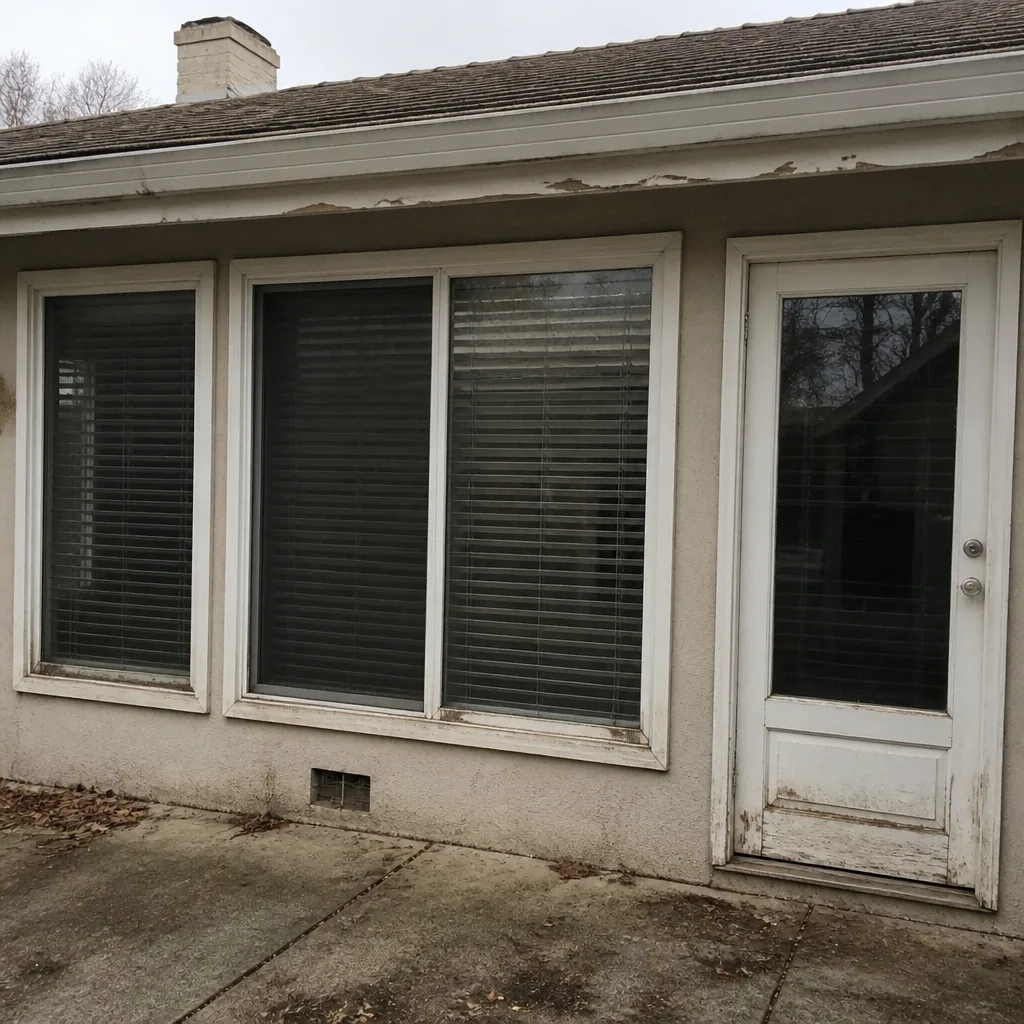 Before
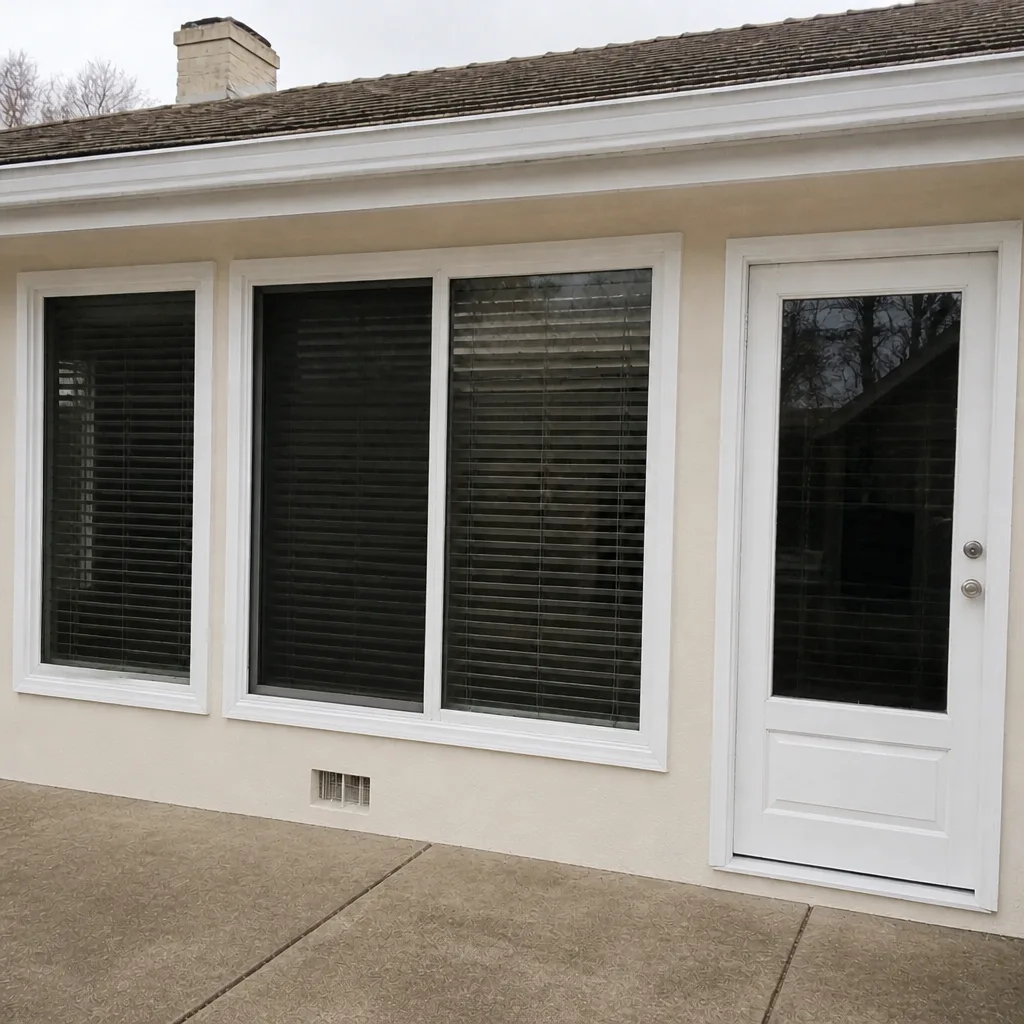 After
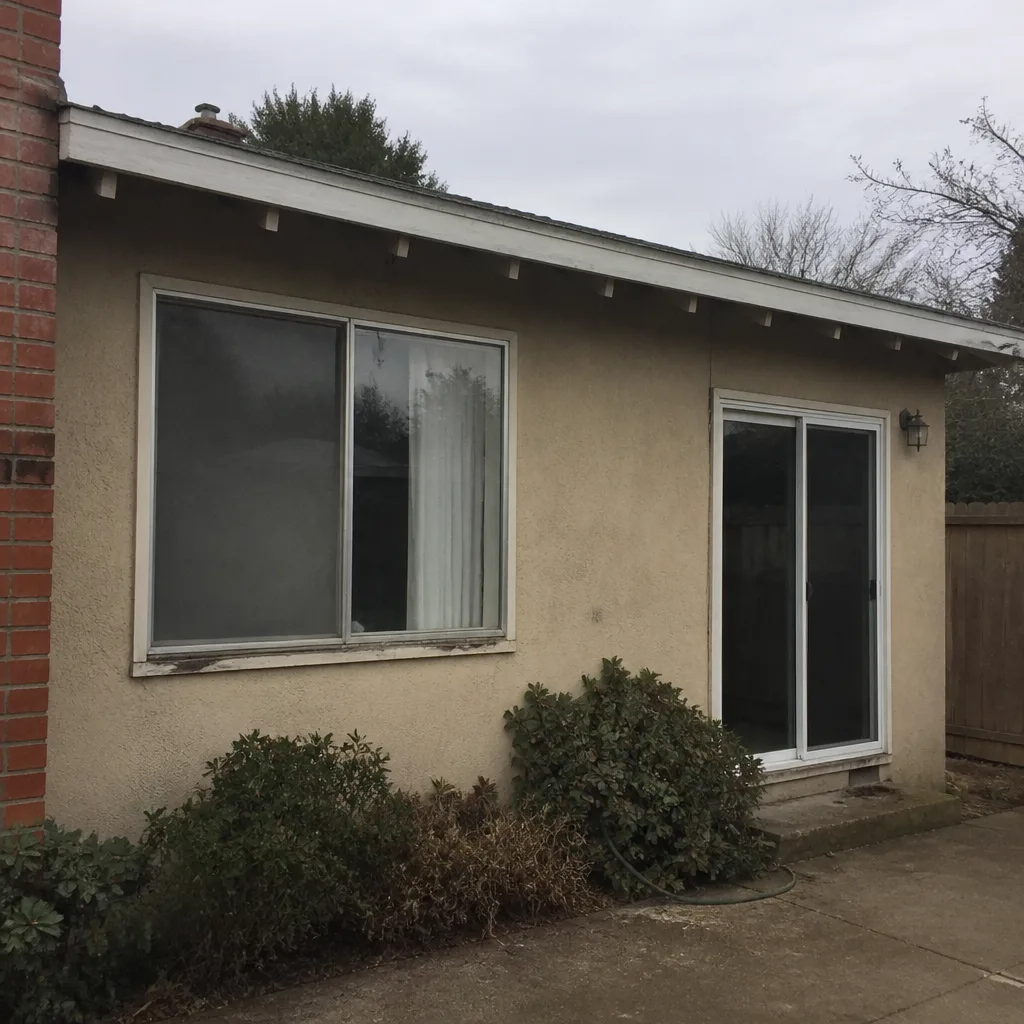 Before
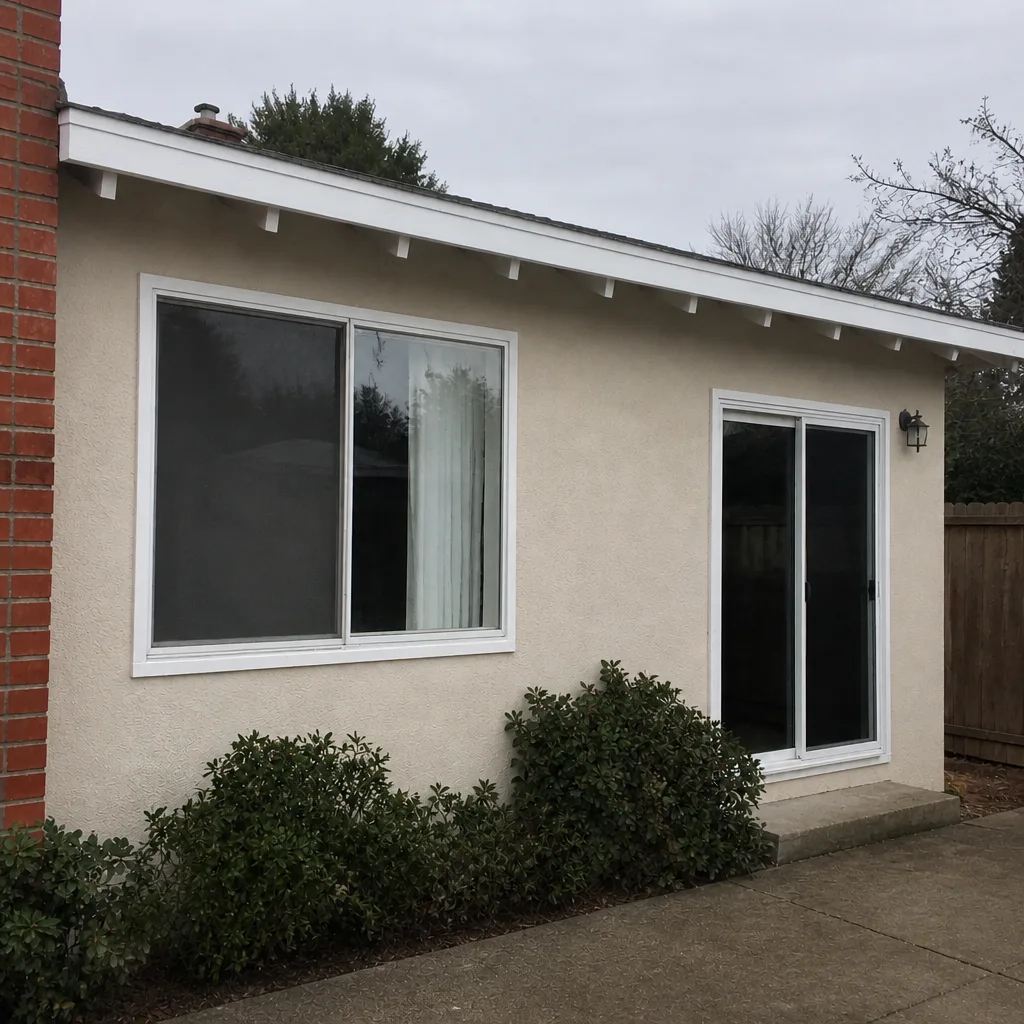 After
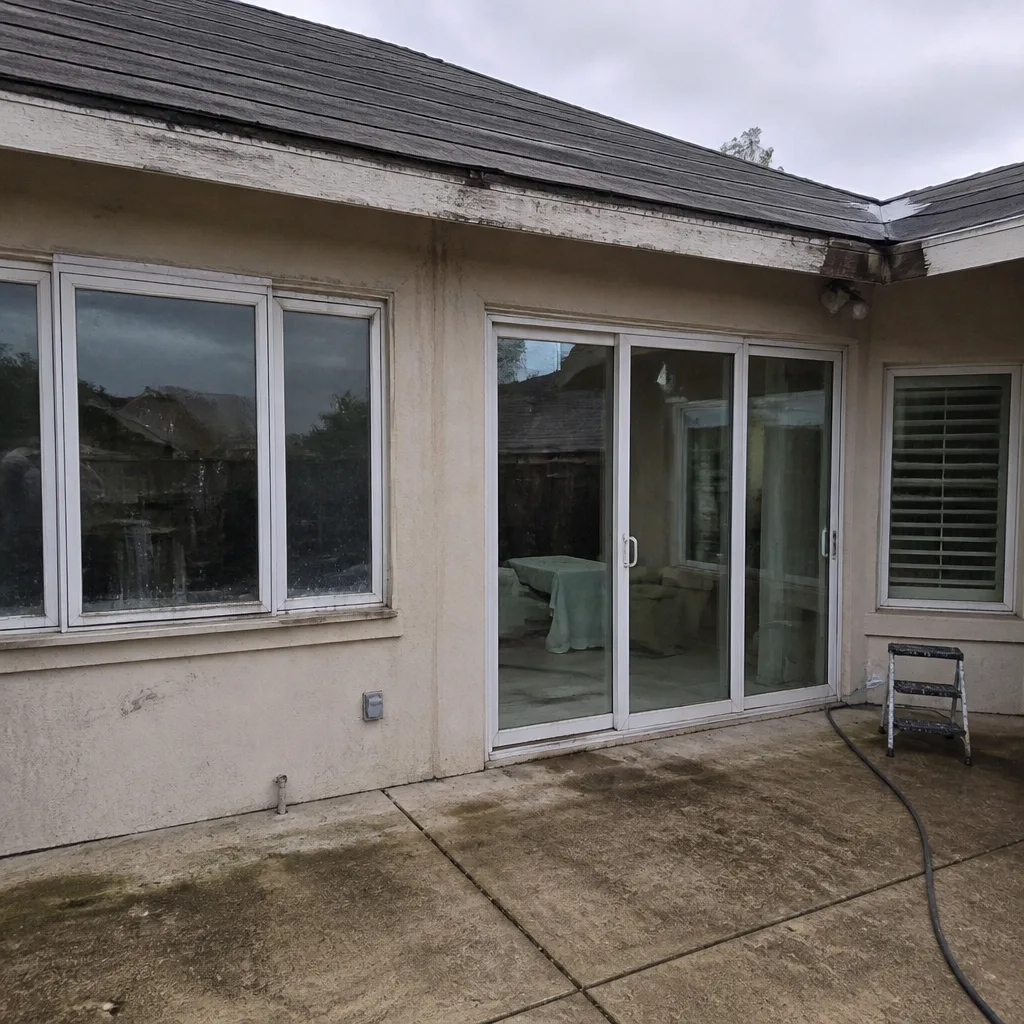 Before
 After
When to Call a Professional
Call a specialist when a quote leaves out a cost layer, when the opening needs structural attention you can’t scope yourself, when your community has HOA finish rules to navigate, or when a door or window opening isn’t standard. Those are the points where a professional estimate saves money and where a poor installation gets expensive.
Windows and doors are the one category where a specialist matters most, because the product choice runs the range from entry-level vinyl to impact-rated fiberglass through PGT and premium lines through Mr-Glass and ViewLux. Whether you’re pricing a whole-house replacement or a single opening, a written, line-item estimate gives you the four cost layers in one document, and that’s the only format worth signing.
Elk Grove Window Replacement offers free estimates in Elk Grove – call (279) 333-8498. Our technicians have up to 13 years of experience, and quotes are written line-by-line with the final price set in writing. Replacement jobs start at three openings.
Frequently Asked Questions
Most window replacements in Elk Grove run roughly $650 to $1,600 per unit installed, depending on product tier, house construction, and whether compliance and stucco work are included. A whole house typically falls between $9,000 and $22,000 for ten to fifteen openings. Call (279) 333-8498 for an exact quote – estimates are free.
Because one quote includes Title 24 documentation and stucco patch work and the other assumes both are out of scope. The product may be identical, but the four cost layers are not. Compare the line items, not the total, and the gap usually explains itself.
Most cities in California require a permit for window replacement, and Title 24 energy documentation applies to the job. Ask your city’s building department to confirm local specifics. A complete estimate includes the permit filing and the compliance paperwork – call (279) 333-8498 to talk through the paperwork side.
It depends on how long you’ll own the home and what the community rules allow. Entry-level vinyl wins on cost per year for short holds and rentals. Premium fiberglass wins over a long hold because of service life, energy performance, and warranty coverage. Run the cost-per-year math on both before deciding.
A complete quote shows product, labor, compliance, and disposal as separate line items. A teaser quote omits one or more of those layers, which makes it look cheaper than it is. If stucco patch, interior trim, or Title 24 documentation is missing, the price doesn’t include the full job.
Sign the quote with all four cost layers present, a fixed final price, and no change-order language. Ask each contractor to show how the product tier, labor scope, compliance, and disposal are priced. If they can’t break it down, the quote isn’t ready to compare – call (279) 333-8498 for a line-item estimate you can hold next to any other.
The Bottom Line
The window and door market in Elk Grove is not a single price. It’s four cost layers stacked on top of each other, and the honest quote shows all four while the teaser quote hides at least one. Product tier, house type, compliance, and disposal are the whole story. Get those four separated in writing and you can compare any two bids on equal terms. The window that wins on paper is the one that wins on cost per year, not the one with the lowest sticker. A specialist who knows the eight-brand landscape will price the four layers honestly, and that’s the quote worth signing.
Written by the team at Elk Grove Window Replacement.