
Last updated November 25, 2026
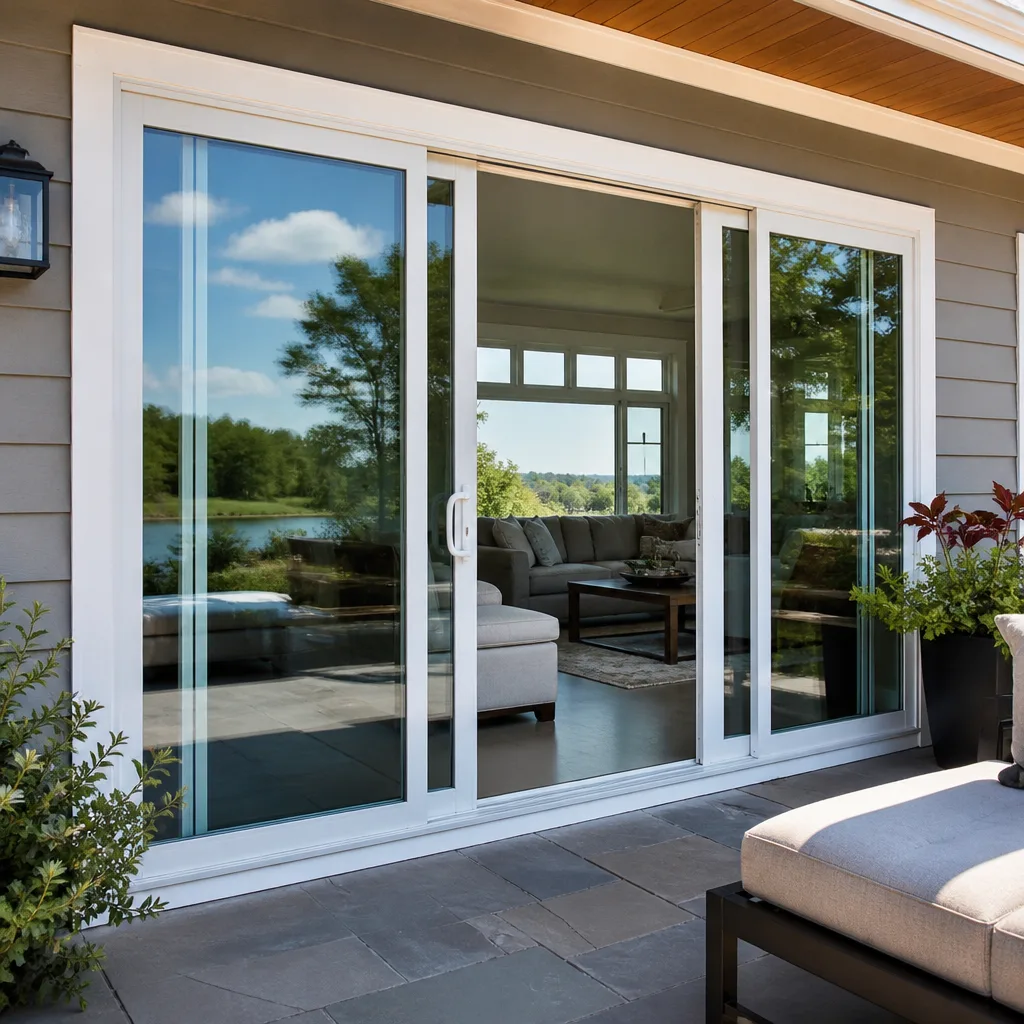 Sliding glass doors
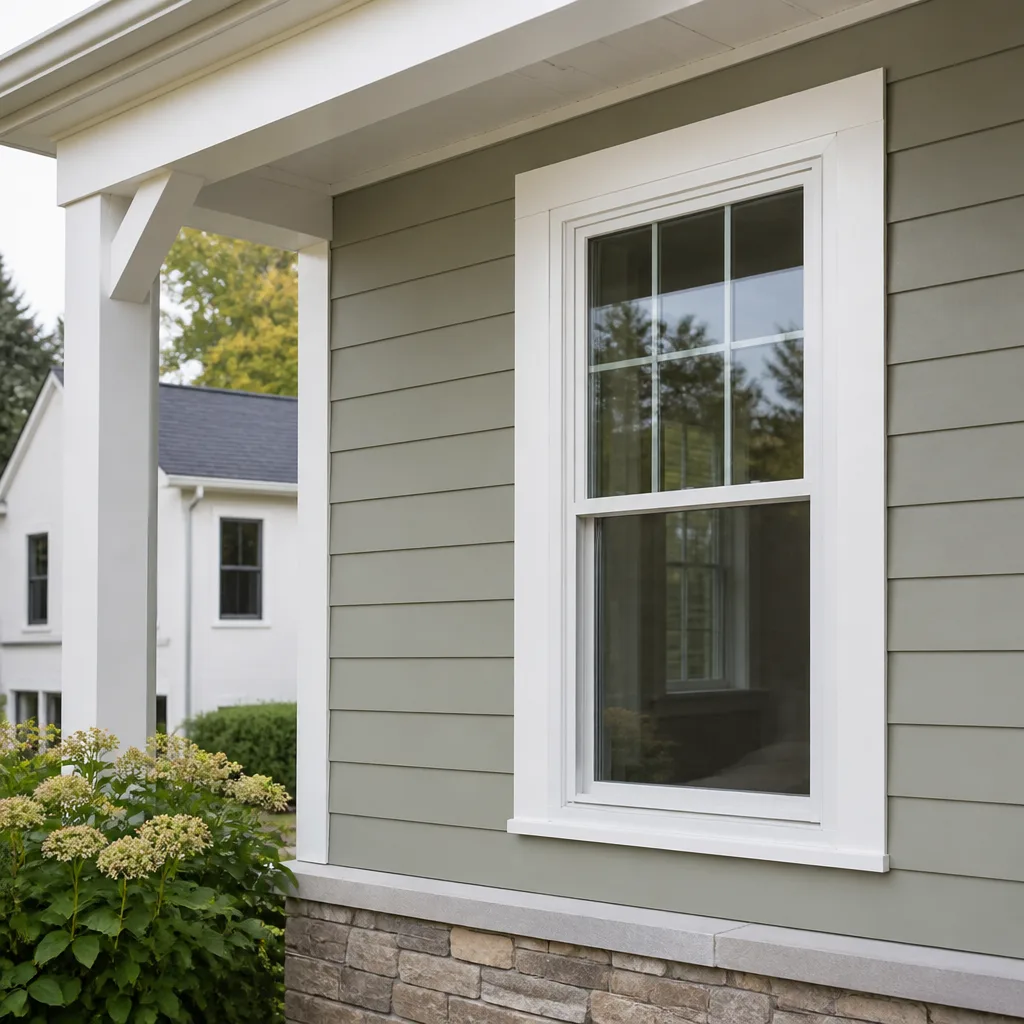 Single hung
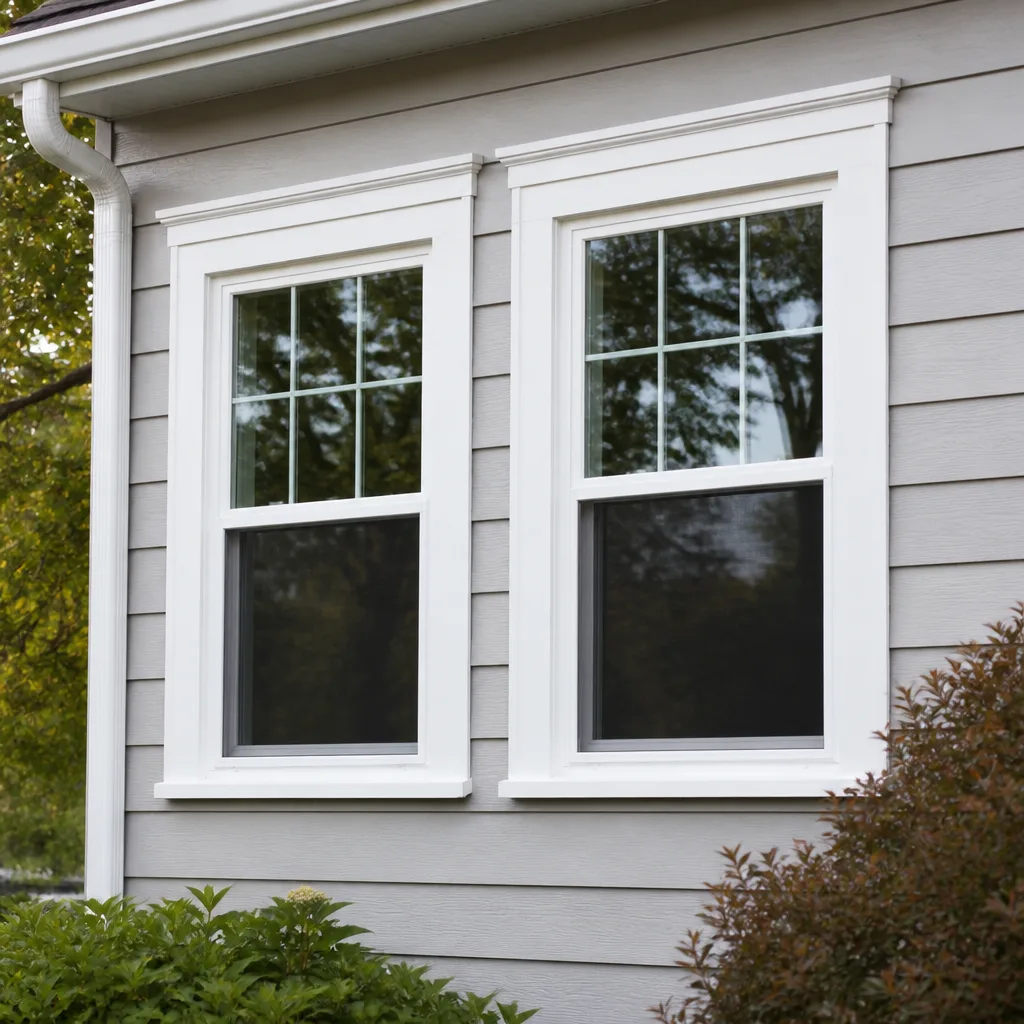 Double hung
 Horizontal roller
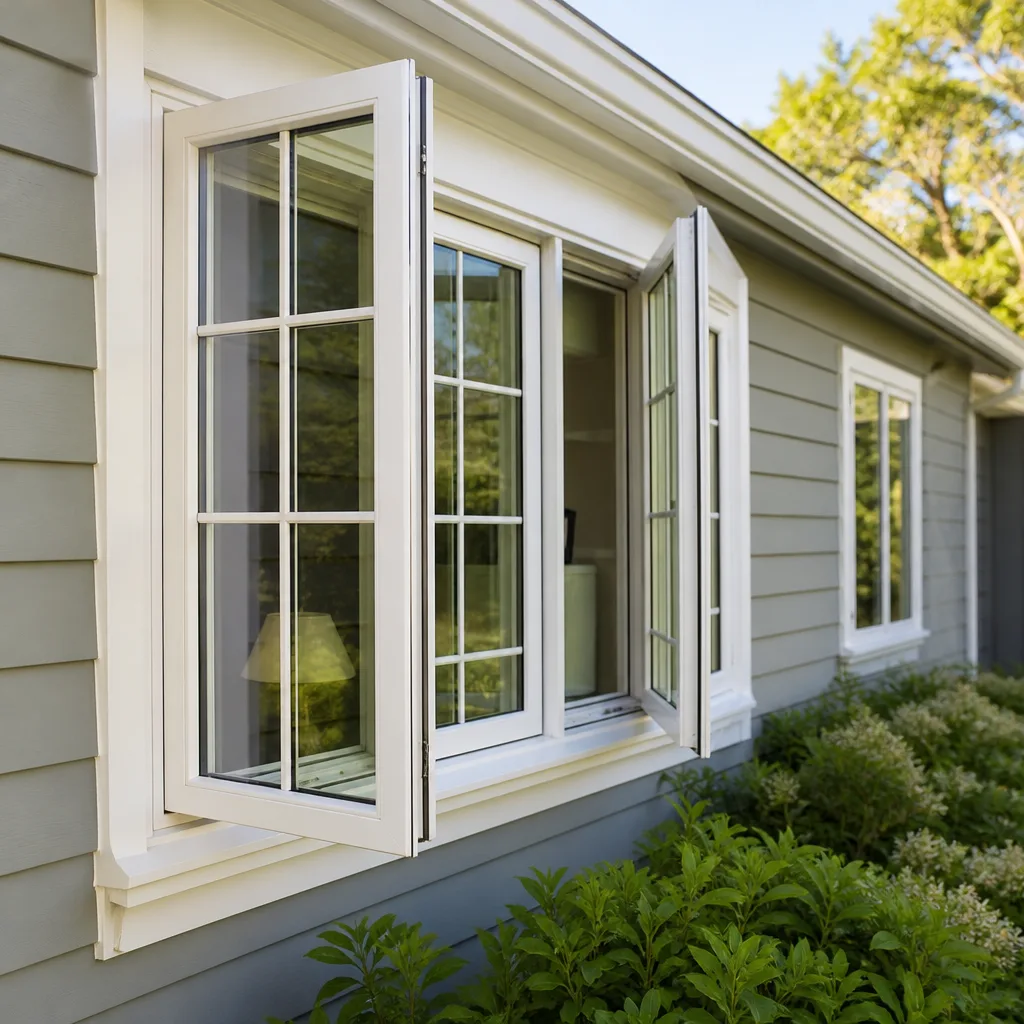 Casement
 Bay & bow
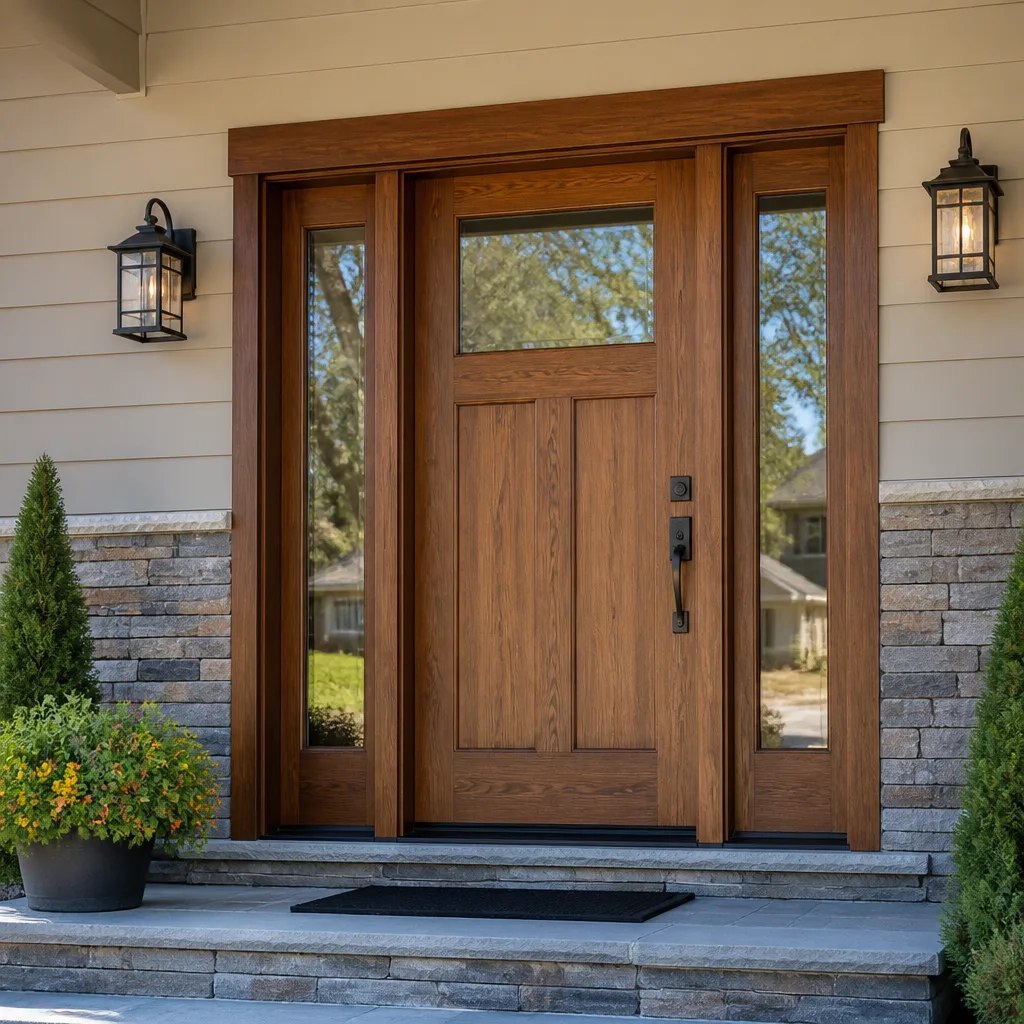 Entry doors
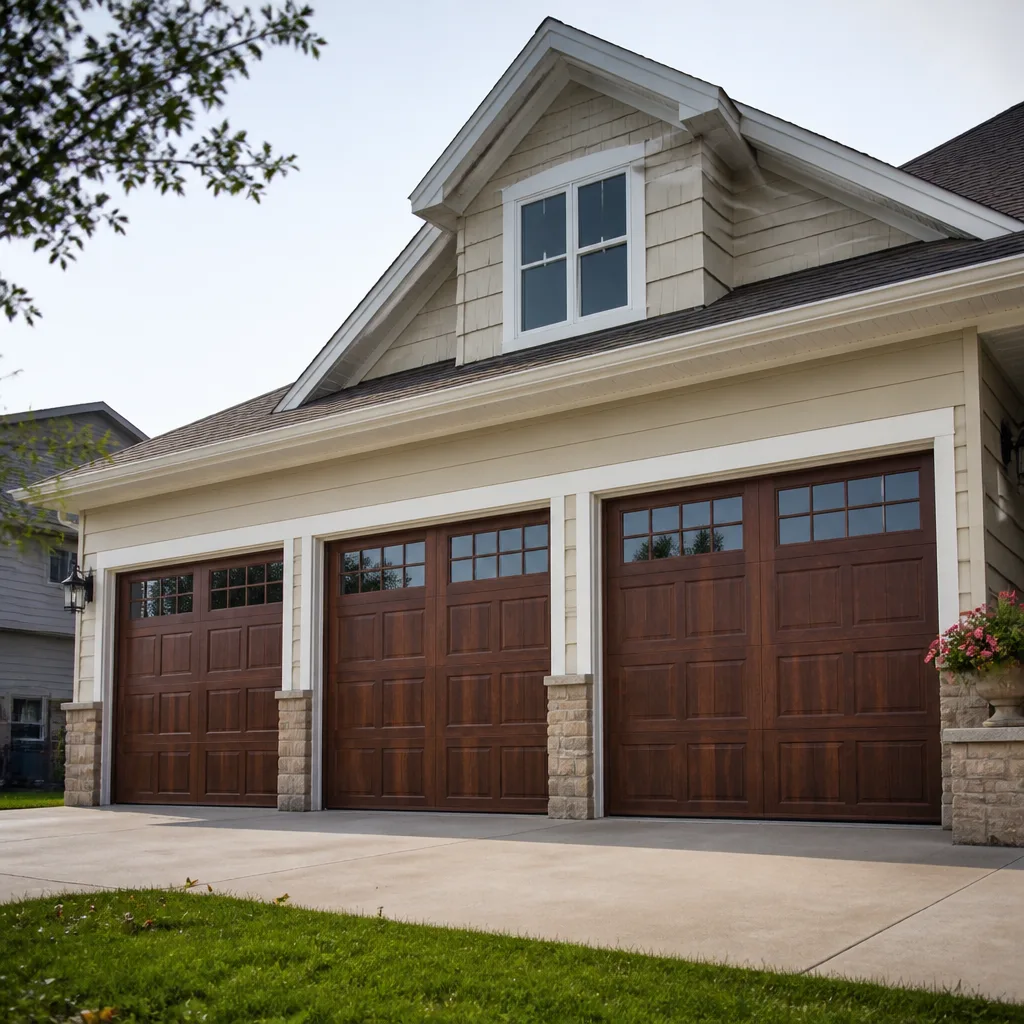 Impact garage doors
 PGT
 CGI
Free in-home measure and quote - PGT, CGI and CWS impact lines compared on your actual openings, style by style
Get your free estimateDIY vs Professional Windows & Doors: The Elk Grove Homeowner’s Decision Guide
Most homeowners in Elk Grove assume the only real difference between a DIY window swap and a professional install is muscle. It isn’t. The bigger gap sits in paperwork, waterproofing at the stucco wall, and what your homeowner’s insurance does when a claim lands on a window no one certified. California’s Title 24 requires that replacement windows installed in Elk Grove meet specific energy performance standards, which means a unit that lacks the right documentation isn’t simply a bad install. It’s an unpermitted improvement you have to disclose when you sell. This guide walks through which scopes are genuinely DIY-viable for an Elk Grove homeowner and which carry liability that dwarfs any labor savings.
Quick Answer
For most Elk Grove homeowners, DIY makes sense on interior trim, hardware, weather-stripping, and screens, but not on full window or door replacement. California’s Title 24 compliance, stucco flashing requirements, and manufacturer warranty terms around professional installation put replacement outside the practical DIY zone for a typical single-family home. The labor you’d save on a replacement is usually smaller than the compliance, water intrusion, and resale risk you’d take on.
Styles & brands we work with
- Single hung
- Double hung
- Horizontal roller
- Casement
- Bay & bow
- Sliding glass doors
- Entry doors
- Impact garage doors
- PGT
- CGI
Table of Contents
- The compliance wall: why Title 24 changes the DIY math in Elk Grove
- Stucco integration risk and the flashing details that matter
- What’s genuinely DIY-viable (and what isn’t)
- How manufacturer warranties define “professional installation”
- The real cost-benefit of labor vs liability
- Choosing the right product still matters more than the install method
- Common mistakes to avoid
- When to call a professional
The compliance wall: why Title 24 changes the DIY math in Elk Grove
California’s Title 24 energy code sets minimum performance requirements for replacement windows and doors, and the way those requirements get documented is through the product’s NFRC rating. NFRC stands for the National Fenestration Rating Council, and its label on a window or door is what a building department uses to confirm the unit actually performs to the level the code requires for that climate zone. In practice, a replacement window that meets code comes with an NFRC sticker on the frame, and the permit record ties that unit’s certified performance numbers to the address.
Here’s where DIY projects tend to stall. A homeowner can buy a compliant window at a supply house. What’s harder to reproduce is the paper trail: a permit pulled under the right classification, an inspection that confirms the unit matches the spec, and the documentation showing the installed product’s certified values. Sacramento County and the City of Elk Grove both process residential window replacement permits, and the inspection stage is where a permit packet without NFRC documentation tends to run into trouble. That’s not a knock on homeowners. It’s how the code is written.
The consequence that surprises people most sits at resale. An unpermitted window replacement is a disclosure item. Real estate agents flag it, buyers ask for documentation, and lenders sometimes push back on non-permitted improvements that touch the envelope. That’s the compliance wall, and it’s the single biggest reason the DIY vs professional question in Elk Grove isn’t really about skill.
If you want to understand how the permit and inspection process is normally handled on a project of this kind, our window installation page covers the sequence in detail.
Stucco integration risk and the flashing details that matter
Most homes in Elk Grove are stucco over sheathing, and stucco is the reason a window replacement is more involved than the word “replacement” implies. A window doesn’t sit in the wall; it sits behind a weather-resistive barrier and a flashing system that routes water out and away. Get the sequence wrong and water gets behind the stucco, where it can sit for years before anyone sees it.
Three details matter most at a stucco wall:
- The weather-resistive barrier (WRB). The housewrap or building paper behind the stucco has to be integrated with the window’s nailing flange so water running down the wall can’t get behind it.
- Pan flashing and sill detail. The bottom of the opening has to shed water outward, with the sill set to drain.
- Head flashing and the stucco stop. The top of the opening needs a metal flashing that laps over the stucco stop, not one that sits behind it.
When one of those details is off, you don’t find out on a dry afternoon. You find out after a few winter storms, and by then the damage sits inside the wall cavity where nobody’s looking. In our experience, the callbacks on DIY installations almost never start with “the window looks bad.” They start with a soft patch of drywall near the frame or a bubble in the paint.
Repairing water damage behind a stucco wall is expensive, and it’s the kind of repair that often triggers an insurance conversation. That conversation usually goes better when there’s a permitted, professionally installed window with documentation to point to. If you’re weighing the doors that connect to an exterior wall – sliding patio doors, principal entry doors – the flashing details are the same story, just a different opening. Our door replacement page covers the exterior door variant of this.
What’s genuinely DIY-viable (and what isn’t)
There’s a real DIY zone on a window and door project. It just doesn’t extend as far as most homeowners hope. Here’s a practical breakdown of the work a confident homeowner can handle safely versus the work that belongs to a professional.
Genuinely DIY-viable (interior and cosmetic):
- Interior casing and trim. Replacing or refinishing the interior trim around a newly installed window is straightforward carpentry – measuring, cutting, and painting.
- Hardware swaps. Handle sets, locks, and hinges on doors are quick swaps with basic tools. So are sash locks on single-hung windows.
- Weather-stripping replacement. Worn foam or bulb weather-stripping on a door frame is a ten-minute job with a clean channel and the right gauge.
- Screen inserts. New screen material in an existing frame, or dropping in a fresh screen insert, is comfortably within reach.
- Painting and staining. Exterior trim paint or interior casing finish is cosmetic and easy to touch up.
Not DIY-viable for a typical Elk Grove home:
- Full window or door replacement. Pulling an existing unit, integrating flashing, setting the new unit, and closing the opening correctly requires the permit and inspection in most cases.
- Any work that opens the stucco wall. Once the stucco is cut, the WRB integration has to be right the first time. There’s no cosmetic repair that hides a water management mistake.
- Sliding door replacement. The rough opening, sill pan, and track alignment on a sliding door are unforgiving. A door that’s a quarter-inch out of square leaks.
- Entry door replacement. A principal entry door on a stucco wall is a heavier, more carefully flashed version of the same problem.
- Anything that requires a permit or inspection. Without documentation, you’re building a resale issue for later.
The boundary is simple: product work and installation work belong to a specialist, and the cosmetic and hardware work around the edges is genuinely yours.
How manufacturer warranties define “professional installation”
Almost every residential window and door warranty has a clause that hinges on professional installation. It’s usually written as a condition of the coverage: the product’s warranty applies when the unit is installed by a qualified professional in accordance with the manufacturer’s installation instructions and applicable building codes. If a homeowner installs it themselves and the failure traces back to the installation, the warranty on the product often still stands, but the labor and water damage coverage almost always falls away.
That distinction matters because the failure most likely to happen on a window in Elk Grove is water intrusion, not glass failure. If a seal fails and water gets behind the stucco, the manufacturer will look at the install. If the install wasn’t done to their spec, the claim stalls. From there, your homeowner’s policy becomes the fallback, and the insurer will ask the same questions: who installed it, was it permitted, and does the water damage trace to work that was done properly.
In our experience, the insurance side of a water damage claim is paperwork as much as it’s coverage. A permit record, an installation spec sheet, and a professional installer named on the paperwork make that claim go smoother. Impact-rated products are worth raising here because they add a second layer of insurer interest: brands like PGT and CGI build impact windows and doors to high-wind performance standards, and some carriers treat documented impact-rated installations as a different risk category. We can’t promise a specific premium outcome, but the product and the paperwork both point in the same direction.
This is one of the reasons our shop focuses only on windows and doors. Every technician we connect you with works exclusively in this trade – no split attention across kitchens, roofs, or general remodels. If a warranty claim or an inspection question surfaces two years later, the answer is coming from someone who does this every day.
The real cost-benefit of labor vs liability
Here’s the honest version of the “is DIY worth it” math. The labor component of a professional window replacement is usually a smaller share of the total cost than homeowners expect, and the liability exposure of a DIY replacement is larger than they imagine. That’s the asymmetry this whole guide turns on.
Typical cost ranges for professional window replacement on an Elk Grove home tend to fall in these bands. These are estimates only; a written line-item quote sets the actual price.
- Standard vinyl replacement window (per unit, labor included): roughly $550-$950
- Energy-efficient upgrade (per unit, labor included): roughly $750-$1,250
- Impact-rated window (per unit, labor included): roughly $1,000-$1,800
- Sliding door replacement (per unit, labor included): roughly $1,800-$3,500
- Entry door replacement (per unit, labor included): roughly $1,200-$3,200
Break a standard window’s $550-$950 down and the product alone is often more than half of that. The labor, flashing, permit, and disposal component usually lands closer to $250-$450 per unit. That’s the number you’re “saving” by going DIY. Compare it to the cost of repairing water damage behind a stucco wall – often thousands of dollars depending on how much of the wall has to come open – and the size of the wager becomes clear.
The full replacement scope in our trade spans multiple brands and product tiers, and the right pick depends on your home, your goals, and how much of the job is envelope work versus cosmetic. Our window replacement page covers the product landscape at a level of detail that’s useful before you decide on a scope. We also want to be straightforward about a policy: we take window and door replacement or installation projects of three openings or more. If you’re evaluating a single-unit swap, we’re not the right fit and we’ll say so.
Choosing the right product still matters more than the install method
The install method matters, but the product you choose underneath it determines how well a home performs for the next twenty years. This is the other half of the decision, and it’s where most of the useful thinking actually goes.
We supply and install from eight manufacturer brands – PGT, CGI, CWS, ES Windows, ECO Window Systems, Mr-Glass, Therma-Tru, and ViewLux – and the reason for the range is that no single product fits every Elk Grove home. An energy-focused household and a storm-hardening household end up with different windows even if the houses look similar.
Three lines worth knowing about:
- Energy performance. ECO Window Systems and ES Windows are the lines homeowners usually land on when the goal is reducing heat transfer and lowering utility costs. Both carry product tiers that can pair with efficiency-driven rebate programs where those apply.
- Impact performance. PGT and CGI build impact-rated windows and doors engineered for high-wind events. If storm hardening is part of the plan, this is where the conversation starts.
- Entry doors. Therma-Tru is one of the most recognized residential door brands, and it’s our usual starting point for entry door replacement. ViewLux rounds out the portfolio for homeowners who want a different look without stepping outside the trade.
Notice what’s absent from that list: no single “recommended” brand. We’re authorized to supply and install from all eight, so the recommendation follows your home, not whatever a single-brand dealer happens to stock that month. Our technicians have up to 13 years of experience in this trade, and in that time the pattern is consistent – the right window on a stucco wall beats the “best” window on a wall where nothing was done correctly.
Common Mistakes to Avoid
- Pulling a permit after the install. Elk Grove permits are meant to be issued before the work starts, not retroactively. If you’re thinking about a swap, ask the City of Elk Grove’s building department about the process before you cut anything.
- Skipping the NFRC label check. A replacement unit has to carry its NFRC rating to be code-compliant for California’s climate zone. Confirm the label before you buy, not after.
- Flashing the head of a stucco opening incorrectly. The most common stucco mistake sits at the head of the opening, where the metal flashing has to lap over the stucco stop rather than behind it. Water running down the wall finds that spot first.
- Assuming the manufacturer warranty covers DIY installs. Most warranties cover the product but drop the installation portion when a professional didn’t do the work. Read the installation clause before you decide.
- Buying one window at a time with no plan. Window styles change and product lines are updated. A house replaced in phases by two different generations of the same brand can end up with mismatched sightlines and different performance values.
- Ignoring the interior trim scope. The drywall and trim work around a new window is often where a homeowner adds the most value with their own time. Skipping it to “save money” pushes painters and a finish carpenter into the professional scope, which erases the savings.
- Treating doors as a window-adjacent afterthought. A sliding door or entry door is a bigger envelope risk than a window because the opening is larger and lower to the ground. If you’re planning a whole-home upgrade, include the doors in the same scope.
When to Call a Professional
Call a professional when the job involves an actual opening in a stucco or sheathed wall, when a permit is required, when the product is a door (especially a sliding or entry door), when the installation touches the weather-resistive barrier, or when any portion of the job could plausibly end up in an insurance claim. Those are the scenarios where the DIY savings evaporate against the liability. If your project is a single-unit cosmetic refresh with no opening work, you’re probably fine on your own.
Elk Grove Window Replacement offers free estimates in Elk Grove – call (279) 333-8498. The visit is a chance to walk through the compliance questions, the flashing detail on your specific walls, and which of the eight brands fits your home. No pressure, no expectation that you’ve already decided.
See the difference
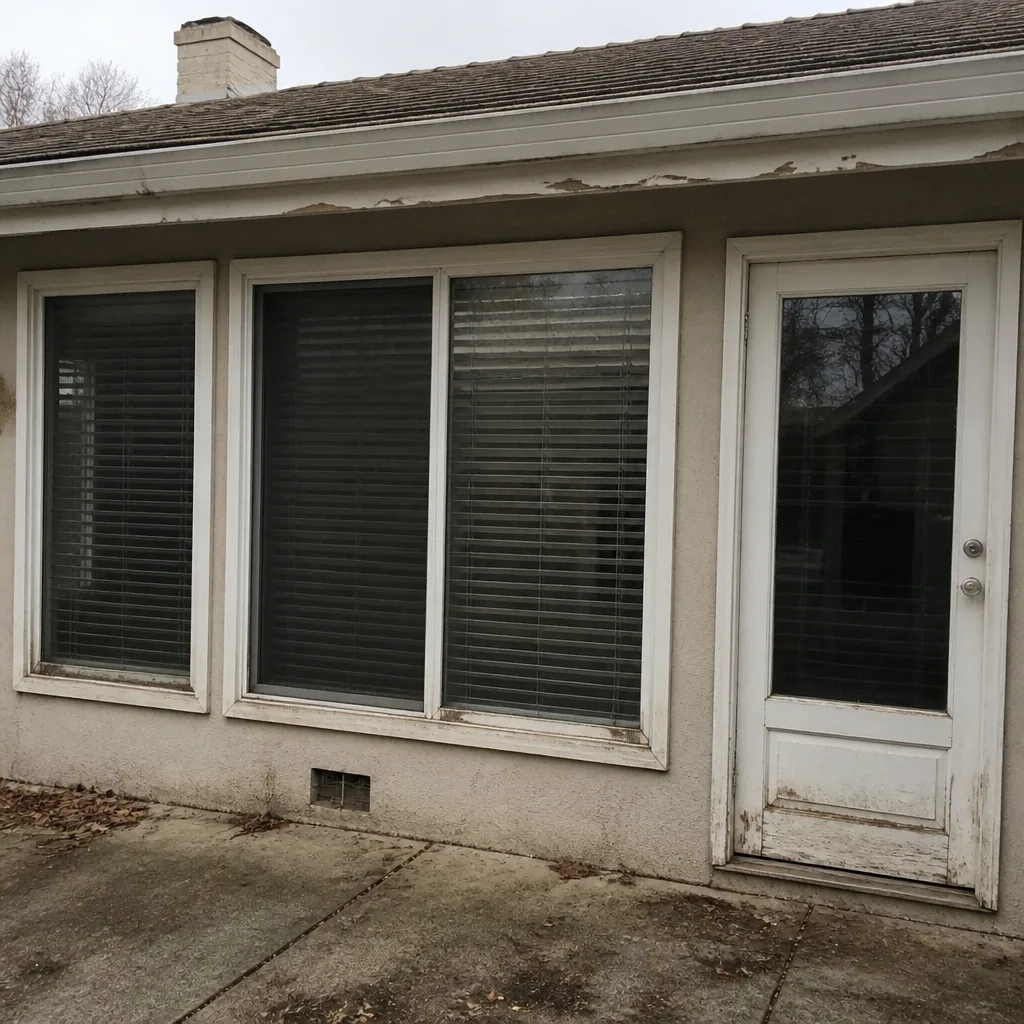 Before
 After
 Before
 After
 Before
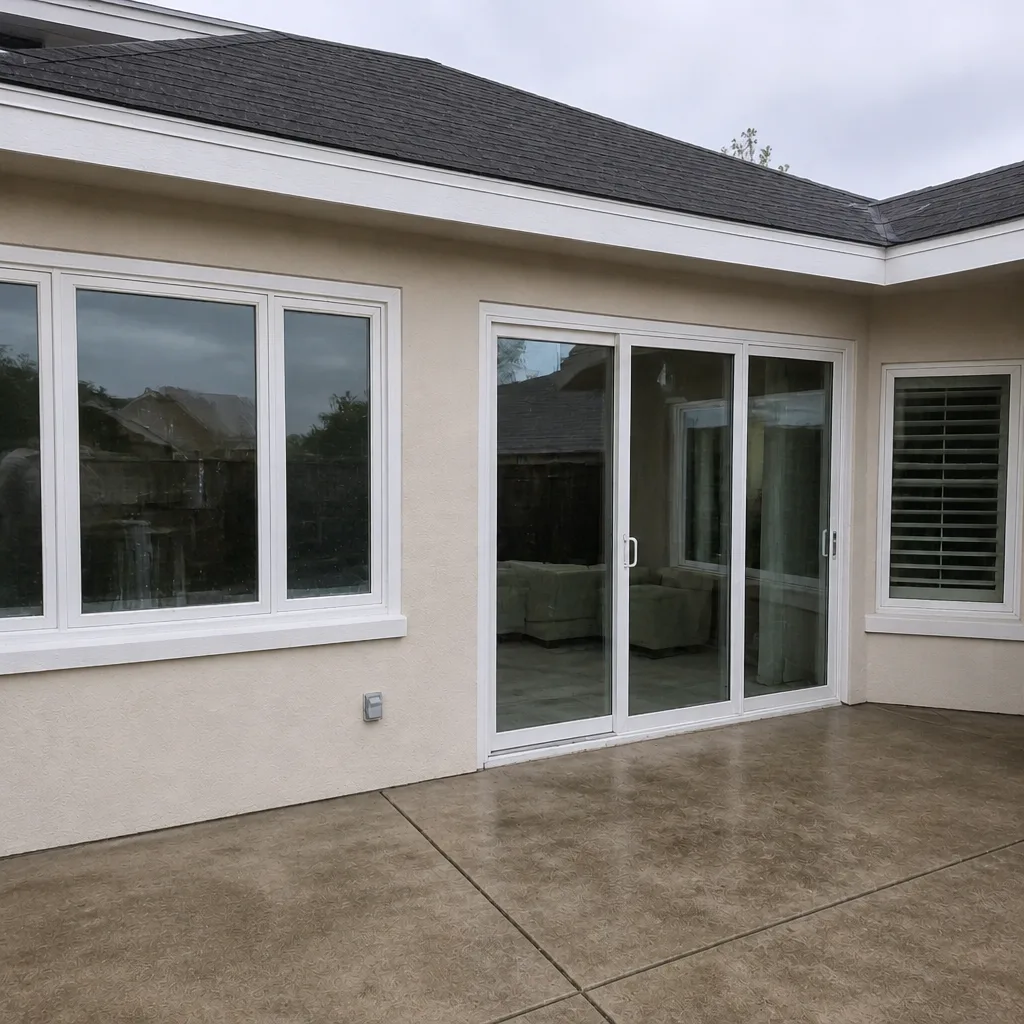 After
Frequently Asked Questions
It’s legal for a homeowner to do replacement work on their own home in many cases, but the project still has to be permitted and inspected, and the replacement unit has to meet California’s Title 24 energy performance requirements for that climate zone. The compliance burden is what makes DIY legally workable on paper and risky in practice. If you’re not sure how your project would be classified, call (279) 333-8498 and we’ll walk through it.
Title 24 is California’s energy code, and it sets performance requirements for replacement windows and doors based on the climate zone the home sits in. The unit you install has to meet those requirements, and its NFRC rating is how the building department confirms it. A window that isn’t documented to that standard can’t be permitted as a compliant replacement.
That depends entirely on your policy and how the claim is framed. Most policies look at whether the damage resulted from a covered peril versus faulty workmanship, and faulty installation is often excluded. A permitted, professionally installed window with documentation goes into that claim process in a much stronger position.
In some cases, yes, but you have to line up the permit, the inspection, and an installer willing to work on a product they didn’t supply. Most professional installers stand behind the product they supply because that’s what their warranty relationships depend on. Call (279) 333-8498 to talk through how we handle supply and install as a single scope.
The labor, flashing, permit, and disposal component of a standard window replacement typically lands around $250-$450 per unit, with total unit costs ranging from roughly $550 for a standard vinyl window up to roughly $1,800 for an impact-rated unit. These are estimates; a written line-item quote sets the actual price for your home. Call (279) 333-8498 for a free estimate.
Yes, sliding door replacement almost always requires a permit because it’s a change to the building envelope and the opening. The permit process also verifies that the door meets energy performance requirements, which a supply-house purchase alone won’t do. If you’re replacing a sliding door and want to understand the scope before you decide, our Elk Grove Window Replacement page is the right starting point.
The Bottom Line
The DIY window and door question in Elk Grove isn’t really about whether you can physically set a window. It’s about whether you can navigate Title 24 documentation, integrate stucco flashing correctly the first time, and produce the paperwork your insurance and your future buyers will want. Do the cosmetic work yourself – trim, hardware, weather-stripping, screens – because that’s where the savings are real. Leave the opening, the permit, and the flashing to a specialist, because the labor you’d save is small next to the liability you’d take on. Call Elk Grove Window Replacement at (279) 333-8498 for a free estimate and a written line-item quote before you decide.
Written by the team at Elk Grove Window Replacement.