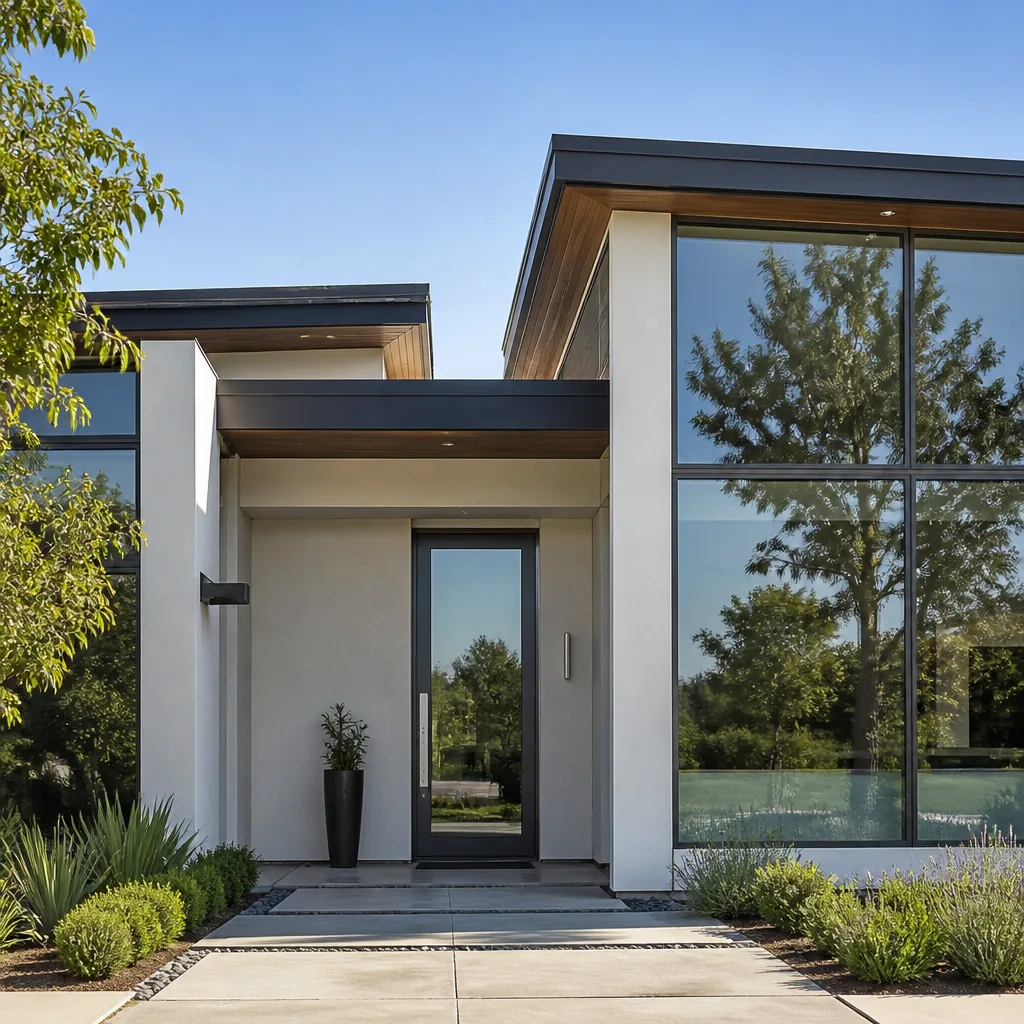
Last updated November 25, 2026
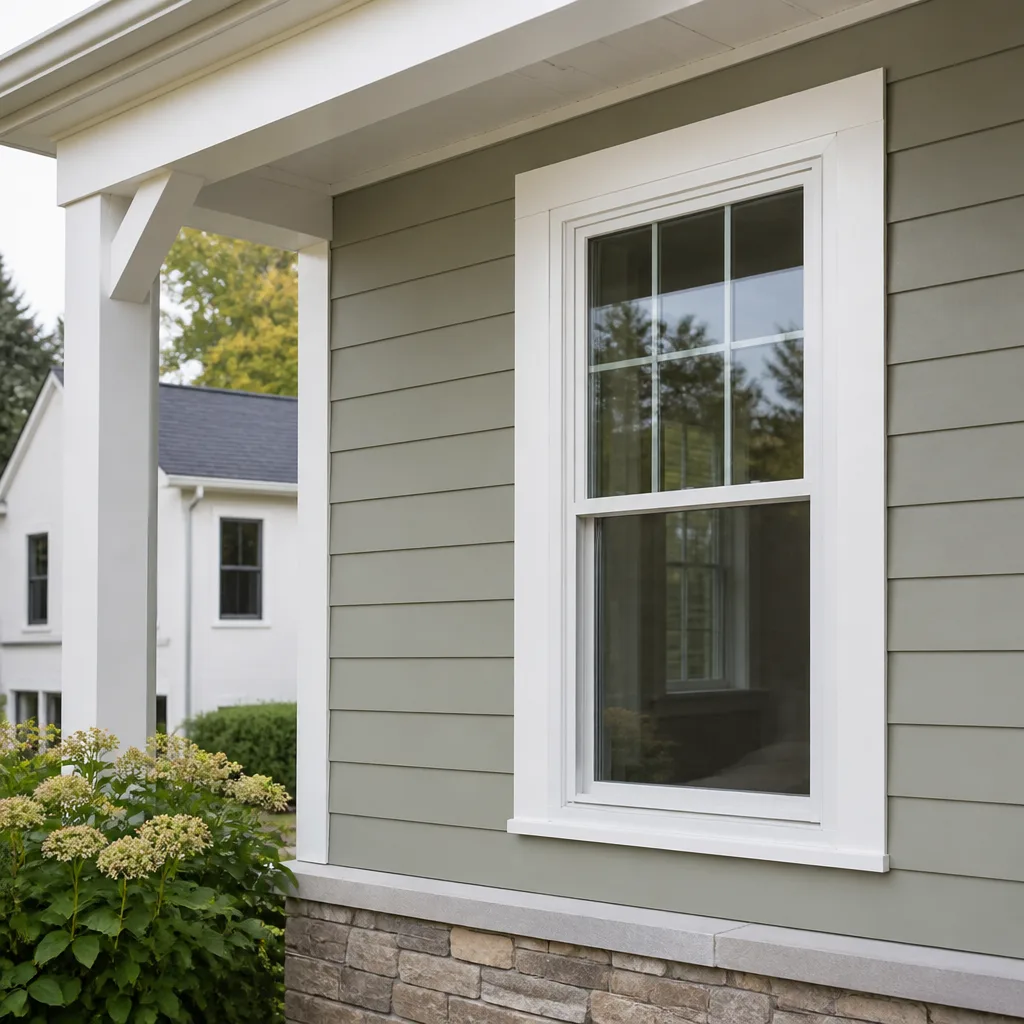 Single hung
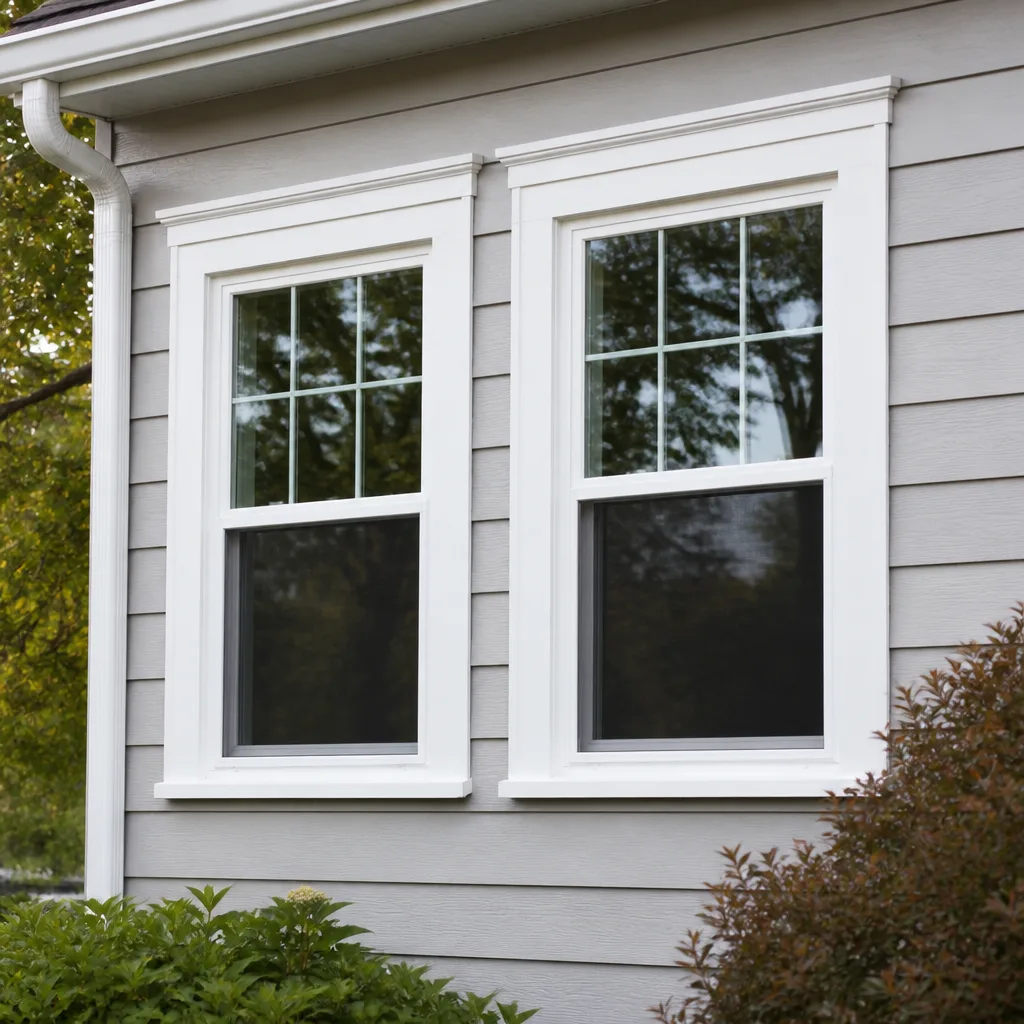 Double hung
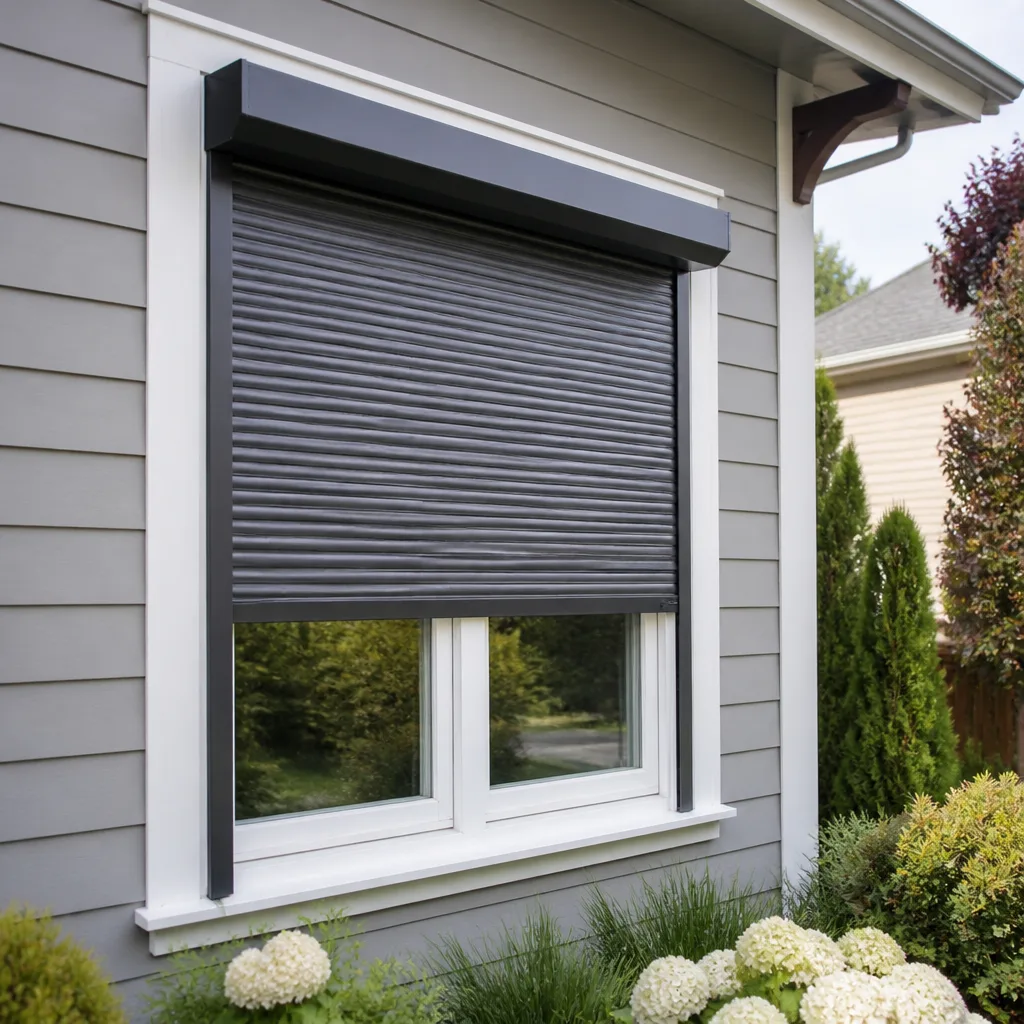 Horizontal roller
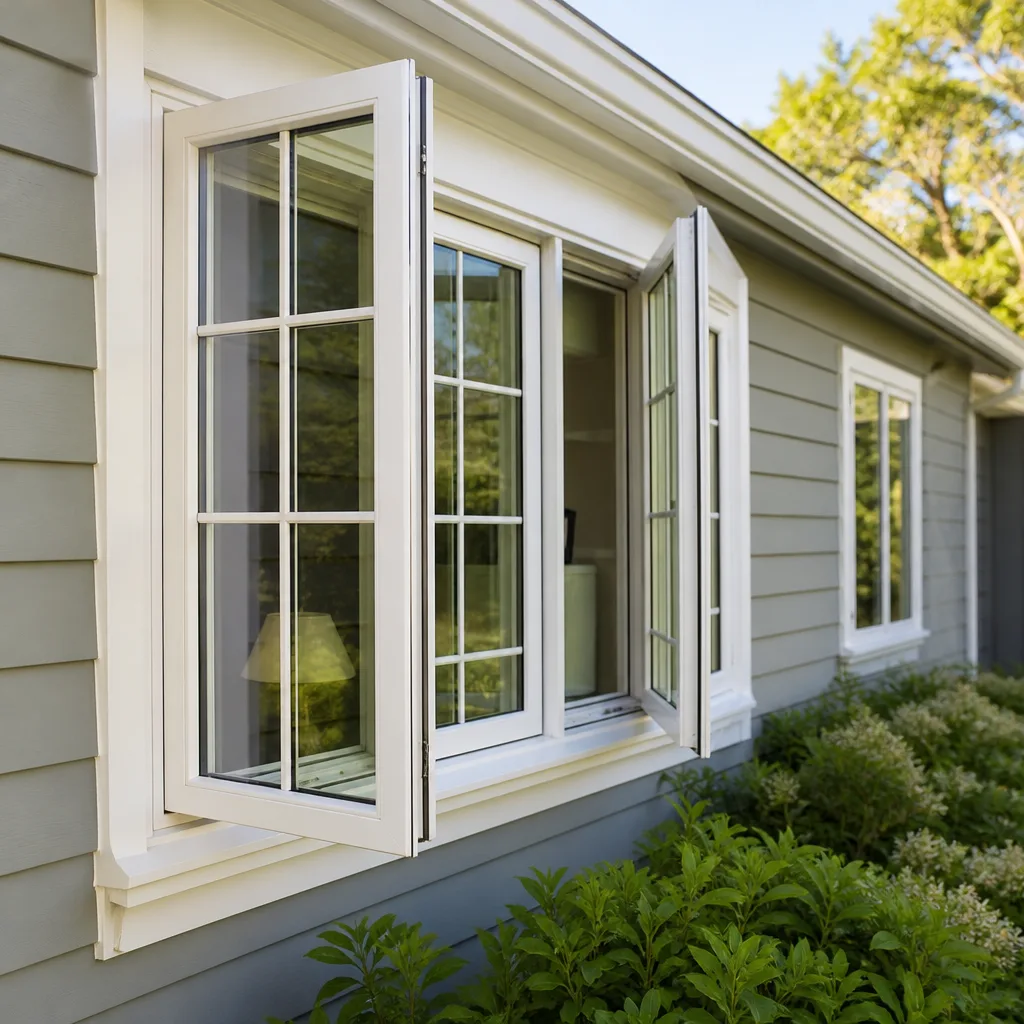 Casement
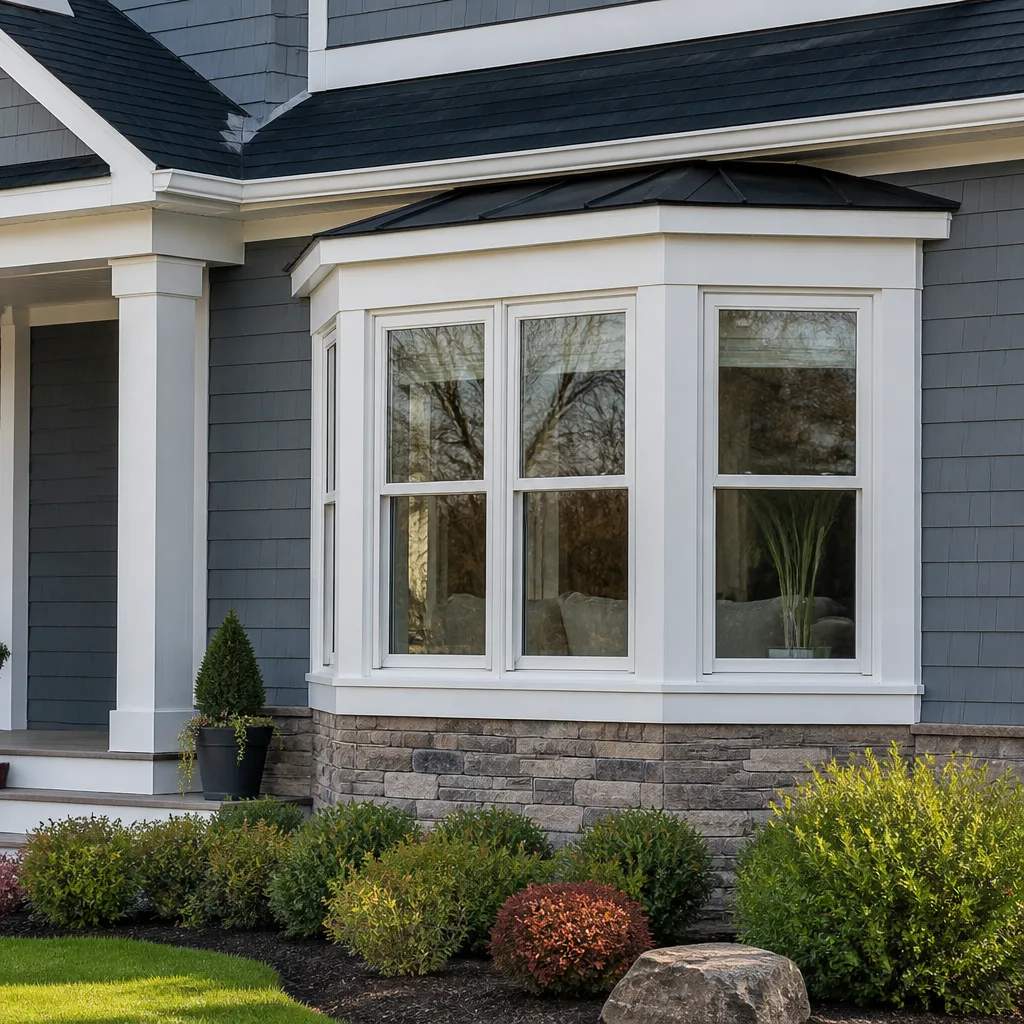 Bay & bow
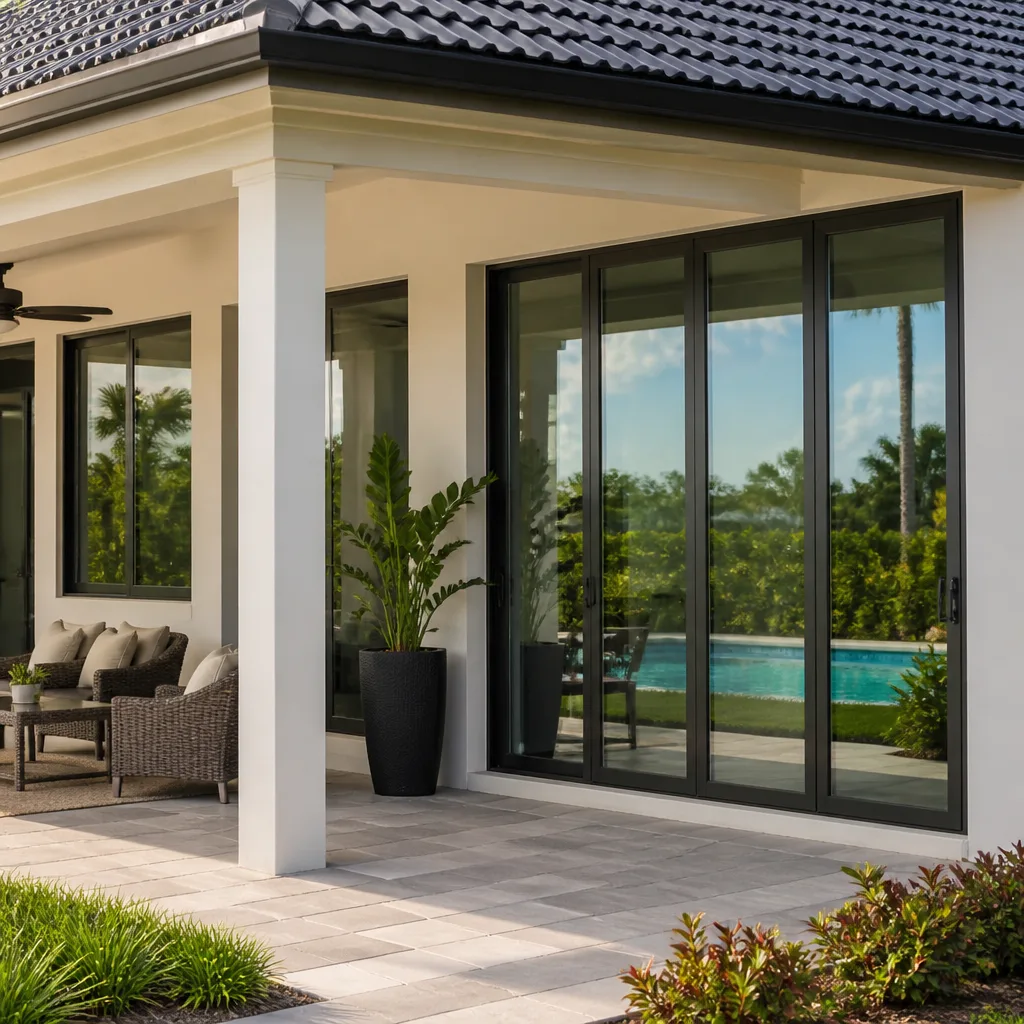
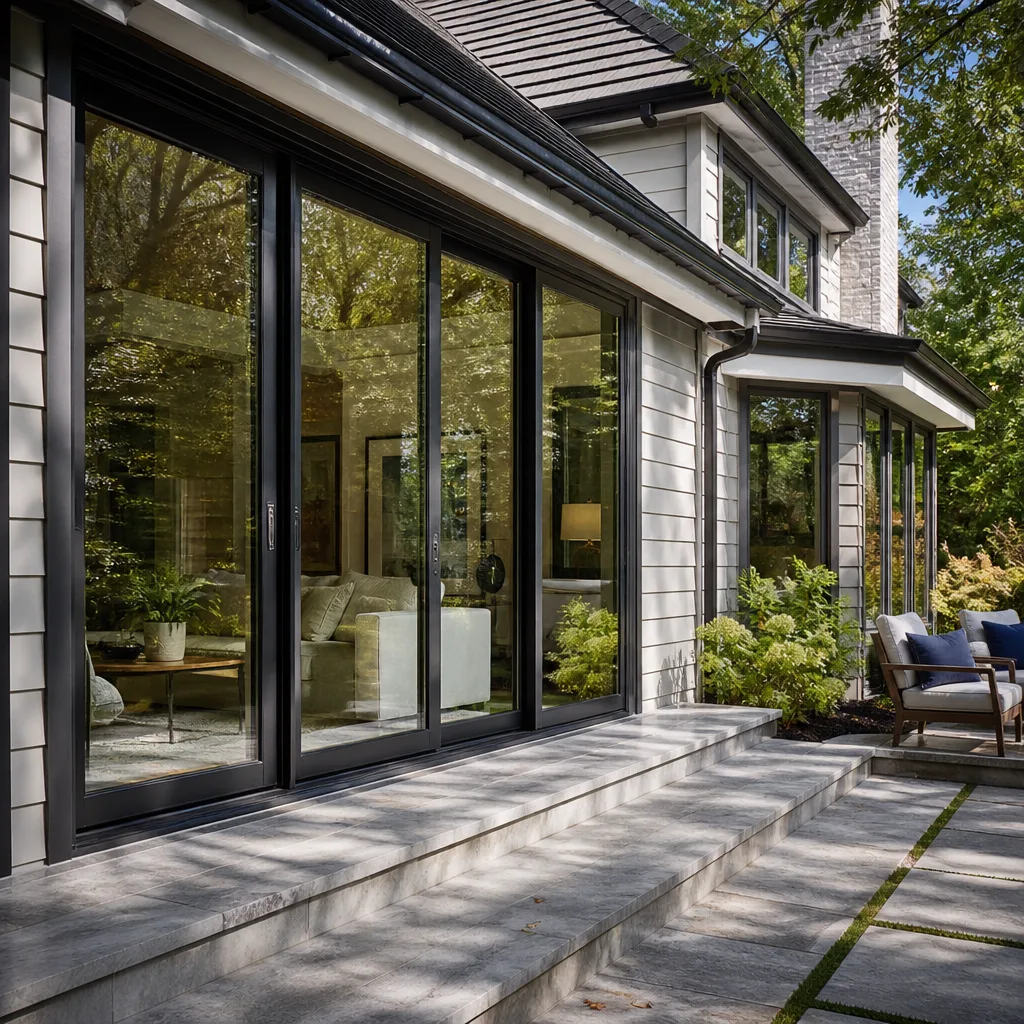
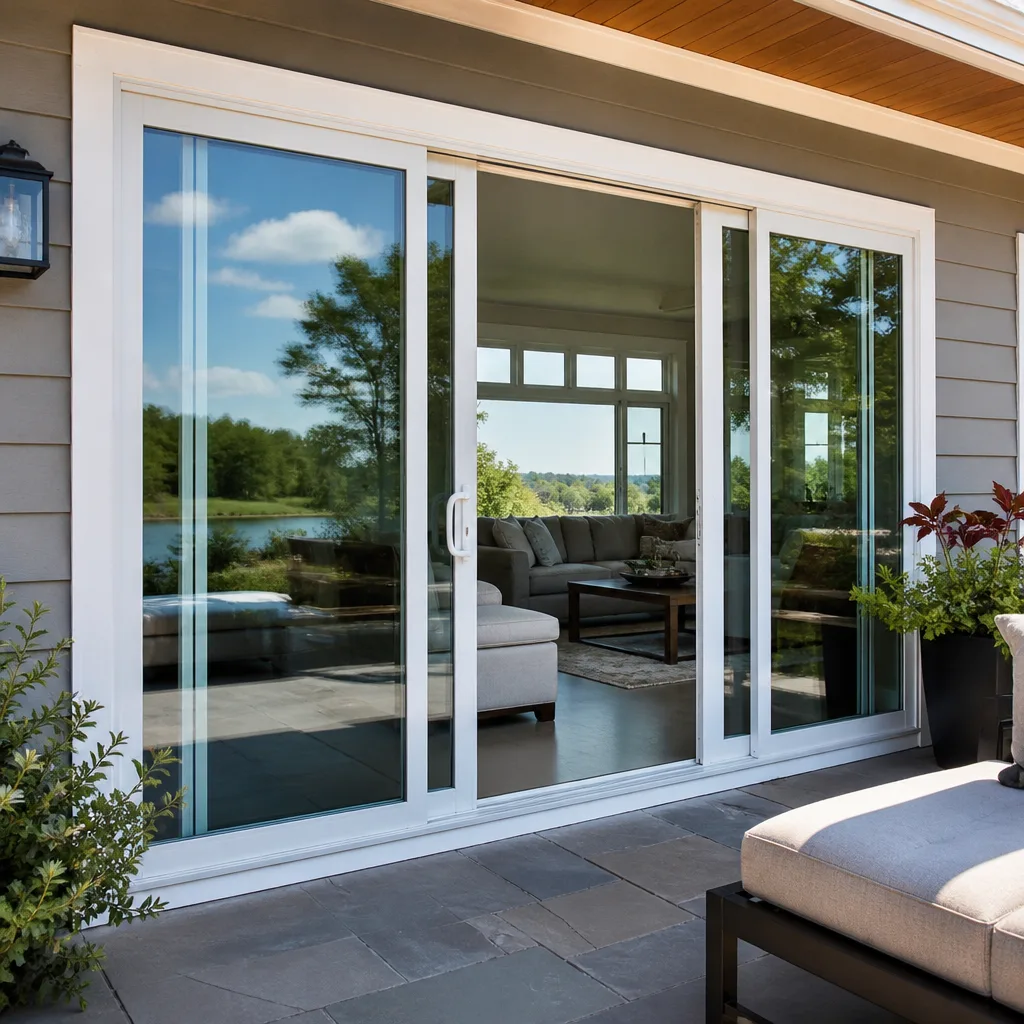 Sliding glass doors
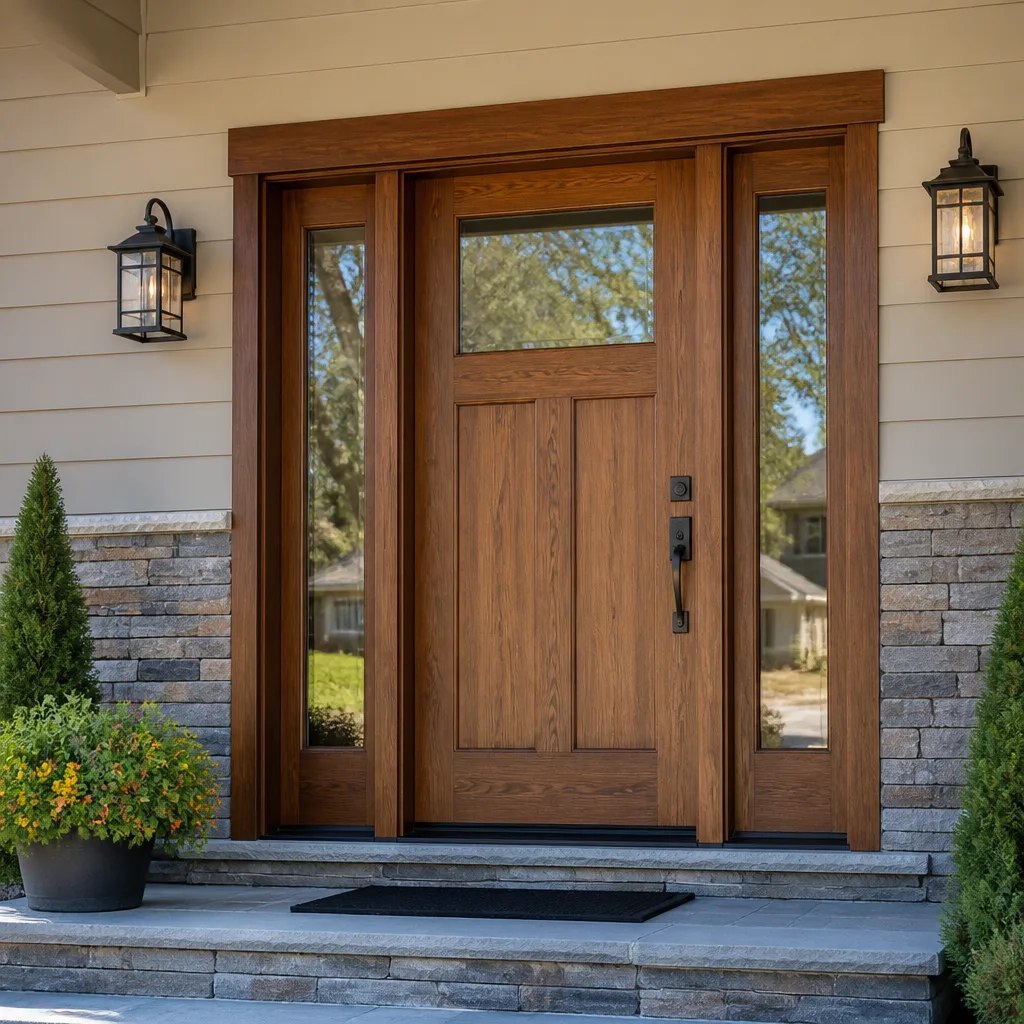 Entry doors
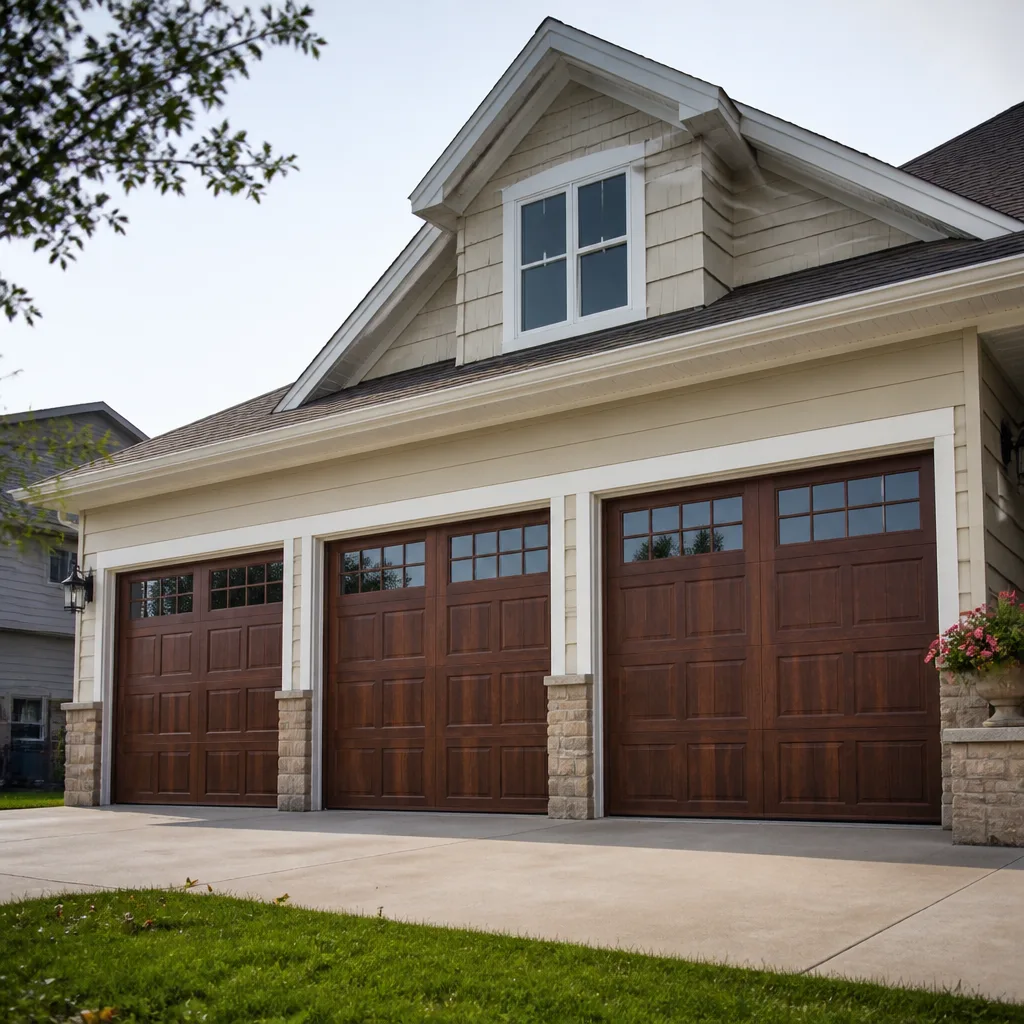 Impact garage doors
 PGT
 CGI
Free in-home measure and quote - PGT, CGI and CWS impact lines compared on your actual openings, style by style
Get your free estimateThe Complete Window Replacement Guide for Elk Grove Homeowners
Here’s a fact most window guides skip: a Low-E coating tuned for Seattle’s cloudy climate can trap heat inside an Elk Grove home in July. Glass that performs beautifully in a mild, overcast market is the wrong glass for 105°F afternoons and tule fog mornings. Replacement windows are not a national product category. They’re a climate decision. This guide treats your ZIP code as a spec sheet. You’ll learn how Solar Heat Gain Coefficient works in California climate zone 12, why frame expansion matters more here than almost anywhere, how to compare retrofit and full-frame installation, and how to read a performance label like a buyer instead of a bureaucrat.
Quick Answer
Window replacement in Elk Grove should be specified for the Central Valley, not for national averages. In practice that means prioritizing a lower Solar Heat Gain Coefficient for west- and south-facing glass, choosing a frame material and vinyl formulation rated for sustained triple-digit heat, and matching the installation method to the condition of your existing openings. The right window for your home starts with local climate data, and that’s the difference between a purchase that pays you back and one you tolerate.
Styles & brands we work with
- Single hung
- Double hung
- Horizontal roller
- Casement
- Bay & bow
- Sliding glass doors
- Entry doors
- Impact garage doors
- PGT
- CGI
Table of Contents
- Why Elk Grove’s Climate Changes the Window You Should Buy
- Reading SHGC in Climate Zone 12: What to Prioritize
- Frame Materials and Why Vinyl Expansion Matters Here
- How to Read a Window Performance Label Like a Buyer
- Retrofit vs. Full-Frame Replacement: Which Method Is Correct
- Why Brand Breadth Beats a Single-Brand Installer
- Doors Are Part of the Envelope Too
- How a Replacement Project Actually Runs
Why Elk Grove’s Climate Changes the Window You Should Buy
Elk Grove sits in California climate zone 12, a designation that describes the interior Central Valley rather than the coast. What that means in plain terms: summers with prolonged stretches at or above 100°F, winters that are genuinely mild, and spring and fall afternoons with temperature swings of dozens of degrees between morning and evening. It’s a wide-swing climate, and windows take the full force of that swing on every exposure facing the sky.
The solar load is the most underrated factor. Western and southwestern glass in an Elk Grove home absorbs direct sun through the hottest part of the day, when interior heat gain is least welcome. A window package optimized for a cloudy market may use a solar-control layer tuned to preserve passive heating, which is sensible in a cold climate and counterproductive in ours. Here, solar gain control is the single most valuable property of the glass.
The mild winter matters too, but in the opposite direction. You’re not defending against deep cold, so an extremely low U-Factor is less critical than solar control. That reverses the priority order most buyers inherit from national buying guides.
In our experience working in Elk Grove, the homes that see the biggest comfort complaints after replacement are the ones where solar control was treated as an afterthought. The homeowner focused on the frame’s appearance and the brand name, and nobody asked the question that matters most here: how much solar heat does this glass let through?
- Prioritize solar control first. Heat gain through glass in summer and fall drives cooling bills more than winter heat loss in this climate.
- Look at exposure separately. West and south elevations carry a different load than north and east elevations on the same house.
- Ask what the coating is tuned for. A Low-E coating optimized for a cold climate behaves very differently from one tuned for solar control.
- Plan for the swing. Wide daily temperature changes are the reason frame and seal integrity matter more than they would in a stable climate.
This is why a window specification for an Elk Grove home should be assembled rather than selected off a rack. The same house has different needs on four sides, and a specialist who understands the local climate will walk the elevations with you before recommending anything.
Reading SHGC in Climate Zone 12: What to Prioritize
Solar Heat Gain Coefficient, or SHGC, is the fraction of solar heat that enters through a window. A lower SHGC means less solar heat gain. In Elk Grove’s climate zone, SHGC deserves more attention than the number most buyers ask about first.
Coastal California specs often run differently from ours. Coastal markets tend to favor moderate SHGC values because the ocean keeps temperatures steadier and summer cooling loads are lighter. Interiors in the Sacramento Valley need more aggressive solar control because the load is heavier and sustained across a long cooling season. A moderately tuned window in a coastal climate can be a workable choice. The same window in Elk Grove can leave a west-facing living room uncomfortable by mid-afternoon.
Two details make this practical:
- Exposure-specific decisions. The best window specification is not one number applied everywhere. West and south exposures usually benefit from stronger solar control than north and east exposures on the same house.
- Trade-offs with visible light. Very low SHGC values can reduce visible transmittance, which is why the right specification balances solar control against natural daylight rather than pushing one number to its extreme.
The building-energy-standards framework for California exists precisely because climate zones differ, and some cities and counties adopt their own amendments on top. If you’re replacing glass in a substantial number of openings, ask your city’s building department what documentation the inspector will want to see before the project starts. That’s a five-minute call that prevents a failed inspection later.
Windows and doors together form your home’s thermal envelope, so this question flows directly into the rest of the work. When you’re ready to move from spec sheets to a quote, see our window replacement page for how we scope a project. The takeaway is simple: in Elk Grove, solar control first, insulation second, aesthetics alongside both. The numbers on the label are a buyer’s tool, not a compliance formality.
Frame Materials and Why Vinyl Expansion Matters Here
Frames are exposed to the same summer heat as the glass, and they respond to it differently. All materials expand and contract as temperature changes; the working question is how much, and how well the frame and seal assembly manages that movement over many seasons. In the Central Valley’s wide-swing climate, that question carries more weight than in a stable, moderate climate.
Vinyl is the most common residential frame choice, and it’s a reasonable one, but not all vinyl formulations behave alike. Lightweight or low-grade formulations can struggle under sustained high heat, which is why the wall-thickness and formulation of the profile matter more here than in a cooler market. A frame that performs acceptably in a mild climate may show problems in ours once you stack repeated annual cycles of expansion and contraction.
Here’s what we look at when specifying a frame for an Elk Grove home:
- Profile formulation. Ask how the vinyl is made and rated. A heavier, better-formulated profile is less prone to heat-related deflection than a thinner one.
- Expansion allowance during installation. The installer must leave correct clearance for the frame to move. Over-tightening or packing a frame into an opening without allowance is a common source of long-term problems.
- Frame color and heat absorption. Darker frame colors absorb more heat. That does not rule them out, but it should inform the specification and the installation allowance.
- Reinforcement where the span is large. Wide openings carry more load. Reinforcement or a different frame approach may be the right call.
- Window hardware and weatherstripping. These are the parts that seal the frame to the sash, and they have to hold through the annual swing.
Doors deserve the same attention for the same reason. A frame that’s slightly underspecified for our climate is a frame you’ll revisit. Ask your installer how the materials are rated and what installation allowance they plan for the frame. It’s a question that separates an installer who understands this climate from one who repeats a national script. “Eight trusted brands, one installation team that knows them all” isn’t just about product choice; it’s about the expertise to fit the right formulation to the right opening.
How to Read a Window Performance Label Like a Buyer
Every replacement window carries a performance label, and most homeowners glance at the price and set the label aside. That label is the single most useful document in the purchase. Read it as a buyer, and you can compare products on properties that actually matter for your home.
The core metrics:
- U-Factor. The rate at which a window loses heat to the outside. Lower is better. In Elk Grove’s mild winters this matters less than solar control, but it still counts.
- SHGC (Solar Heat Gain Coefficient). The fraction of solar heat that enters. Lower means less summer heat gain. In climate zone 12, this is your headline number.
- VT (Visible Transmittance). The fraction of visible light that passes through. Higher means more daylight. Balance this against a low SHGC so you don’t darken a room in pursuit of solar control.
- AL (Air Leakage). Measured airflow through the assembly. Lower is better, and it’s an indicator of how well the product is assembled.
Use the label as a shopping tool by building a comparison for your actual openings. Write down the exposure for each window, decide whether that exposure needs stronger solar control or more daylight, and then compare candidate products on SHGC, U-Factor, VT and AL together. A product that looks best on one metric rarely wins on all four. The label tells you where the trade-offs sit, and that’s the whole point of reading it.
There’s a second document to ask for: the actual specification for the glass package. “Low-E” is a category, not a single product. Ask what the coating is tuned for, whether there’s a second coating or a gas fill, and how the glass package is finished. An installer who can answer those questions with specifics is showing you the kind of product knowledge a specialist should bring. When you compare your notes against a real quote, an window installation page that lays out the scope helps you line up what the numbers mean in practice.
Retrofit vs. Full-Frame Replacement: Which Method Is Correct
This is the decision most replacement guides reduce to “which is cheaper.” That framing misses the point. The right method depends on the condition of the existing opening, and choosing wrong means paying for a cosmetic fix that doesn’t address the real problem.
Retrofit (insert) installation sets the new window inside the existing frame. The exterior and interior trim typically stay in place, the work is faster, and there’s less disruption to finishes. It’s the right choice when the existing frame is sound, square and solidly attached, and when the mounting surface is clean.
Full-frame replacement removes the existing frame, sash and hardware down to the rough opening, then installs a complete new unit. It’s the right choice when the frame is rotted, the opening was never square, or the existing assembly can’t reliably hold a new unit. It also gives the installer a clean slate for flashing and sealing, which matters for long-term performance.
How to tell which one your opening needs:
- Inspect the frame honestly. Soft wood, visible rot or wobble at the corners points toward full-frame.
- Check for square and level. An out-of-square opening needs correcting, not a window inserted on top of it.
- Look at the sill and flashing. If the exterior seal is compromised, the opening needs to be evaluated as part of the project.
- Ask for a clearance and flashing plan. The installer should explain how the unit will be sealed and how water will shed.
- Compare total cost, not just unit cost. A cheaper insert on a failing frame usually costs more over time than a full-frame job done once.
Neither method is inherently “better.” The correct one is dictated by what’s behind the window you’re replacing. In our experience, the fastest way to a bad outcome is to choose the method before inspecting the opening. A specialist who works exclusively in windows and doors will inspect and then recommend, rather than the other way around. That’s why Elk Grove Window Replacement exists as a dedicated single-trade practice.
Why Brand Breadth Beats a Single-Brand Installer
Most windown installers carry one or two brands. That’s not a jab at any of them; it’s just how a lot of the market works, and a one-brand dealer can do excellent work. But a narrow product line narrows your options. If the only product you can choose has an SHGC or frame formulation that doesn’t fit a west-facing Elk Grove kitchen, you’re choosing the closest match from a shelf that doesn’t have your ideal product.
A specialist carrying multiple brands has a different starting point: the product needs come first, and the brand that best meets them follows. That’s the logic behind our eight-brand portfolio. We supply and install products from PGT, CGI, CWS, ES Windows, ECO Window Systems, Mr-Glass, Therma-Tru and ViewLux. That range spans impact-rated products built for high-wind performance through PGT and CGI, energy-focused lines through ECO Window Systems and ES Windows, and entry doors through Therma-Tru, one of the most trusted names in residential doors.
Three practical advantages:
- Exposure-to-product matching. Different elevations, framing conditions and budget tiers can each get the product best suited to them, rather than one product line stretched across the whole house.
- Better trade-offs. When solar control, daylight, frame strength and cost all matter, more options means a specification can satisfy more of them at once.
- Honest recommendations. A specialist who carries one brand cannot fairly compare it to another. A specialist who carries several can tell you which product fits your home, which is the only recommendation worth hearing.
The right window for your home, not the only brand we carry. When you review a quote, ask which brands the installer offers and why they recommended the one they did. A specialist with real breadth can answer that question from the products, not from a sales target. Our door replacement work follows the same principle: choose the product for the opening and the climate, then install it correctly.
Doors Are Part of the Envelope Too
You can’t treat a home’s thermal envelope as a windows-only project. Entry doors, sliding doors and patio openings share the same exposure to Elks Grove’s summer sun and the same annual temperature swing. A home with well-specified replacement windows and a drafty, heat-absorbing entry door still has an envelope problem.
Doors have their own specification layer. The same thermal properties apply: U-Factor for heat loss, solar control for glass panels in the door, and air infiltration for the frame and weatherstripping. Entry doors with large glass panels need the same solar-control attention as a west-facing window. Sliding doors, with their larger glazed area, carry an even stronger solar load and deserve careful specification.
Frame and installation details matter just as much. The door frame has to handle expansion and contraction, and the seal has to hold through the annual swing. Hardware and weatherstripping wear faster in a hot, high-solar environment. Specifying these correctly at purchase prevents the cycle of adjusting and resealing that follows a poorly specified installation. Door replacement is squarely within our specialty, which is why we handle entry doors through Therma-Tru alongside sliding door replacement. We specialize in windows and doors. That’s it. That’s everything. From sliding doors to entry doors, every opening in your home is our specialty.
How a Replacement Project Actually Runs
The best way to make a confident decision is to understand the sequence. A well-run replacement project follows a predictable pattern, and knowing it in advance helps you evaluate every quote you receive.
- Consultation and measurement. We walk the home with you, note the exposure of each opening, and take measurements. The best window specification is built from the real conditions of your home, not from a catalog.
- Product recommendation. We match products to exposures and openings, then explain the trade-offs in the performance numbers so you can compare them.
- Written estimate. You receive a clear scope of work, so you know what’s included and what the job entails. Ask for a line-item quote and review the specification for each opening.
- Permits where required. Some jurisdictions require permits and specific documentation for replacement windows. We can tell you what your city’s building department typically wants, and the local pro is licensed and insured as their state requires.
- Installation. The method (retrofit or full-frame) is chosen before work begins based on the condition of each opening. Installation allowance, flashing and sealing are part of the plan, not afterthoughts.
- Inspection and walkthrough. We review the completed work with you and confirm the finished openings meet the agreed specification.
For a planned construction project, we don’t promise same-day completion, and nobody should. Replacement work on a whole home is a multi-phase project. What we do promise is that the scope, the products and the price are clear before the first window comes out.
Plan for the season. Summer is the obvious window to schedule around, but the fall days are often the more comfortable time to open a home to the outside. The right scheduling question is “when is the work best done for this house,” not “how fast can someone start.” The right window for your home is the one that gets specified correctly, installed correctly and sealed correctly the first time. That is the whole of the guide in a single sentence.
Common Mistakes to Avoid
- Buying on U-Factor alone. In climate zone 12, solar control (SHGC) matters more than in colder markets, and chasing an extremely low U-Factor can leave you with glass that doesn’t manage summer heat well.
- Copying a coastal specification. The best-performing window in a coastal California home is not automatically the best-performing window in Elk Grove. Ask how the recommendation accounts for the difference.
- Choosing installation method before inspecting the opening. Retrofit and full-frame are not interchangeable tiers. If the frame is soft, out of square or compromised, an insert hides the problem rather than solving it.
- Ignoring the exposure of each opening. A house in Elk Grove with four different exposures has four different solar loads. One product line for the whole house is a missed opportunity, not a simplification.
- Skipping the frame formulation question. Vinyl is not a single material. Ask about the profile and its suitability for sustained high heat before you commit.
- Leaving doors out of the envelope plan. A well-specified window package in a home with a heat-absorbing entry door still has a thermal weak spot at the main entry.
- Letting the brand decide before the performance does. A specialist carrying one brand can only recommend that brand. Compare at least two products on their actual performance numbers before you sign.
See the difference
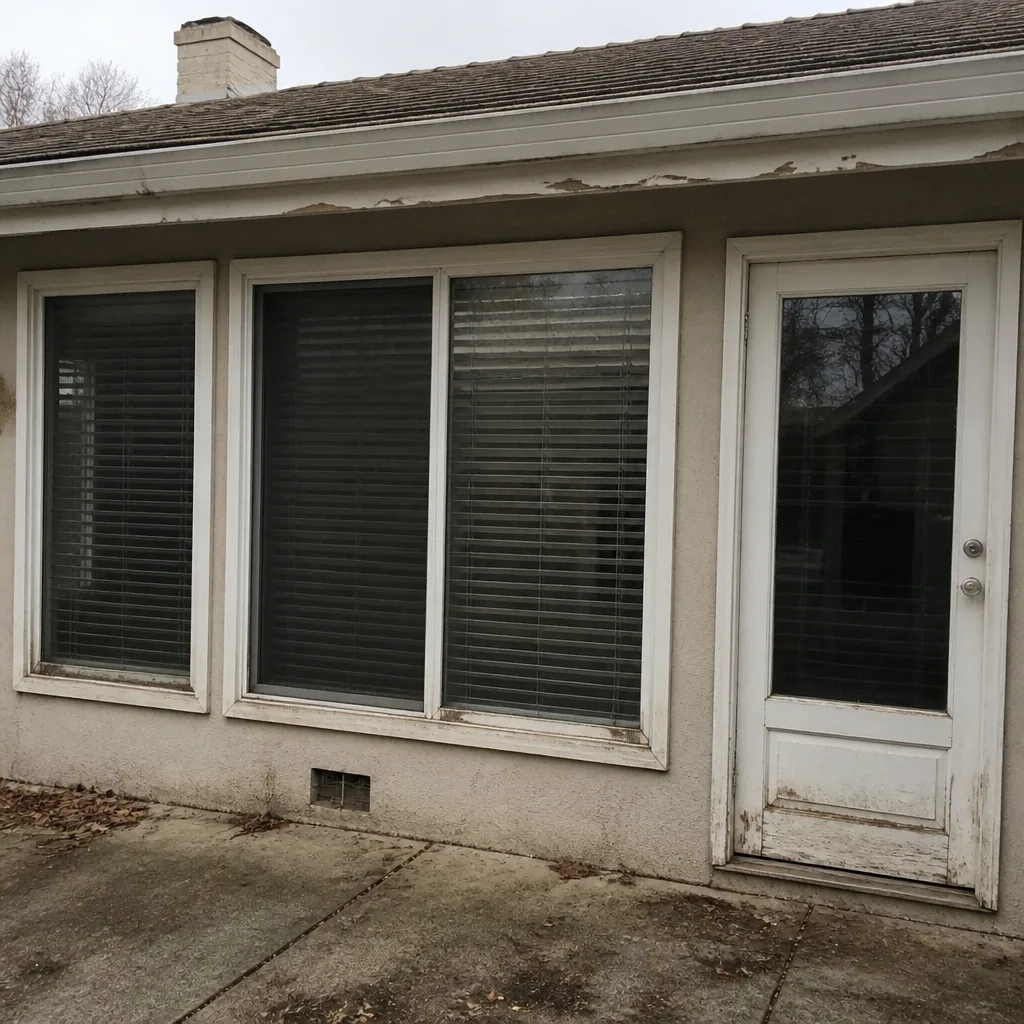 Before
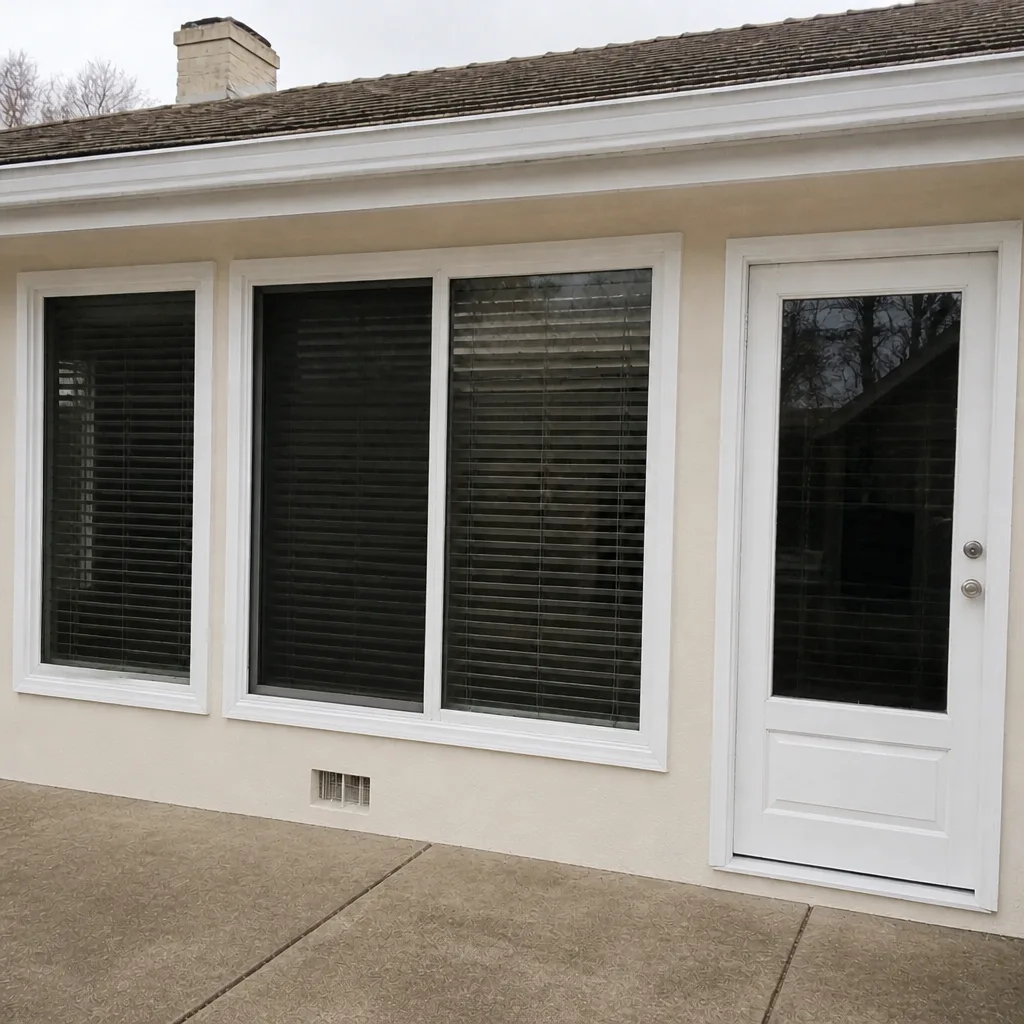 After
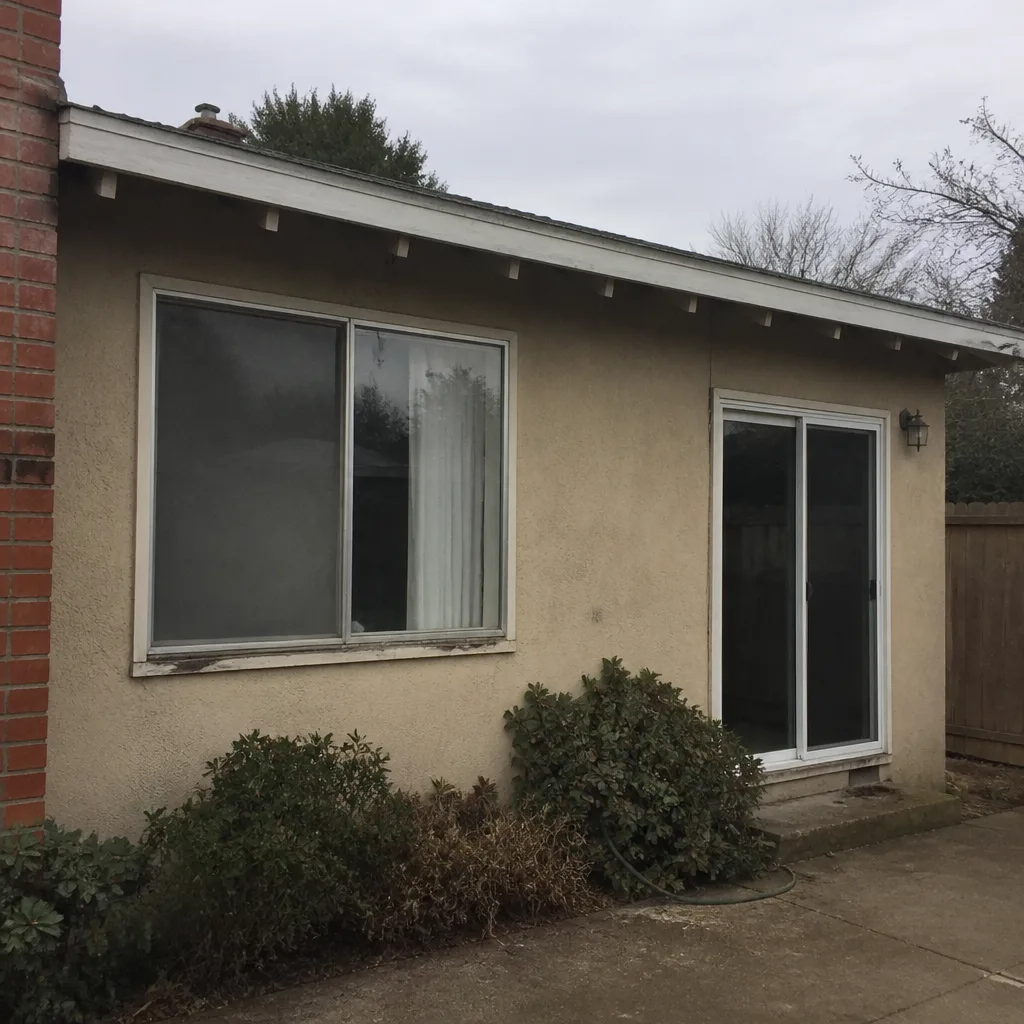 Before
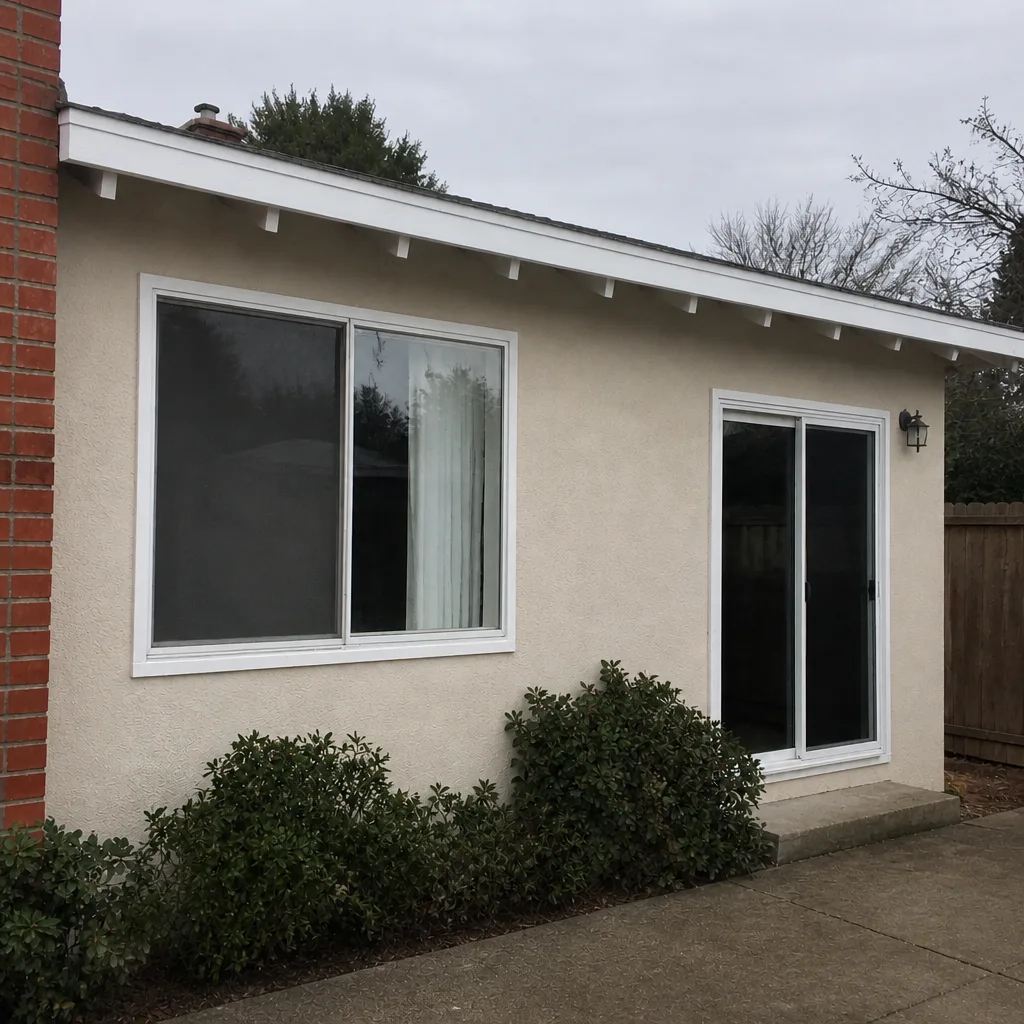 After
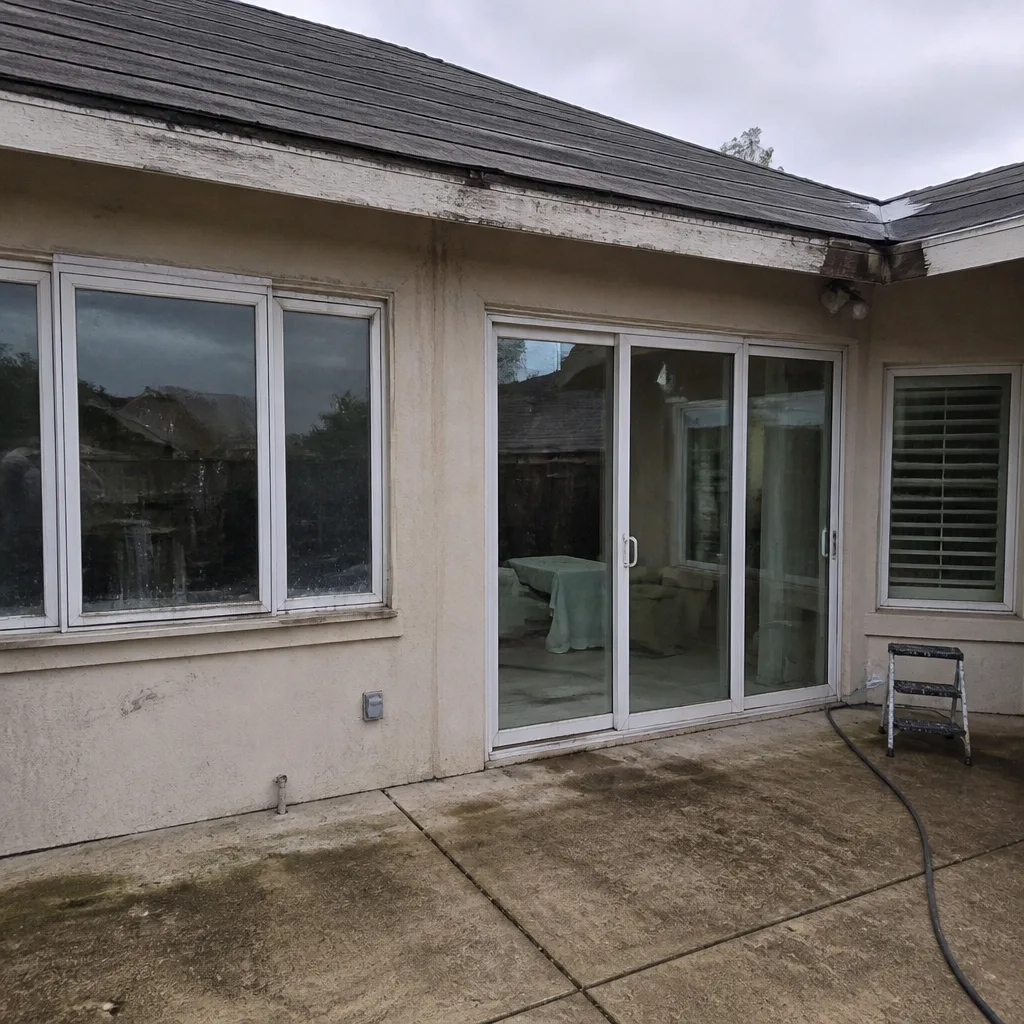 Before
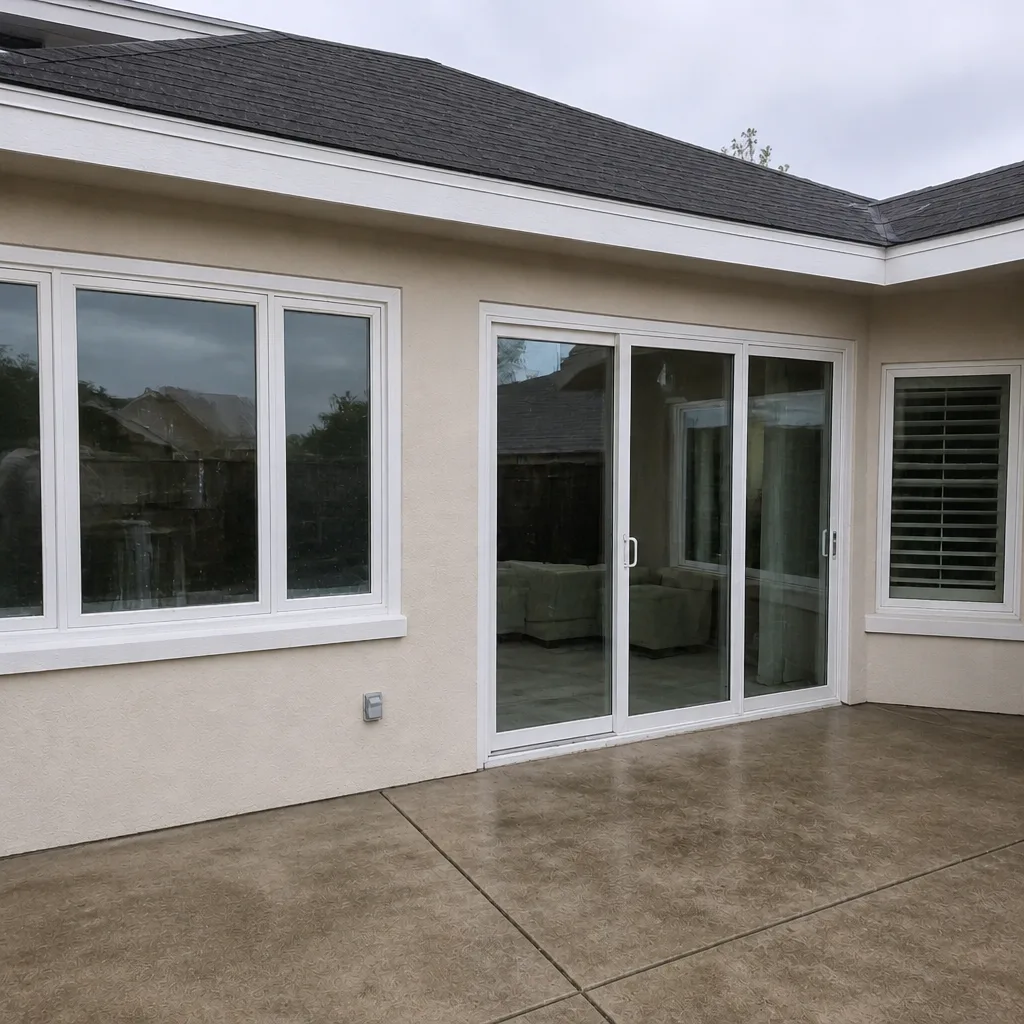 After
When to Call a Professional
Some window questions are answered over the phone. Others need an inspection. Call a professional when you’re seeing draft or visible light around the frame in summer or winter, when the frame feels soft or flexes, when a window won’t open or close cleanly, when condensation forms between the panes, or when a large opening has begun to sag. Each of those is a sign that the opening needs more than a cosmetic fix. It’s also worth calling when you’re comparing quotes and can’t tell why one specification differs from another; a specialist can read the numbers with you. Elk Grove Window Replacement offers free estimates in Elk Grove. Call (279) 333-8498. Our technicians have up to 13 years of experience. We take replacement and installation projects of three openings or more.
Frequently Asked Questions
Solar heat gain control is the priority for most Elk Grove homes. In climate zone 12, lower SHGC values on west- and south-facing glass reduce the summer heat load more effectively than chasing a lower U-Factor. Call (279) 333-8498 for a free estimate and we’ll walk through the numbers for your exposures.
A lower SHGC means less solar heat enters, and in Elk Grove’s hot summers that’s the property to weight most heavily. The exact number depends on the exposure and how much daylight you want to keep. Call (279) 333-8498 to discuss what fits your home.
No. Retrofit is the correct method when the existing frame is sound, square and solidly attached; full-frame replacement is the correct method when the frame is compromised or the opening isn’t square. The choice should follow an inspection, not a price comparison. Call (279) 333-8498 to have your openings inspected before the method is chosen.
Some jurisdictions require a permit and specific documentation for replacement windows, and requirements can vary by city. Ask your city’s building department what it requires for your address. We can talk through what the inspection process typically involves. Call (279) 333-8498 with questions.
Brand breadth is a selection advantage: a specialist carrying several brands can match the product to each opening instead of fitting your openings to one product line. Our portfolio spans brands such as PGT, CGI, CWS and ES Windows. Call (279) 333-8498 to discuss which product fits your home.
We take window and door replacement or installation projects of three openings or more. Smaller projects are better handled by a general handyman or single-opening installer. Call (279) 333-8498 to confirm whether your project qualifies.
The Bottom Line
Window replacement in Elk Grove is a climate-driven decision. Solar control leads, frame formulation matters more than national buying guides suggest, and the correct installation method is dictated by what’s behind the window you’re replacing. Read the performance label on every product you consider. Ask for the glass package specifics. Compare products on properties that matter here, not on averages from a different climate. And choose a specialist who carries real brand breadth and can recommend the product for your openings rather than whatever line they stock. We’re a dedicated window-and-doors specialist for Elk Grove, and our technicians have up to 13 years of experience. When you’re ready to spec your project, we’ll help you read the label, match the product and get a clear written scope.
Call (279) 333-8498 for a free estimate. If a door or window fails on a Saturday, we’re closed, but call and we’ll book you for Sunday.
Written by the team at Elk Grove Window Replacement.